
AI and Inflation: How Generative AI Rewrites Prices
How is Generative AI rewriting the price script? Explore AI’s impact on inflation, productivity, and monetary policy with real-world data and trends.
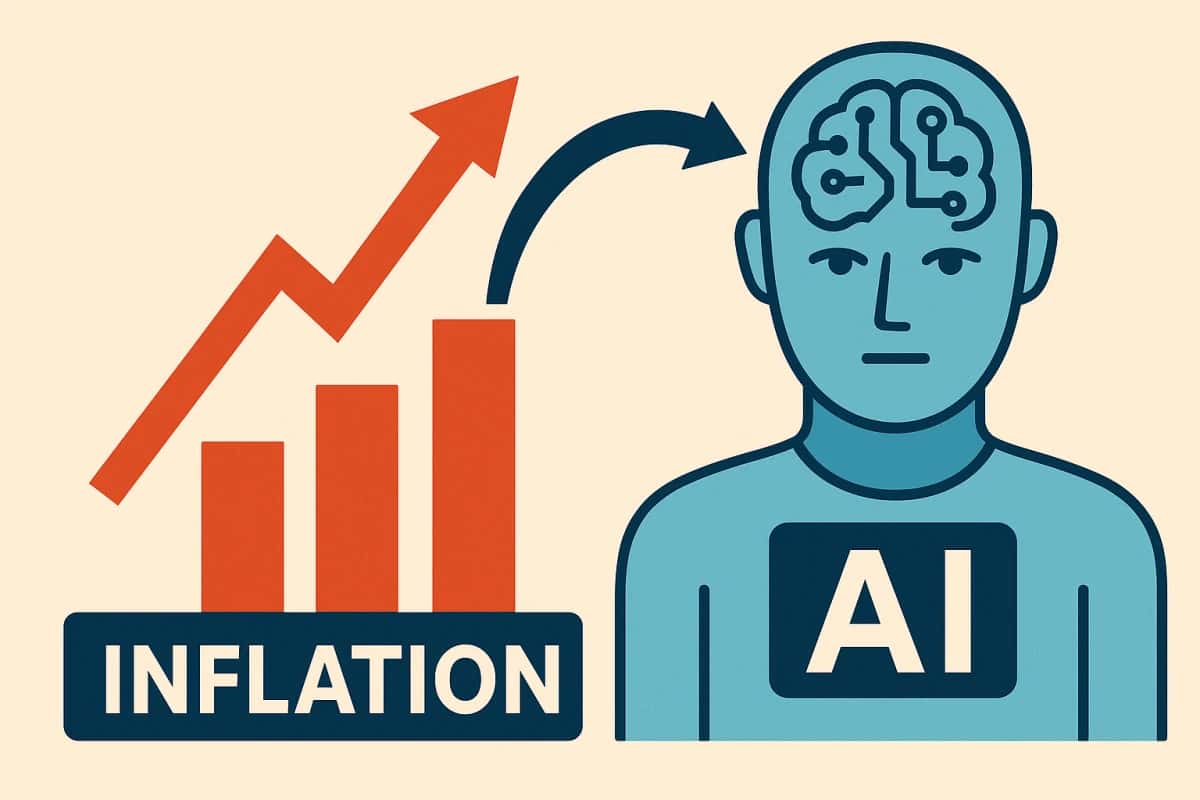
Table of contents
In 2025, Generative AI is no longer just a tech buzzword, it’s a global economic force. From the United States to India, from Germany to China, nations are seeing how AI is reshaping inflation, productivity, and price stability.
This article explores how Generative AI affects inflation, what it means for businesses and workers, and why economists are rethinking price stability in an AI-driven world.
🌟 How Generative AI Influences Inflation
Generative AI tools (like ChatGPT, Midjourney, and Copilot) are rapidly boosting efficiency across sectors:
- Lower labor costs → AI automates routine tasks (coding, content creation, customer service).
- Cheaper services → Businesses pass cost savings to consumers, slowing wage-push inflation.
- Faster product development → AI-driven design shortens time-to-market, increasing competition and keeping prices in check.
💡 Example: Big tech firms report AI productivity gains of 20 to 30%, translating to lower price pressures in tech services and digital goods.
📈 AI, Inflation, and Productivity Gains
Traditional inflation drivers (rising wages, supply chain bottlenecks, and energy costs) are being offset by AI-induced productivity booms.
✔ McKinsey (2024) predicts AI could add $4 trillion to annual global GDP by 2030.
✔ Goldman Sachs (2025) notes that AI could reduce inflation by up to 1.2% over the next 5 years as it boosts output.
Central banks, like the Federal Reserve and RBI, are grappling with this question:
➡ AI's deflationary force: Generative AI might lower inflation long-term, reducing the need for aggressive rate hikes.
➡ Short-term risks: AI adoption may create price volatility as industries restructure and workers reskill.
➡ Monetary policy rethink: Traditional tools may need adjusting to account for AI-driven productivity surges.
💬 "AI could be the most deflationary force we’ve ever seen.", Cathie Wood, ARK Invest
🚀 Industries Where AI is Rewriting the Price Script

🌍 Generative AI: The Global Deflationary Engine?
Across the world, Generative AI is transforming industries and shifting inflation dynamics:
✅ USA / EU:
- Generative AI helps firms slash labor costs and automate white-collar work.
- Sectors like finance, retail, and logistics are seeing AI-driven deflation (lower service costs, faster delivery, lower admin overhead).
✅ China:
- Massive state investment in AI leads to productivity surges, keeping export prices competitive and global goods inflation low.
✅ India & Southeast Asia:
- AI adoption in BPOs, IT services, and education tech → lowers service export costs, boosts global competitiveness.
✅ Africa / Latin America:
- Early AI adoption in agriculture, mining, and healthcare is cutting supply chain costs, which could help tame local inflation.
🧐 Challenges: Is AI a Cure-All for Inflation?
While AI deflation is real, several challenges temper its full effect:
- AI-driven inequality → May lead to higher luxury demand, creating price pressures in select sectors.
- Transition costs → Reskilling, tech investments could raise short-term costs.
- Energy demand → AI data centers are energy-hungry, potentially fueling energy price inflation.
💡 Conclusion: Generative AI, Friend or Foe to Inflation?
Generative AI is reshaping how economists think about inflation. While it promises lower costs and greater efficiency, its disruptive force means price dynamics are entering uncharted territory.
👉 Final thought: The key will be balancing AI's deflationary benefits against its short-term disruptions, ensuring that technology-driven growth doesn’t leave workers or sectors behind.
Written by
Marcus Vance
Business & Money
Writes on business and personal finance for Quick Trend Insights, translating markets, rates, and company strategy into what it costs or saves a household.
Related Articles
View all
The 401(k) Catch-Up Rule That Hits $150K Earners
The 401(k) catch-up rule now forces Roth contributions for higher earners. See exactly who it hits, what losing the deduction costs, and if it matters.

Buy Now Pay Later Is Hiding in Your Credit Report
Buy now pay later rarely helps your credit score and can quietly hurt it. Here is what BNPL does to your report, and the debt data behind the trend now.

Why Your Car Insurance Went Up Without a Claim
Your car insurance went up with no claim and no ticket. Here is what actually drives the increase, and which levers still lower what you pay each year.