
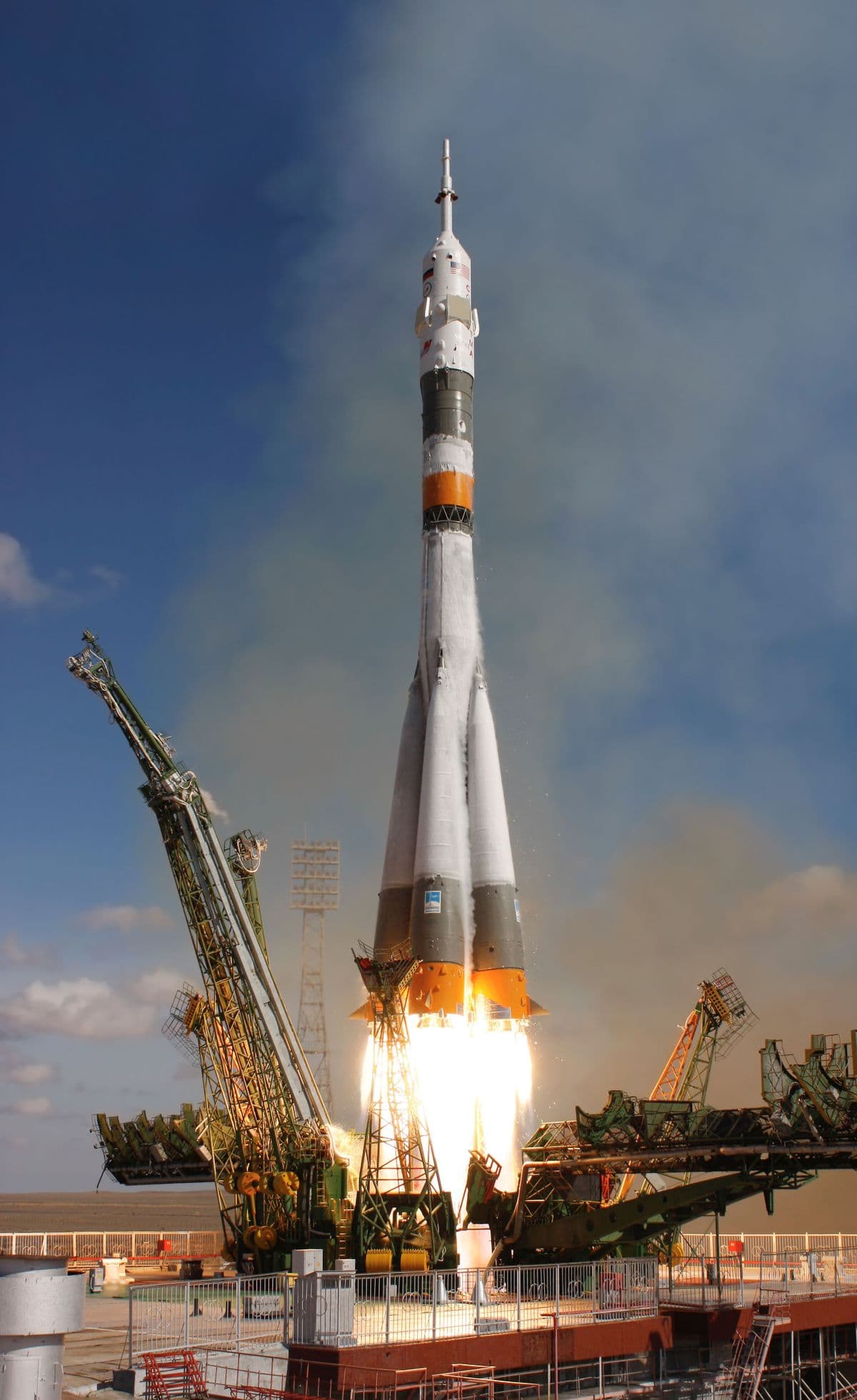
Space used to be the exclusive playground of governments and a handful of aerospace giants. Today, it is one of the hottest investment themes on the planet — and for the first time, ordinary investors can get a piece of it.
Falling launch costs, a satellite boom, and blockbuster listings have turned the "final frontier" into a very real financial opportunity. But between the hype and the genuine potential lies a capital-intensive, high-risk industry that demands a clear head.
Here is a grounded guide to the space economy: how big it really is, how to invest, and what to watch out for.
Key Takeaways
- The space economy is worth around $626 billion and is projected to surpass $1 trillion within a couple of decades.
- Commercial activity now makes up roughly 78% of the total — this is no longer just government spending.
- Investors can access it through launch providers, satellite operators, defense primes, and ETFs.
- It is capital-intensive and volatile — treat it as a long-term, diversified bet.
How Big Is the Space Economy, Really?
The numbers are eye-opening. The global space economy is currently valued at roughly $626 billion, and major institutions project it will blow past $1 trillion in the coming decades. Some forecasts see it tripling from earlier levels within a single generation.
What is striking is the shift in who drives it. Commercial activity — not government budgets — now accounts for about 78% of the total. That means private companies selling real products and services, from satellite internet to Earth imaging.
What Is Fueling the Boom?
So what turned space from a cost center into a growth engine? Several catalysts are converging.
Plummeting Launch Costs
Reusable rockets have slashed the price of reaching orbit. As next-generation heavy-lift vehicles come online, launch costs could fall further still — a tailwind for every business that depends on getting hardware into space.
The Satellite Explosion
Thousands of satellites are being launched to deliver internet, imaging, and even direct-to-phone connectivity. The direct-to-device market alone — beaming signals straight to ordinary smartphones — is a multi-billion-dollar opportunity in its infancy.
Geopolitics and Defense
Rising global tensions are pushing governments to spend more on space for defense, surveillance, and communications. That government demand provides a steady revenue base beneath the commercial boom.
How Everyday Investors Can Get Exposure
Here is where it gets practical. You do not need to build a rocket to invest in space. There are several routes, ranging from conservative to speculative.
- Defense primes. Established contractors like Lockheed Martin, L3Harris, and Leidos offer space exposure with the stability of large, diversified businesses.
- Pure-play space companies. Newer names such as Rocket Lab and AST SpaceMobile are riskier but offer direct exposure to launch and satellite growth.
- The SpaceX effect. The largest player recently went public in a landmark listing — part of the broader AI and tech IPO wave reshaping the market.
- Space-themed ETFs. For instant diversification, exchange-traded funds bundle dozens of space stocks into a single holding.
If you are just getting started, pair this with the fundamentals in our beginner's guide to investing. For a deeper institutional view, Morgan Stanley's research on investing in space is a useful, authoritative read.
The Risks You Cannot Ignore
But before you blast off, understand the turbulence. The space sector carries risks that are steeper than most.
It is capital-intensive. Building rockets and satellites burns enormous cash, and many companies are years from consistent profit.
The customer base is small. Many space businesses rely heavily on a handful of government contracts, making revenue lumpy and vulnerable to budget shifts.
The technology is unforgiving. A single failed launch or malfunctioning satellite can erase huge value overnight.
Valuations can run hot. As with any hyped theme, prices can detach from fundamentals — the same danger investors face during a crypto crash.
A Sensible Way to Invest
So how do you participate without gambling? Discipline is everything.
Treat space as a long-term, high-growth slice of a diversified portfolio — not your core holding. Favor ETFs or established players for stability, and keep speculative pure-plays to a small percentage. This mirrors the broader principle of building multiple income streams rather than betting everything on one theme.
What to Watch Next in the Space Race
The space economy moves fast, and a few developments will shape how the investment story unfolds from here. Keeping an eye on them helps you separate durable trends from short-lived hype.
- Next-generation heavy-lift launches. Successful debuts of larger reusable rockets could slash costs again, lifting the entire industry.
- Direct-to-device connectivity. Watch whether satellite-to-smartphone service moves from pilot projects to mass-market reality.
- Government budgets. Defense and space-agency spending sets the revenue floor for many companies — track it closely.
- New public listings. More space firms going public will give investors fresh, directly tradable options.
For ongoing, credible coverage of these shifts, agencies like NASA's commercial space program publish updates on the partnerships driving the sector forward. The investors who do best here will be the ones who stay informed and patient rather than reactive.
Frequently Asked Questions
How big is the space economy?
The global space economy is currently valued at around $626 billion and is widely projected to surpass $1 trillion within the next couple of decades, driven largely by commercial activity.
How can a regular person invest in space?
You can invest through defense contractors with space divisions, pure-play space companies, space-themed ETFs, or newly public giants. ETFs offer the easiest diversified exposure for beginners.
Is investing in space risky?
Yes. The sector is capital-intensive, relies on a small customer base, and depends on complex technology where failures are costly. It should be a small, long-term part of a diversified portfolio.
What is driving the space economy's growth?
Falling launch costs from reusable rockets, a boom in satellites, direct-to-device connectivity, and rising government defense spending are the main catalysts.
Are space ETFs a good option for beginners?
They can be, because they spread your money across many companies, reducing the risk of any single failure. As always, research the fund's holdings and fees first.
The Bottom Line
The space economy has graduated from science fiction to serious investment theme, with a credible path toward becoming a trillion-dollar industry. For patient investors, it offers exposure to one of the most exciting frontiers of our time.
But the sky is not the limit on risk. Approach it with diversification, realistic expectations, and a long time horizon, and you can join the journey without betting your future on a single launch.
Disclaimer: This article is for informational purposes only and does not constitute financial advice. Always consult with a qualified financial advisor before making investment decisions. Past performance is not indicative of future results.