
El Nino Food Inflation: Why India's Grocery Bill Is Rising
El Nino food inflation pushed India's CPI to 6.09%. See how a weak monsoon becomes a higher grocery bill, what it costs your family, and what to watch next.
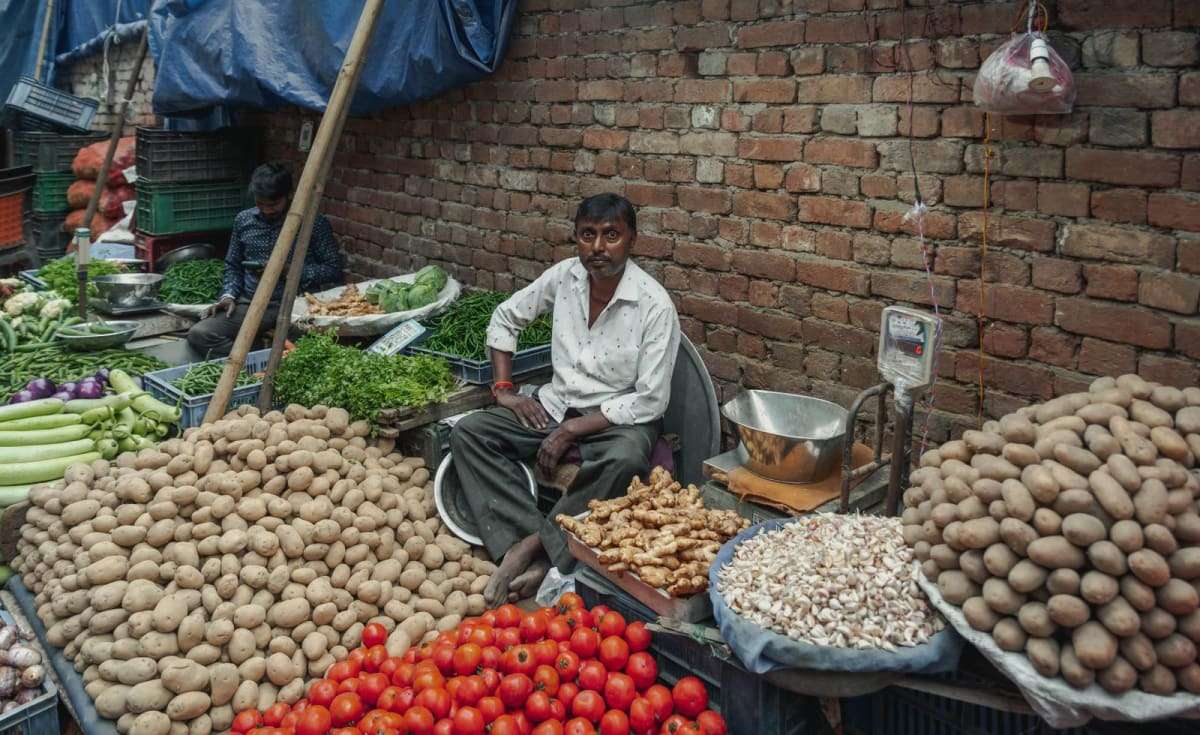
Table of contents
You buy the same vegetables every week from the same vendor, and this month the onions alone cost twice what they did last year. Garlic and ginger are up too. Your salary has not moved, but the kitchen budget keeps growing. The cause starts thousands of kilometres away in the Pacific Ocean, and economists call it El Nino food inflation.
India's retail inflation reached 6.09% in October, the government's data show, and food prices did most of the work. The hard part is the timing. The weather pattern behind it is still strengthening, and the crops it hurts next have not been harvested yet. This guide traces how a warm ocean turns into a higher grocery bill, works out what it costs a typical household, and shows what to watch over the next six months.
What October's Numbers Show About Food Inflation
The Ministry of Statistics and Programme Implementation (MoSPI) released October's figures on November 12, using the new CPI series with 2024 as its base year. Headline inflation rose to 6.09% from 5.54% in September, above the 6% upper limit of the Reserve Bank of India's target band.
- Food inflation: 8.94%, up from 7.74%. Rural food inflation was 9.09% and urban 8.68%.
- Biggest risers: onion up 116%, garlic up 61%, ginger up 48% and lemon up 47%.
- Biggest fallers: potato down 14%, cauliflower down 11%.
Now the key calculation. Food and beverages carry a 36.75% weight in the index and rose 8.51% as a group. Multiply the two and you get about 3.1 percentage points. Food alone supplied roughly half of the 6.09% headline. Everything else in the basket averaged under 5%.
How El Nino Food Inflation Works: The Chain
El Nino is a periodic warming of the eastern Pacific Ocean that shifts rainfall patterns around the world. For India, it usually means a weaker monsoon. That sets off a chain that runs for most of a year.
Step 1: a weak monsoon
The India Meteorological Department had warned in May of a below-normal season. It ended at about 87% of the long-period average, a 13% shortfall and one of the four weakest monsoons since 2001, Down To Earth and The Wire reported. Karnataka saw a 35% deficit, its worst in 55 years, according to Down To Earth.
Step 2: damaged summer crops
The monsoon waters the kharif crops sown in June and July, including rice, pulses and the main onion crop. Dry spells and delayed rain cut yields and pushed harvests back, which is why onion and other vegetable prices jumped first.
Step 3: less water for winter crops
Rabi crops such as wheat, chana and mustard are sown from October on stored water and soil moisture. With less stored water and soil moisture after the weak monsoon, rabi sowing was trailing last year's pace by more than 11%, The Straits Times reported in November.
Step 4: a warm winter
The US Climate Prediction Center says El Nino is still strengthening and a strong to very strong event is likely through January to March. A warm, dry winter is a risk for wheat, which needs cool weather as the grain fills.
A Worked Example: What It Costs Your Household
Take two families, each spending ₹40,000 a month. Apply October's numbers: food and beverages up 8.51%, and the rest of the basket up about 4.7% on average.
Family A spends 37% on food, close to the CPI average
- Food spending of about ₹14,700 rises by about ₹1,250 a month.
- Other spending of ₹25,300 rises by about ₹1,180.
- Total: about ₹2,430 more a month, or 6.1%.
Family B spends 50% on food
- Food spending of ₹20,000 rises by about ₹1,700.
- Other spending of ₹20,000 rises by about ₹940.
- Total: about ₹2,640 more a month, or 6.6%.
The family with the bigger food share faces higher inflation on the same income. That gap is why lower-income and rural households feel food inflation hardest, and why rural inflation (6.63%) ran well above urban (5.41%) in October. Our guide to working out your personal inflation rate shows how to run this for your own budget, and the inflation calculator projects what today's grocery bill costs a few years out.
Higher Prices Do Not Mean Richer Farmers
It is easy to assume that if onions cost twice as much, farmers earn twice as much. For many, the opposite is true. A farmer whose crop failed has nothing to sell at the higher price.
The damage is uneven. Andhra Pradesh declared 388 mandals across 21 of its 28 districts drought-affected for the kharif season, Down To Earth reported. At the national level, Agriculture Minister Shivraj Singh Chouhan said in late September there was "no major crisis," while acknowledging problems in some states, the same Down To Earth report noted.
That split matters for the wider economy. Weak farm incomes mean rural families cut back on clothes, two-wheelers and other purchases, which slows demand well beyond the vegetable market.
Why Rate Hikes Cannot Grow Onions
With inflation above 6%, the RBI faces pressure to raise rates at its December meeting, as our explainer on what crossing 6% means for EMIs and deposits covers. But higher interest rates do nothing to make it rain or to bring forward a harvest.
What rate hikes can do is stop food prices from spreading. If workers demand higher wages and businesses raise prices because they expect inflation to stay high, the problem becomes general. A rate rise is meant to cap those expectations. The cost is slower borrowing and growth, so the central bank has to judge whether the food spike will fade on its own.
The government has other tools. The Union Cabinet approved a ₹62,370 crore subsidy for phosphatic and potassic fertilisers for the rabi season in November, about ₹24,418 crore more than a year earlier, according to the public broadcasters DD News and All India Radio. Cheaper inputs help farmers sow despite the dry conditions.
What to Watch Over the Next Six Months
- November CPI, due December 14. MoSPI has scheduled the next release for that date. Watch whether onion and vegetable prices start to ease as late harvests arrive.
- Rabi sowing reports. If the gap with last year narrows by late December, the wheat crop risk falls.
- Winter temperatures. A warm February and March is the main threat to wheat yields.
- The El Nino forecast. The Climate Prediction Center updates monthly. A fade by spring would improve the outlook for next year's monsoon.
- Milk, eggs and poultry. These follow feed costs with a lag, so they can keep rising after vegetables cool.
For your own budget, the most useful step is to shift spending toward items that are falling, such as potato and cauliflower in October, and to buy staples like pulses when prices dip rather than in a panic later.
Frequently Asked Questions
How does El Nino affect food prices in India?
El Nino usually weakens the monsoon, which cuts output of summer crops such as rice, pulses and onion. It can also leave less water for winter crops and bring a warmer winter that hurts wheat, keeping prices high for months.
What is India's food inflation rate right now?
Food inflation measured by the Consumer Food Price Index was 8.94% in October, up from 7.74% in September, according to MoSPI. Headline retail inflation was 6.09%.
Why are onion prices so high?
Onion prices were 116% higher in October than a year earlier. A weak, delayed monsoon damaged and delayed the kharif onion crop, tightening supply until new harvests reach markets.
Will the RBI raise rates because of food inflation?
A hike at the December policy meeting is widely discussed because inflation is above 6%. Rate rises cannot fix crop shortages, but the RBI uses them to stop high food prices from feeding into wages and other prices.
The Weather Sets the Bill, Your Budget Sets the Damage
El Nino food inflation works through a slow chain: a weak monsoon, smaller summer harvests, thinner reservoirs and now a risky winter crop. October's 6.09% headline was half food, and households that spend more on food are paying an even higher rate.
You cannot change the weather. You can track the next few data releases, shift purchases toward what is getting cheaper, and plan your monthly budget around a food bill that may stay high into spring.
Disclaimer: This article is for informational purposes only and does not constitute financial advice. Always consult with a qualified financial advisor before making investment decisions. Past performance is not indicative of future results.
Written by
Marcus Vance
Business & Money
Writes on business and personal finance for Quick Trend Insights, translating markets, rates, and company strategy into what it costs or saves a household.
Related Articles
View all
Monetary Policy Transmission: Why RBI Hikes Take Months
Monetary policy transmission explained with RBI data: why loans reprice within a quarter, deposits wait for maturity, and inflation lags a year or more.
Gas Standing Charges Scrapped: Who Pays More
Gas standing charges are set to move into unit rates. Using Ofgem's new usage figures, see the break-even point and why heavy users could pay £24 to £51 more.
Fed Dot Plot: How to Read the Rate Forecast
The Fed dot plot returns December 9. Learn to read it with September's real dots, see how one official can move the median, and why its forecasts often miss.