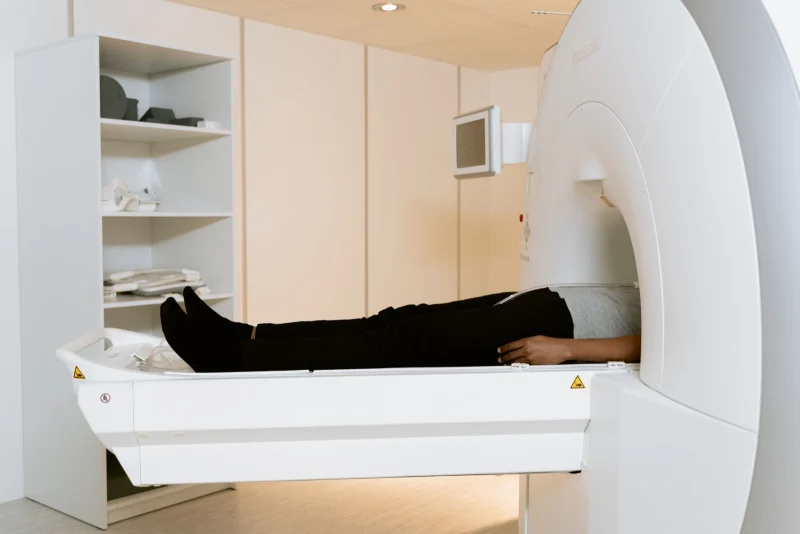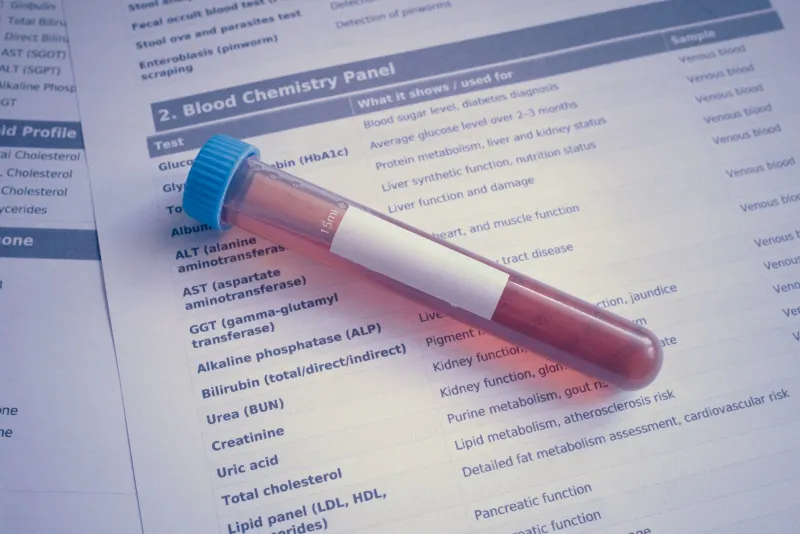
CTE Blood Test: What the New Studies Actually Show
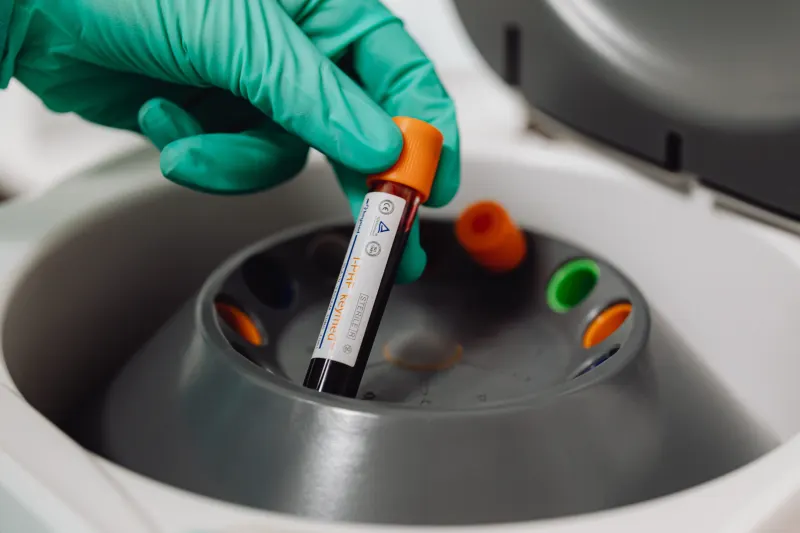
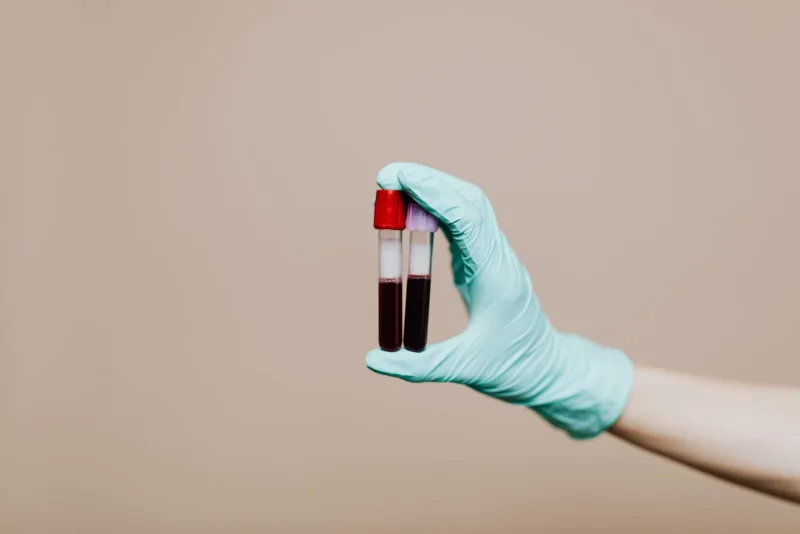
A CTE blood test may one day diagnose the disease in living people. What two new JAMA studies found, their accuracy limits, and who the test could matter for.
Real wellness is built on understanding, not hype. Our health articles translate the latest science into practical habits for a better life.

A CTE blood test may one day diagnose the disease in living people. What two new JAMA studies found, their accuracy limits, and who the test could matter for.

A coronary calcium score can settle whether you need a statin. See what the CorCal trial found, what the scan costs, and who should skip the CAC test.

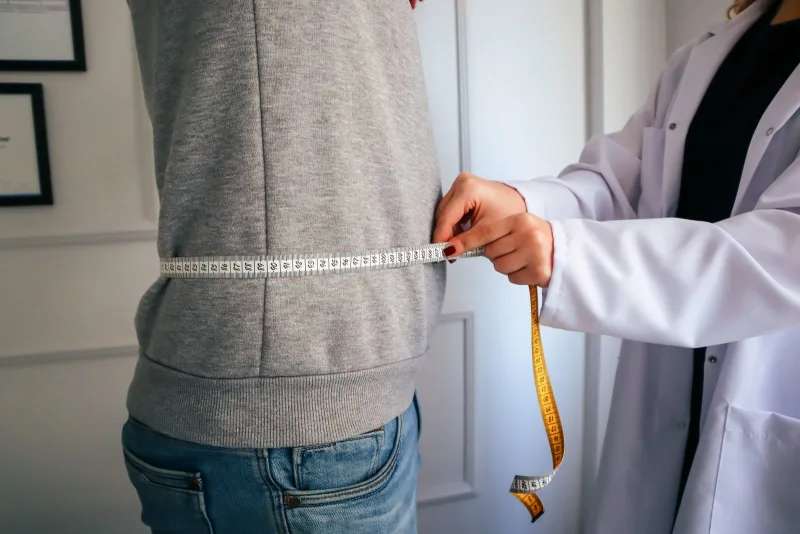
Clinical obesity is a new way to diagnose obesity beyond BMI. See what a study of 844,108 adults found and how to check your own waist and BMI numbers.

How long is norovirus contagious? Up to two weeks after you feel better. Learn why hand sanitizer fails and the CDC bleach mix that actually stops the spread.

The US lost measles elimination status. See if you need an MMR booster for adults, why 1963 to 1967 shots may not count, and when the CDC advises two doses.

A drug cut Lp(a) 78% yet heart attacks did not fall. Here is what the Lp(a) test still tells you, how to read your result, and what to do if it comes back high.

Energy drinks and heart risk: FDA reports show cardiac arrest 11 times more often with stimulant products. What that signal means and how to count caffeine.

A new JAMA trial found a blood pressure combination pill strategy doubled control rates. What it means for your pills, your copay and your next checkup.

New prostate cancer screening advice: a PSA test every two years from 50, yearly from 45 for higher-risk men. What a high result means and what it costs you.

Undiagnosed diabetes affects 252 million adults, often with no symptoms. See who should get screened, what A1C and glucose numbers mean, and how to get tested.

Circadian depression is a proposed body clock subtype seen in 23% of people with depression. Learn the six signs, how to check your sleep, and what to ask.

The FDA approved asundexian, a new stroke prevention pill. See what the trial showed, who it suits, the bleeding fine print, the cost and what to ask a doctor.

Stopping statins after 70? A new trial of 1,880 older adults found it safe for two years, but heart attacks and strokes rose later. What to ask your doctor.

Type 2 diabetes remission reached 54% of adults under 45 in a new diet and exercise trial. What remission means, the weight target, and who needs supervision.

A study of 87,577 adults linked daylight and dementia risk: averaging over 1,000 lux by day meant 16% lower risk. See how much light your office day gets.

Artificial sweeteners and memory: a study of 12,772 adults tied the highest intake to 62% faster decline. See what one diet soda a day means and what to swap.

Which flu shot should you get? The quick answer by age, the real trial numbers behind the new mRNA vaccine, and what adults over 65 should ask for by name.

Daylight saving time ends November 1. Use this four-day plan to reset your body clock, and see what permanent daylight saving time would do to your mornings.

How much protein do you need? Three numbers set your target, and the cheapest gram at the supermarket costs eight times less than the most expensive one.

Strength training for 90 to 120 minutes a week was linked to 13% lower risk of early death. Here is the dose, where it stops, and how to build up to it.

Fitness trackers average 67% accuracy. Heart rate holds up, calorie burn does not. Here is which numbers to trust and which one quietly costs you most.

Insufficient sleep ranks second only to smoking as a behavioural predictor of a shorter life, ahead of diet and exercise. Here is what that research found.

MRI scans of 615 adults linked ultra-processed food to fat inside muscle, even after adjusting for calories. Here is what that means and what it does not.

GLP-1 list prices run past $1,300 a month, but almost nobody pays that. Here are the four payment paths and what each one really costs over a full year.

Biological age tests promise to reveal how fast you're aging. Here's how they actually work and where the science does (and doesn't) hold up.

Longevity supplements are everywhere, but which ones are backed by science? Here is an honest look at NMN, creatine, and the stack worth your money.

The first oral GLP-1 weight-loss pill is now available, ending the needle era. Here is how it works, how well it works, and what to know before trying it.

Poor sleep is silently sabotaging your health, productivity, and mood. Learn the science-backed strategies for optimizing your sleep quality and waking up feeling truly rested.