
Norovirus: How Long You're Contagious and How to Stop It
How long is norovirus contagious? Up to two weeks after you feel better. Learn why hand sanitizer fails and the CDC bleach mix that actually stops the spread.
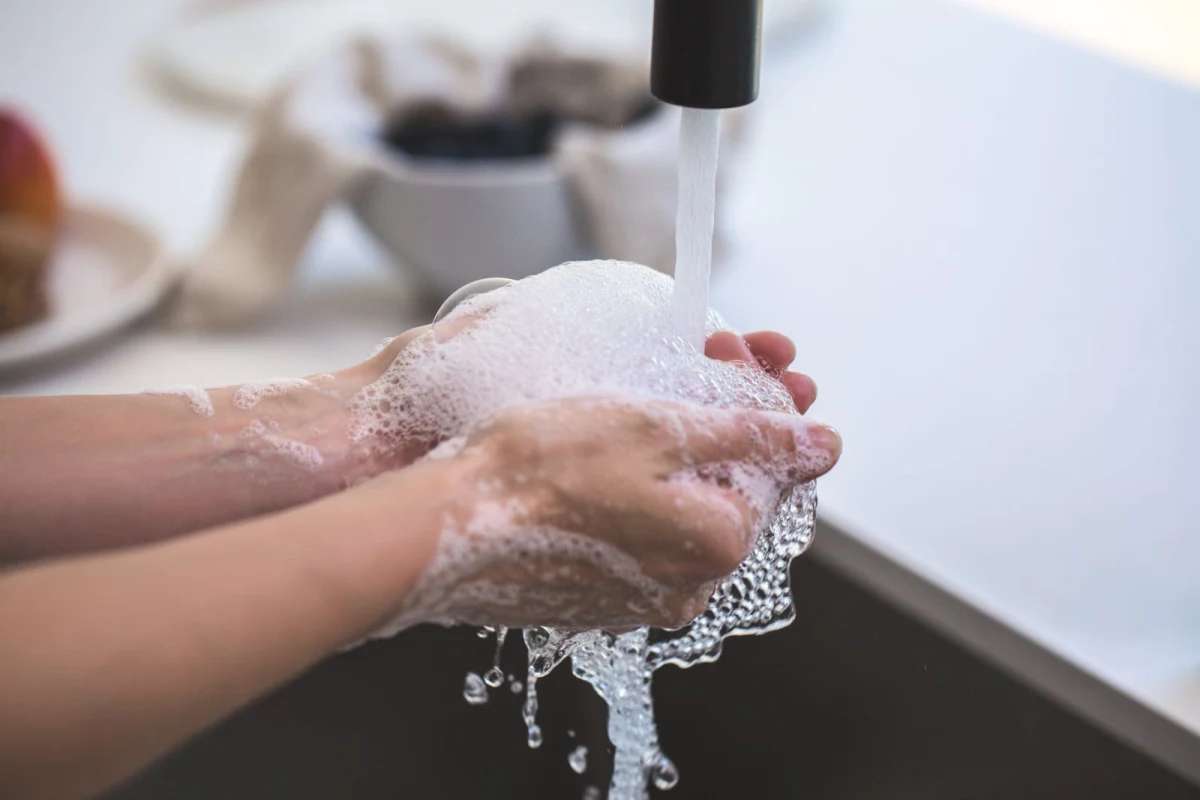
Table of contents
It is 2 a.m., three days before a family dinner, and your nine-year-old is throwing up. By morning your partner feels queasy too. You scrub the bathroom, pump hand sanitizer at every doorway, and start doing the math: how long is norovirus contagious, and is the holiday still on?
You are not alone in that kitchen. The CDC estimates norovirus causes 19 to 21 million illnesses in the US every year, and most outbreaks land between November and April. The bad news is that two of the habits people trust most, hand sanitizer and a quick wipe with a household spray, barely touch this virus. The good news is that a few specific steps do.
Why Norovirus Spreads So Fast in Winter
Norovirus is the leading cause of vomiting and diarrhea from stomach bugs in the US, the CDC says. It accounts for 58% of foodborne illness, according to the CDC, and about 2,500 outbreaks are reported each year. Cruise ships make the news, but nursing homes, schools, restaurants and family gatherings carry most of the load.
Three traits make it hard to stop. It spreads through close contact, contaminated food and dirty surfaces. It shrugs off heat that kills many germs, surviving temperatures as high as 145°F. And it comes in many types, so catching one strain does not protect you from the next.
Winter stacks the odds further. People crowd indoors, share serving spoons and travel to see relatives. If you are planning a trip, our breakdown of whether to drive or fly for Thanksgiving is a reminder that every plan has a cost, and a sick week is one of them.
How Long Is Norovirus Contagious?
This is the question that matters most, and the answer is longer than most people expect. The CDC describes three phases:
- Before symptoms. The virus can show up in vomit or stool before you feel sick. Symptoms usually start 12 to 48 hours after exposure.
- While sick. This is peak spreading. Most people recover within 1 to 3 days.
- After you feel better. The virus can stay in your stool for two weeks or more, and you can still pass it on during that time.
That third phase is where households get caught. Someone feels fine on day four, goes back to cooking, and the cycle restarts. The CDC's rule is simple: do not prepare food or care for others until at least 48 hours after symptoms stop. That matters most if you work in a restaurant, school, daycare or care home.
Symptoms to expect
The common ones are diarrhea, vomiting, nausea and stomach pain. Some people also get a fever, headache or body aches. There is no specific medicine that treats the virus itself, so care focuses on fluids and rest.
A Worked Example: Planning Around a Sick Week
Numbers make the timeline concrete. Say your child's symptoms start on a Monday at 8 p.m. and the last bout of vomiting or diarrhea happens on Wednesday at 8 a.m.
- 48-hour rule: Wednesday 8 a.m. plus 48 hours lands on Friday at 8 a.m. Before then, your child stays out of the kitchen and away from grandparents.
- Two-week shedding window: counting 14 days from Wednesday puts you near the Wednesday two weeks later. Careful handwashing after every bathroom trip should continue through then.
- Your own exposure: if you cleaned up on Monday night, symptoms could appear anywhere from Tuesday morning to Wednesday night, given the 12 to 48 hour range.
If the family dinner is on Saturday, the sick child is past the 48-hour line, but the people who nursed them may only just be in the clear. Assign the cooking to someone who was never in the sick room.
Why Hand Sanitizer Fails Against Norovirus
Most hand sanitizers rely on alcohol, which breaks the oily outer layer of many viruses. Norovirus has no such layer. The CDC says plainly that hand sanitizer does not work well against norovirus and should never replace handwashing.
What works is friction and running water. Wash with soap for at least 20 seconds, scrubbing the backs of your hands and under your nails. Do it after using the toilet or changing a diaper, and before eating, handling food, or giving anyone medicine. Sanitizer can be a bonus on top, not a stand-in.
A single bout of vomiting can contaminate far more of a room than you can see, so clean wider than the visible mess.
How to Clean Up After Norovirus
Ordinary kitchen sprays often are not rated for norovirus. The CDC recommends either a product registered by the EPA for norovirus or a chlorine bleach solution. Here is the bleach version, using the CDC's figures:
- Put on disposable gloves. Open a window if you can.
- Remove the mess first with paper towels and bag it right away.
- Mix bleach and water: 5 to 25 tablespoons of household bleach (5% to 8% strength) per gallon of water. The CDC puts this at 1,000 to 5,000 parts per million.
- Wet the area and leave it for at least 5 minutes before wiping. Pay attention to toilet handles, faucets, light switches and doorknobs.
- Wash your hands with soap and water after taking the gloves off.
Never mix bleach with ammonia or other cleaners, because the fumes are toxic. Test the solution on a hidden spot before using it on fabric or colored surfaces.
Laundry
Remove soiled sheets and clothes right away, wearing gloves, and do not shake them. The CDC says to wash with detergent and hot water on the longest cycle available, then machine dry on the highest heat setting.
Who Faces the Highest Risk and When to Get Help
For most healthy adults, norovirus is a miserable couple of days and nothing more. Put the CDC's figures side by side and the odds look like this: about 109,000 hospital stays out of roughly 20 million illnesses, or about 1 in 200 cases. About 900 people die each year, mostly adults aged 65 and older.
The people who struggle most are children under 5, older adults and anyone with a weakened immune system. Young children drive most of the 465,000 yearly emergency room visits. The danger is dehydration, and the CDC lists these warning signs:
- Peeing less than usual.
- A dry mouth and throat.
- Feeling dizzy when standing up.
- In children, crying with few or no tears, or being unusually sleepy or fussy.
If you see these signs, or vomiting means no fluids are staying down, call a clinician. Ask them which drinks or rehydration products fit your situation rather than guessing. Older relatives with other health conditions should check in early, since their margin is smaller.
Is There a Norovirus Vaccine?
Not yet. No norovirus vaccine is licensed, so the steps above are the only protection this winter. Moderna has the furthest along candidate, but in August the company said its late-stage trial did not meet the threshold for early success at a planned interim check, as CIDRAP and Fierce Biotech both reported. According to Endpoints News, company officials said too few infections had occurred among volunteers to judge the shot's effect yet.
Vaccines do help with the other winter bugs. If you are deciding on this season's shots, our guide on which flu shot to get covers the options. And if a stomach bug could wreck a booked trip, see when holiday travel insurance pays for illness.
Frequently Asked Questions
How long is norovirus contagious after symptoms stop?
The virus can stay in your stool for two weeks or more after you feel better, according to the CDC. You are most contagious while sick and in the first few days after. Wait at least 48 hours after symptoms end before preparing food or caring for others, and keep washing your hands carefully for the following two weeks.
Does hand sanitizer kill norovirus?
Not reliably. The CDC says hand sanitizer does not work well against norovirus. Washing with soap and running water for at least 20 seconds is the method that works, with sanitizer only as an extra step.
What kills norovirus on surfaces?
A chlorine bleach solution of 5 to 25 tablespoons of household bleach per gallon of water, left on for at least 5 minutes, or a disinfectant registered by the EPA for norovirus. Many everyday sprays are not rated for it.
Can you get norovirus twice in one season?
Yes. There are many types of norovirus, and an infection with one type may not protect you from another. Even protection against the same type may not last, according to the CDC.
Stay Ahead of the Stomach Bug
Norovirus spreads before symptoms start and keeps spreading after they end, which is why it moves through a household so easily. Soap instead of sanitizer, bleach instead of a quick wipe, and a 48-hour break from the kitchen are the three habits that break the chain.
Stock a bottle of plain bleach and disposable gloves now, before the first 2 a.m. emergency. If someone in your home is very young, older, or has a weak immune system, keep your clinician's number close and watch for signs of dehydration.
Written by
Priya Raman
Health & Living
Covers health, wellness, and everyday living for Quick Trend Insights, with an interest in separating what the research supports from what the marketing claims.
Related Articles
View all
Daraxonrasib Pancreatic Cancer Trial: What It Found
Daraxonrasib pancreatic cancer trial explained: what the phase 3 study found on survival and side effects, why RAS was undruggable, and who can get it now.
CTE Blood Test: What the New Studies Actually Show
A CTE blood test may one day diagnose the disease in living people. What two new JAMA studies found, their accuracy limits, and who the test could matter for.
Coronary Calcium Score: Do You Need a CAC Test?
A coronary calcium score can settle whether you need a statin. See what the CorCal trial found, what the scan costs, and who should skip the CAC test.