
Drive or Fly for Thanksgiving? The Real Cost Math
Drive or fly for Thanksgiving? Gas is $3.91 and the average holiday fare is $402. See the per-mile math, a family-of-four example, and when flying still wins.
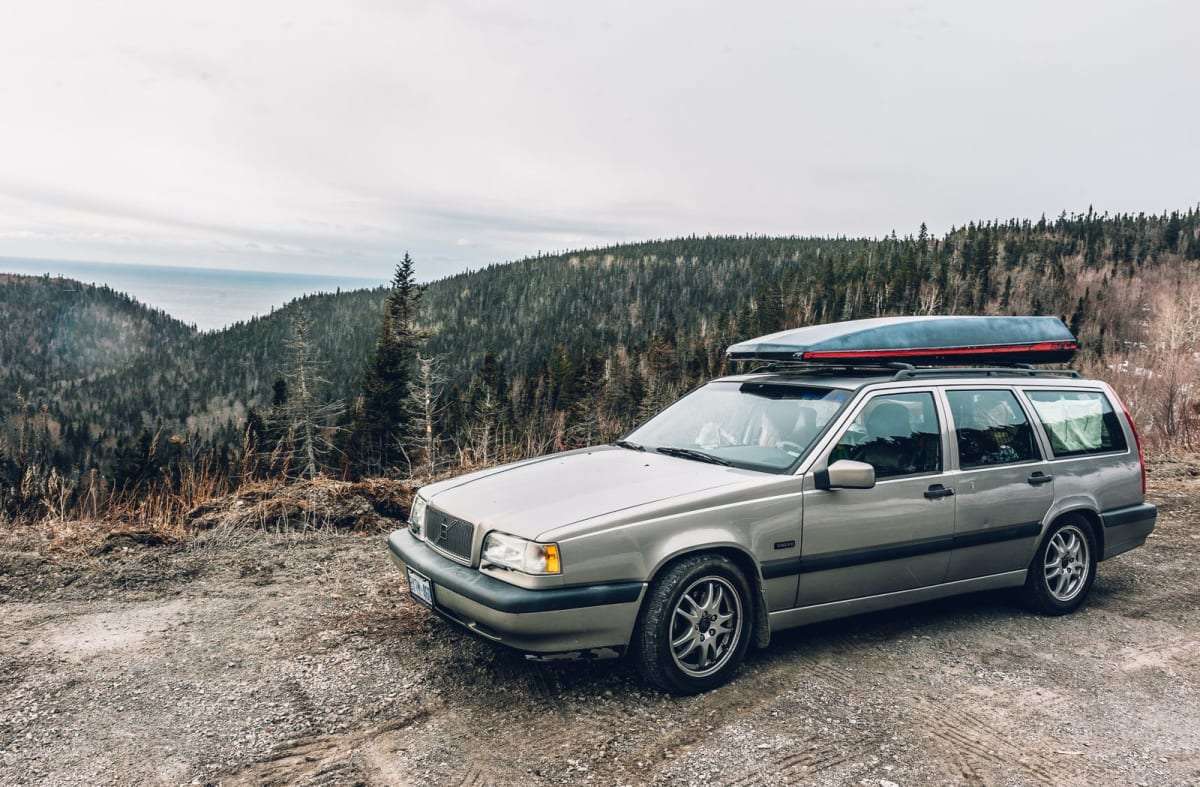
Table of contents
You have four people, one minivan, and a Thanksgiving table 500 miles away. Should you drive or fly? Gas costs more than it did last year, so flying can feel like the sensible upgrade. For most families, the math says the opposite.
Both sides of the trade got pricier this fall. Pump prices are still well above last November, and holiday airfare jumped even faster. The question is which increase hits your trip harder, and that depends on three numbers you can work out in five minutes.
This guide walks through the real per-mile cost of driving, the fares you are up against, a worked example with today's prices, and the cases where flying still wins.
Gas Prices Are Falling, but Still Above Last Year
Start with the pump, because it moves the fastest. On November 12, AAA's daily gas price tracker showed regular at $3.908 a gallon. A week earlier it was $4.10. A month earlier it was $4.36.
That is a real drop. It is not a return to normal. The same AAA page lists a year-ago average of $3.075, so regular still costs about 83 cents more per gallon than last November. If you drive a diesel truck, the gap is wider: diesel sits at $6.10 against $3.76 a year ago, an increase of roughly 62%.
What does that mean in dollars you will feel? Take a car that gets 25 miles per gallon. Every 100 miles burns 4 gallons:
- Last November: 4 gallons at $3.08 is about $12.30.
- Today: 4 gallons at $3.91 is about $15.63.
- The difference: roughly $3.33 more per 100 miles.
On a 1,000-mile holiday round trip, that works out to about $33 extra. Annoying, but small. Hold that number, because the airfare side moved by a lot more. If you want the bigger picture on why crude has pushed pump prices up, our piece on what surging oil prices mean for your budget covers the chain from barrel to gas station.
The Per-Mile Cost of Driving That Actually Matters
Most people either undercount driving (gas only) or overcount it (the full cost of owning a car). The right number for a one-off trip sits in between.
AAA's annual Your Driving Costs study breaks ownership into parts. For a new car driven 15,000 miles a year, the all-in average is 86 cents a mile. That figure includes depreciation, financing, insurance and registration. You pay most of those whether the car sits in the driveway or crosses three states.
Two pieces do rise with every mile you add:
- Fuel: AAA's study used 17.3 cents a mile, based on gas averaging $4.152 a gallon over the year ending in May.
- Maintenance, repair and tires: 11.7 cents a mile in the same study.
Add them and you get about 29 cents a mile. That is the honest marginal cost of a road trip in an average new car. A thriftier sedan lands lower and a big SUV lands higher, which is why you should plug in your own fuel economy.
Why not use the IRS rate? The IRS raised its business mileage rate to 76 cents a mile on July 1, up from 72.5 cents. That rate is built to reimburse the full cost of owning a car for work, so it bakes in depreciation and insurance. Using it to price a family trip makes driving look roughly two and a half times more expensive than it is.
If depreciation on your car is mostly tied to mileage (an older, high-mileage vehicle, for example), you can nudge the per-mile figure up. For most households, 25 to 30 cents is the right working range. Our breakdown of what owning a car really costs each month shows how the fixed costs stack up separately.
Drive or Fly: A Worked Example for a Family of Four
Now the main event. Here is the trip: four people, 500 miles each way, a minivan that averages 22 mpg, and gas at AAA's current national average of $3.91.
The driving side
- Fuel: 1,000 miles divided by 22 mpg is about 45.5 gallons. At $3.91, that is about $178.
- Wear: 1,000 miles at 11.7 cents is $117.
- Total: about $295 for the whole family, before tolls and snacks.
For comparison, the same fuel at last year's $3.08 would have cost about $140. So this year's gas increase adds roughly $38 to the trip.
The flying side
According to Hopper's holiday travel index, the average domestic round trip for Thanksgiving is $402, up $95 from last year. Four tickets come to $1,608. If you return on Sunday, November 29, Hopper's average jumps to $604 per ticket, or $2,416 for the family.
That fare total still leaves out the costs that only show up when you fly:
- Airport parking or two rideshare trips at home
- A rental car or rides at your destination
- Checked bags for four people's holiday luggage
The verdict
Driving saves about $1,313 at average fares, and about $2,121 if your family is stuck with a Sunday return. Even if you charge yourself AAA's full 86 cents a mile, the drive costs $860, still about $750 less than four average tickets.
Notice where the year-over-year pain landed. Gas added about $38 to this drive. The fare increase added $380 across four tickets. Higher gas prices are real, but for a family they barely dent the case for driving.
When Flying Still Wins
Driving does not win every matchup. The fewer people in the car, the weaker its advantage, because the fuel bill stays the same while the airfare bill shrinks.
Take a solo traveler in a 30 mpg sedan on the same 1,000-mile round trip. Fuel comes to about 33 gallons, or roughly $130. Add $117 of wear and the drive costs about $247. The average ticket is $402, so driving saves around $155.
Now count the hours. Five hundred miles is about eight hours behind the wheel each way, or 16 for the trip. A short domestic flight, with the airport drive, security and boarding, might take five or six hours door to door each way. Call the difference about eight hours in total.
The time test: $155 saved over eight extra hours is about $19 an hour. If an hour of your holiday is worth more than that to you, the plane is the better buy.
The break-even distance
You can also flip the question around and ask how far you would have to drive before the fuel and wear match one plane ticket. For the solo sedan, the marginal cost is about 24.7 cents a mile. Divide $402 by that and you get roughly 1,630 miles round trip, or about 815 miles each way.
Past that point, a solo flyer comes out ahead on money alone, and well ahead once you add a hotel night on the road. For a family of four in the minivan, the same break-even stretches past 5,000 miles round trip. No Thanksgiving drive gets close to that.
Flying also wins when the drive itself carries risk you cannot price easily: winter passes, a single driver on a 12-hour day, or a toddler who will not last past hour three. Those are judgment calls, and they are allowed to override the spreadsheet.
How to Cut the Cost Whichever Way You Go
Once you have picked a mode, a few moves shave real money off either one.
If you drive:
- Fill up in the cheaper state. AAA's state map shows wide gaps. Hawaii averaged $5.64 on November 12 while Delaware sat at $3.80. On a long route, timing your stops around state lines adds up.
- Ditch the roof box if you can. A cargo carrier adds drag, and drag costs fuel at highway speed.
- Check your tires before you leave. Underinflated tires waste fuel and wear faster, and wear is a third of your per-mile cost.
- Leave early or late. Idling in the Wednesday afternoon jam burns gas while you move nowhere.
If you fly:
- Avoid the Sunday return. Hopper found Monday or Tuesday returns average about $350, up to $250 less than flying home on Sunday.
- Depart Monday, November 23. Hopper's data shows it as the cheapest departure day at about $370, roughly $50 under Wednesday.
- Price the ground costs too. A cheap fare plus a $60 parking bill and a pricey rental can erase your savings.
Our look at where the airfare deals still are goes deeper on finding cheaper routes and airports if flying is your only option.
Frequently Asked Questions
Is it cheaper to drive or fly for Thanksgiving?
For two or more travelers on trips under about 800 miles each way, driving is almost always cheaper. With gas near $3.91 and the average Thanksgiving fare at $402, a family of four saves well over $1,000 on a typical 500-mile trip. Solo travelers on long routes are the main exception.
How much does it cost per mile to drive a car?
For a trip you would not otherwise take, count fuel plus maintenance and tires. AAA's study puts those at about 17.3 and 11.7 cents a mile, or roughly 29 cents in total. The full ownership cost of 86 cents a mile includes insurance and depreciation you pay anyway.
Are gas prices going down before Thanksgiving?
They have been falling. AAA's national average for regular dropped from $4.36 a month ago to $3.91 on November 12. Prices can rebound if crude oil climbs, so check the AAA tracker a few days before you leave.
What day is cheapest to fly home after Thanksgiving?
Hopper's data points to Monday or Tuesday after the holiday, at about $350 round trip on average. Returning on Sunday, November 29, is the most expensive option at around $604.
Should I use the IRS mileage rate to compare driving and flying?
No. The 76-cent IRS rate reimburses the full cost of a work vehicle, including depreciation and insurance. For a personal trip, fuel plus wear is a fairer comparison and usually lands between 25 and 30 cents a mile.
Run Your Own Numbers Before You Book
The headlines say gas is up, so the instinct is to fly. For most families, the bigger jump happened at the airline counter. A 27% rise in gas adds tens of dollars to a road trip, while a 31% rise in fares adds hundreds once you multiply by every seat.
Grab your car's real mpg, the distance, today's pump price, and a quote for the exact flights you would take. Multiply the miles by about 12 cents for wear, add the fuel, and set that against the fares plus parking and a rental. Five minutes of arithmetic tells you whether the plane is worth the premium, and for a full car, it rarely is.
Written by
Priya Raman
Health & Living
Covers health, wellness, and everyday living for Quick Trend Insights, with an interest in separating what the research supports from what the marketing claims.
Related Articles
View all
Holiday Travel Insurance: When It Pays and When It Won't
Holiday travel insurance costs 4% to 10% of your trip, but it only pays for listed reasons. See the cost math, CFAR limits, and the gaps that deny claims.

Checked Bag Fees Hit $50: How to Pay Less on Holidays
Checked bag fees hit $50 at JetBlue and $45 at Delta. See how purchase date, peak dates and when you pay change the price, plus five ways to pay less this trip.

CDC Attestation Form: What US-Bound Flyers Must Sign
The CDC attestation form is now required on every flight to the US, citizens included. Who must sign, how airlines collect it, and how the 21-day rule works.