
Gold Surges Past $5,000: What Every Investor Should Know
Gold has broken past $5,000 per ounce for the first time. Learn what's driving the surge, expert price forecasts, and how to invest in gold today.
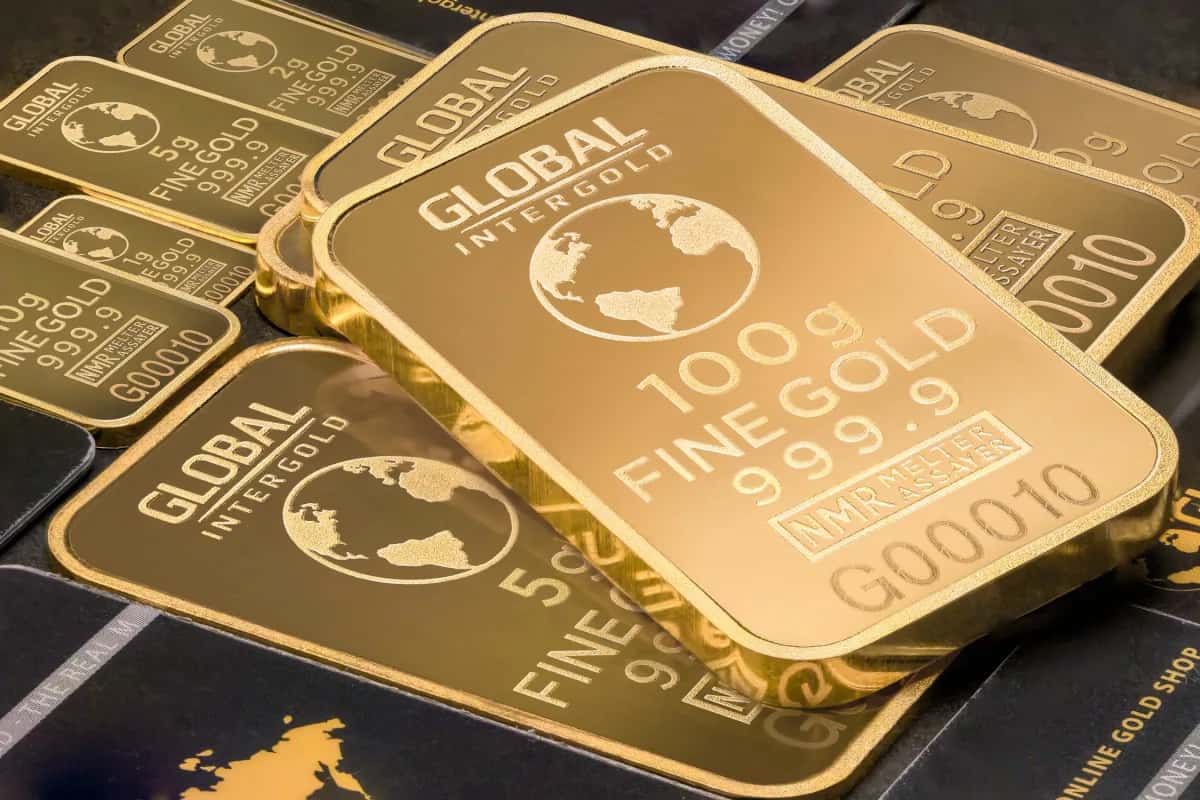
Table of contents
Gold just shattered a barrier many thought would take years to reach. The price of gold has surged past $5,000 per ounce for the first time in history, and the rally shows no signs of slowing down. Whether you already own gold or have never invested a dime, this moment demands your attention.
With geopolitical tensions escalating, inflation concerns lingering, and central banks around the world stockpiling bullion at record rates, gold is sending a clear signal: uncertainty is the new normal. But does that mean you should rush to buy? Or has the ship already sailed?
In this guide, we break down what's driving gold's historic rally, where experts think prices are headed next, and how you can add gold to your portfolio: whether you're a seasoned investor or a complete beginner.
Key Takeaways
- Gold has broken past $5,000 per ounce for the first time, with some analysts targeting $6,000-$7,000
- Geopolitical uncertainty, central bank buying, and inflation fears are the primary drivers
- You can invest in gold through ETFs, physical bullion, mining stocks, or digital platforms
- J.P. Morgan forecasts gold averaging over $5,000 through the end of the year
- Experts recommend gold as 5-15% of a diversified portfolio, not an all-in bet
What's Driving Gold's Historic Surge?
Gold doesn't move this dramatically without powerful forces behind it. Several converging factors have created the perfect storm for bullion.
Geopolitical Uncertainty
From ongoing conflicts to trade tensions and tariff threats, the global landscape feels increasingly unstable. When investors sense danger, they flock to gold, the original safe-haven asset. Gold has served as a store of value for thousands of years, and that reputation is proving its worth right now.
Central Bank Buying Spree
Central banks worldwide are buying gold at an unprecedented pace. Countries like China, India, Poland, and Turkey have been aggressively adding to their reserves, driven by a desire to diversify away from the US dollar and hedge against currency volatility. This institutional demand has put a firm floor under gold prices and is unlikely to slow down anytime soon.
Inflation and Dollar Concerns
Despite central bank efforts to tame inflation, many investors remain skeptical that price stability has truly been achieved. Gold thrives in environments where purchasing power is under threat. A weakening US dollar has further amplified gold's appeal, making it cheaper for international buyers and driving up demand globally.
Momentum and Fear of Missing Out
Gold's stunning recent returns (over 60% in the past year alone, with more than 50 all-time highs) have attracted a new wave of investors. When an asset keeps hitting records, it draws attention from people who previously ignored it. This momentum creates a self-reinforcing cycle of buying that pushes prices even higher.
Where Do Experts Think Gold Is Headed?
The consensus among major investment banks is overwhelmingly bullish, though forecasts vary.
J.P. Morgan Global Research forecasts gold averaging $5,055 per ounce by the final quarter of the current year, with further upside toward $5,400 by the end of next year. Their analysts cite continued central bank demand and geopolitical risk as key drivers.
Societe Generale takes an even more aggressive stance, predicting gold could reach $6,000 per ounce by year-end. Their thesis rests on the expectation that safe-haven demand will intensify as global economic uncertainty deepens.
CNBC has reported that some analysts see the $7,000 level as achievable, particularly if tariff escalation triggers a broader economic slowdown. While this represents the most bullish end of the spectrum, it signals how much upside potential some experts see.
Not everyone is bullish, however. Macquarie Group's Peter Taylor predicts a pullback to $4,200 by the fourth quarter, warning that the rally has gotten ahead of fundamentals and that central banks could begin selling reserves. This is an important reminder that no investment moves in a straight line.
How to Invest in Gold: Your Options
If you've decided gold deserves a place in your portfolio, here are the main ways to get exposure.
Gold ETFs
Exchange-traded funds like SPDR Gold Shares (GLD) and iShares Gold Trust (IAU) offer the easiest way to invest in gold without physically owning it. You can buy and sell gold ETFs through any brokerage account, just like stocks. They track the price of gold closely and charge small management fees (typically 0.25-0.40% annually).
Physical Gold
Buying gold bars or coins gives you direct ownership of the metal. Popular choices include American Gold Eagles, Canadian Maple Leafs, and various-sized bars from reputable mints. Physical gold has no counterparty risk. It's yours regardless of what happens to financial markets. However, you'll need secure storage (a safe or bank deposit box) and insurance.
Gold Mining Stocks
Companies like Barrick Gold, Newmont Corporation, and Agnico Eagle Mines offer leveraged exposure to gold prices. When gold rises, mining company profits tend to rise even faster because their extraction costs stay relatively fixed. Mining stocks can deliver amplified returns, but they also carry company-specific risks like management decisions, operational problems, and regulatory changes.
Digital Gold Platforms
Several fintech platforms now allow you to buy fractional gold, sometimes as little as $1 worth, stored in insured vaults. These platforms make gold investing accessible to anyone with a smartphone. While convenient, make sure to verify the platform's reputation, insurance coverage, and fee structure before investing.
Is It Too Late to Buy Gold?
This is the question on every investor's mind, and the honest answer depends on your time horizon and goals.
If you're investing for the long term (5-10+ years), most experts argue that gold still has significant upside potential. The structural drivers (central bank demand, geopolitical instability, and inflation hedging) are not going away anytime soon. In this context, today's price could look like a bargain in retrospect.
If you're looking for a quick trade, caution is warranted. Gold has had an extraordinary run, and sharp pullbacks are normal even in strong bull markets. A correction of 10-15% from current levels would be historically typical and shouldn't surprise anyone.
The smartest approach? Dollar-cost averaging. Instead of investing a lump sum at today's price, spread your purchases over several weeks or months. This reduces the risk of buying at a short-term peak and smooths out your average entry price.
How Much Gold Should You Own?
Most financial advisors recommend allocating 5-15% of your investment portfolio to gold. This range provides meaningful diversification benefits without overexposing you to a single asset class.
Gold's primary role in a portfolio is insurance. It tends to rise when stocks fall, hold value during inflation, and provide stability during market chaos. It's not designed to be your primary growth engine. Think of it as the anchor that keeps your portfolio steady when storms hit.
If you currently own zero gold, even a small 5% allocation can meaningfully reduce your portfolio's overall volatility. The best time to buy insurance is before you need it, and the same principle applies to gold.
Gold vs. Other Safe-Haven Assets
Gold isn't the only option for investors seeking safety. Here's how it compares to other popular safe havens.
Gold vs. US Treasury Bonds: Treasuries pay interest while gold doesn't, making bonds attractive in high-rate environments. However, gold has no credit risk and can't be inflated away by government spending. In periods of extreme uncertainty, gold has historically outperformed bonds.
Gold vs. Bitcoin: Bitcoin is often called "digital gold," but the two assets behave very differently. Bitcoin is far more volatile and correlates more closely with tech stocks than with gold. Gold remains the proven safe haven, while Bitcoin is still establishing its role during genuine crises.
Gold vs. Cash: Holding cash feels safe, but inflation erodes its purchasing power over time. Gold has maintained its purchasing power over centuries. An ounce of gold bought roughly the same amount of goods in ancient Rome as it does today: no currency can make that claim.
Frequently Asked Questions
Why is gold going up so much right now?
Gold's surge is driven by a combination of geopolitical tensions, aggressive central bank buying (especially from China, India, and Turkey), persistent inflation concerns, and a weakening US dollar. These factors have created unprecedented safe-haven demand. Additionally, the momentum from consecutive record highs has attracted new investors who are amplifying the rally.
Is gold a good investment for beginners?
Yes, gold can be an excellent addition to a beginner's portfolio. Gold ETFs like GLD and IAU are the simplest way to start. You can buy shares through any brokerage account just like stocks. Most advisors recommend keeping gold at 5-15% of your total portfolio. Start small, dollar-cost average in, and think of gold as long-term insurance rather than a get-rich-quick play.
What happens to gold if the stock market crashes?
Historically, gold tends to rise or hold steady when stock markets crash. During major market downturns, investors sell risky assets and buy safe havens like gold, driving up its price. This negative correlation with stocks is one of gold's most valuable properties as a portfolio diversifier. However, in sudden liquidity crises, even gold can dip briefly as investors sell everything to raise cash.
Should I buy physical gold or gold ETFs?
It depends on your priorities. Gold ETFs are more convenient: easy to buy, sell, and store through a brokerage account. Physical gold gives you direct ownership with no counterparty risk, but requires secure storage and insurance. Many investors use a combination: ETFs for the bulk of their gold allocation and a small amount of physical gold as "insurance of last resort."
Can gold reach $7,000 per ounce?
Some analysts believe $7,000 is achievable, particularly if trade tensions escalate further or a significant economic slowdown occurs. However, this represents the most optimistic end of the forecast spectrum. More conservative estimates place gold in the $5,000-$6,000 range over the near term. As with any investment, nothing is guaranteed, and prices can correct sharply even during strong bull markets.
The Bottom Line
Gold's breakthrough past $5,000 is more than just a number. It's a signal from the market that investors are bracing for continued uncertainty. Whether you're looking to protect your wealth, diversify your portfolio, or simply participate in one of the most powerful commodity rallies in history, gold deserves serious consideration.
The key is to approach gold investing with clear eyes. Don't chase the price in a panic. Don't put all your eggs in one golden basket. And don't ignore the risks just because the momentum feels unstoppable.
Build your position gradually, keep it as a percentage of a diversified portfolio, and remember why you're buying it: not to get rich overnight, but to stay protected when the world gets uncertain.
Disclaimer: This article is for informational purposes only and does not constitute financial advice. Always consult with a qualified financial advisor before making investment decisions. Past performance is not indicative of future results.
Written by
Marcus Vance
Business & Money
Writes on business and personal finance for Quick Trend Insights, translating markets, rates, and company strategy into what it costs or saves a household.
Related Articles
View all
Buy Now Pay Later Is Hiding in Your Credit Report
Buy now pay later rarely helps your credit score and can quietly hurt it. Here is what BNPL does to your report, and the debt data behind the trend now.

Why Your Car Insurance Went Up Without a Claim
Your car insurance went up with no claim and no ticket. Here is what actually drives the increase, and which levers still lower what you pay each year.

What a Rate Hike Costs Your Credit Card
A Fed rate hike reaches your credit card within two statements. Here is the mechanism, what it costs on a real balance, and the order to deal with it.