
Energy Drinks and Heart Risk: What 11x Really Means
Energy drinks and heart risk: FDA reports show cardiac arrest 11 times more often with stimulant products. What that signal means and how to count caffeine.
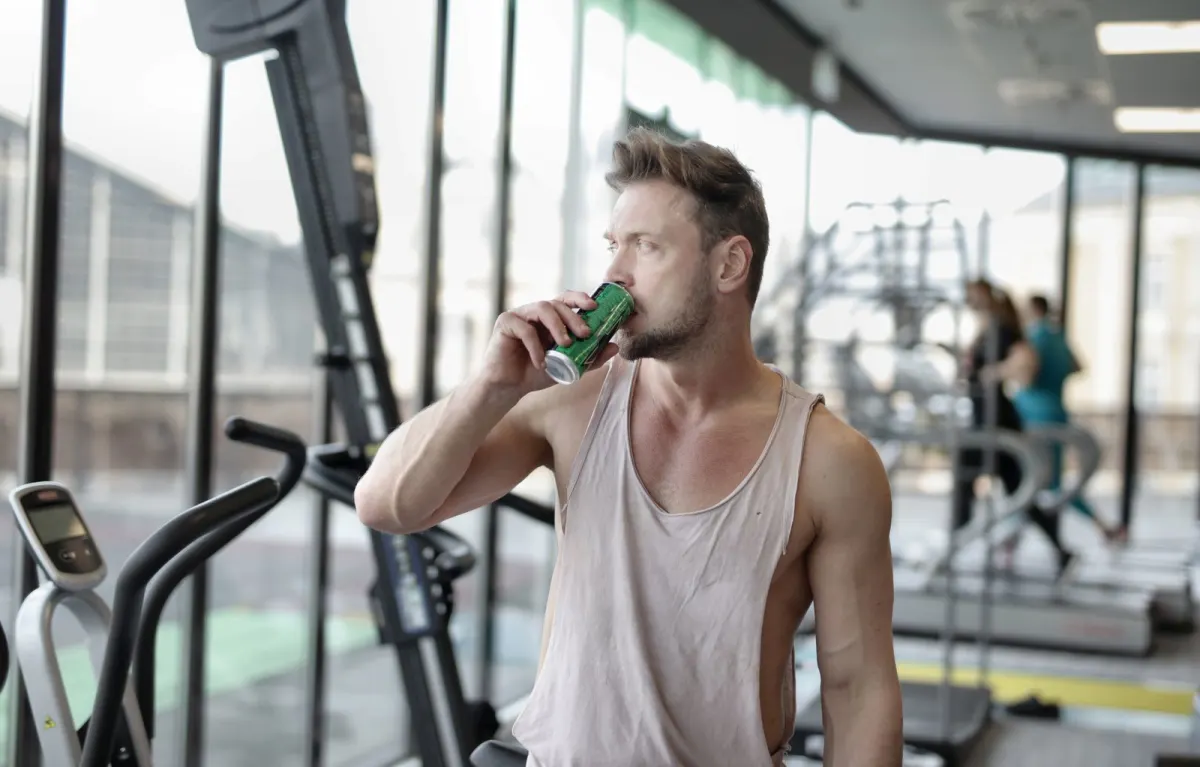
Table of contents
You crack a can at 3 p.m. to get through the afternoon, then mix a scoop of pre-workout before the gym at 6. Neither feels like a big deal. Both are sold next to the bottled water.
New research presented at the American Heart Association's Scientific Sessions in Chicago puts a sharper question on that habit. It looked at energy drinks and heart risk through eight years of reports sent to the FDA, and cardiac arrest showed up about 11 times more often when a caffeine or stimulant product was involved. Nearly half of those heart reports came from adults aged 18 to 34.
That headline number is easy to misread, in both directions. Below is what the study can and cannot tell you, how much caffeine your own day actually adds up to, and the label checks that matter more than the brand on the can.
What the Energy Drinks and Heart Risk Study Found
The research team, led by University of Virginia medical student Sai Samayamanthula, pulled 28,345 adverse-event reports from an FDA safety database covering 2017 to 2025. These are reports filed by consumers, doctors and manufacturers when someone has a problem after using a food or supplement.
Of those, 854 reports involved energy drinks or dietary supplements containing caffeine or other stimulants. The other 27,491 involved products without stimulants, such as soft drinks, protein bars, meal replacement shakes, smoothies and vitamins. The team then compared how often each heart problem appeared in the two piles.
According to the American Heart Association's release on the study, here is how the stimulant reports compared:
- Cardiac arrest: about 11 times more often
- Heart attack: about 4.5 times more often
- Ventricular arrhythmias or palpitations: about 4 times more often
- Elevated heart rate: nearly 3 times more often
- Chest pain: 2.71 times more often
- Fainting: about 2 times more often
The pattern looked similar in men and women. The age split did not. About 45% of reports tying these products to a heart event came from people aged 18 to 34.
Why "11 Times" Is Not Your Personal Risk
This is the part that is easy to misread. The study measured how often cardiac arrest appeared within reports, not how often it happens to people who drink these products.
Picture two piles of complaints. In the pile about protein bars and vitamins, heart problems are rare. In the pile about stimulant drinks, a far larger share mention the heart. That tells you the kind of harm these products are linked to is different. It does not tell you how many drinkers were harmed in the first place.
The AHA release is direct about the gap. Reports are voluntary, so nobody knows how many people used the products with no problem, or how many had a problem and never reported it. Colin Kane, a pediatric cardiologist at UT Southwestern who was not involved in the work, told Fox News: "We don't know how many people consumed these drinks." Without that number, a true event rate cannot be calculated.
So should you shrug it off? No. A safety signal this lopsided is exactly what the FDA's reporting system exists to catch. The study author called the risk "probably small" for occasional use, while warning that regular users "can quickly exceed the recommended daily limit for caffeine."
Also note the status. This was a conference abstract, and the AHA says the findings are preliminary until published in a peer-reviewed journal. Products were grouped by ingredient, not by brand, so the data cannot single out any one drink.
How Much Caffeine Is Too Much in a Day?
The useful number here comes from guidance, not from the new study. The AHA's scientific statement on caffeine and cardiovascular disease, published in its journal Circulation, says up to 400 mg of caffeine a day is generally safe for most adults. The AHA puts that at up to five 8-ounce cups of black coffee.
The FDA's consumer guide to caffeine uses the same 400 mg figure as an amount "not generally associated with negative effects." Toxic effects such as seizures can appear with rapid intake of around 1,200 mg, which the FDA says is less than half a teaspoon of pure caffeine powder.
Coffee and energy shots are not the same dose
The AHA statement treats the two very differently. It found that 2 to 4 cups of coffee a day was linked to lower risks of heart disease, heart failure and stroke, while more than 4 cups a day may raise heart failure risk. Energy drinks and shots get no such reassurance. The statement says their high doses "may have harmful effects on the heart and should be avoided."
The reason is concentration. Regular brewed coffee carries roughly 9.4 to 20.6 mg of caffeine per fluid ounce, according to the AHA. Energy shots carry 40 to 69 mg per fluid ounce, three to four times as much. The AHA's release on the new study adds that some pre-workout supplements carry more than 12 times the caffeine per ounce of brewed coffee.
A Worked Example: One Ordinary Day
Here is how a normal-looking routine stacks up against the 400 mg ceiling, using the AHA's per-ounce ranges.
- Morning coffee, 16 oz brewed: 16 × 9.4 to 16 × 20.6 = 150 to 330 mg
- Afternoon energy shot, 2 oz: 2 × 40 to 2 × 69 = 80 to 138 mg
- Running total: 230 to 468 mg
At the low end you have room to spare. At the high end you are already 68 mg over the AHA's line, and you have not touched a soda, a tea or a pre-workout scoop. The same two drinks can land you on either side of 400 mg depending on how strong the coffee is.
The FDA notes that restaurants and coffee shops are not required by law to tell you how much caffeine their drinks contain. So the biggest single number in your day is often the one you know least about.
Read the Label for More Than Caffeine
The study did not only look at caffeine. It grouped products by stimulant ingredients, and the AHA release names two families worth knowing:
- Methylxanthines: caffeine, theobromine, guarana, yerba mate, and green tea or coffee extracts
- Sympathomimetics: synephrine, yohimbine, ephedra, DMAA and higenamine
Guarana and green tea extract matter because they add caffeine that may not be counted in a headline "caffeine per can" figure. The FDA explains that caffeine must appear in the ingredient list when it is added on its own. When it comes from another ingredient, only that ingredient is listed.
Products are not drug-tested before sale. The AHA release points out that the FDA regulates these drinks and supplements as foods or dietary supplements, not medicines. That means they do not go through the premarket safety testing a prescription drug would.
So if you see synephrine, yohimbine or higenamine on a pre-workout tub, you are taking a stimulant on top of the caffeine. Heart rate is one of the fitness tracker numbers that hold up, but a watch reading is not a safety check. A normal number on your wrist does not clear a stimulant stack.
Who Should Be Most Careful
The researchers do not yet know why young adults dominate the reports. They listed possible reasons without testing them: how often people drink these products, drinking them right before exercise, mixing them with alcohol or drugs, and heart conditions nobody has diagnosed yet.
Be more cautious if any of these apply to you:
- You have high blood pressure. The AHA statement says high doses from energy drinks or shots can raise blood pressure significantly, which may be especially concerning for people who already have it.
- You have ever had palpitations, chest pain or fainting during exercise.
- You take medicines or have conditions that the FDA says can make people more sensitive to caffeine.
- You are pregnant, trying to become pregnant or breastfeeding. The FDA advises talking to your provider.
- You are buying for a teenager. The FDA says medical experts advise against energy drinks for children and teens.
Timing matters too. Caffeine late in the day can cut into sleep, and short sleep is its own problem: researchers have ranked insufficient sleep ahead of diet and exercise as a predictor of a shorter life. If your 3 p.m. can is fixing a short night, it treats the symptom.
What to Do Before Your Next Workout
You do not need to quit caffeine. The decision is about dose, speed and stacking.
- Count the whole day, not one product. Add coffee, tea, soda, shots and pre-workout together against the 400 mg line.
- Pick less concentrated sources. The AHA's warning is aimed at high-dose drinks and shots, not ordinary coffee in moderate amounts.
- Skip stimulant stacks before hard sessions. If you want a pre-workout, choose one without synephrine, yohimbine or higenamine, and do not add an energy drink on top.
- Treat symptoms as a stop sign. Palpitations, chest pain or fainting after a stimulant product is a reason to see a doctor, and to tell them what you took.
If your training plan leans on a stimulant to get through it, the plan may be the thing to adjust. Our breakdown of the strength training sweet spot found the longevity benefit topped out at 90 to 120 minutes a week, so more grinding is not the goal.
Frequently Asked Questions
Are energy drinks bad for your heart?
An occasional energy drink that keeps your day under 400 mg of caffeine stays within the range the AHA calls generally safe for most adults. The new research found heart problems, including cardiac arrest, were reported far more often with stimulant products than with other foods. The study author called the risk probably small for occasional use, but warned that regular users can quickly pass the daily caffeine limit.
How much caffeine is safe per day?
The American Heart Association and the FDA both use 400 mg a day as generally safe for most adults. That is up to about five 8-ounce cups of black coffee. People with high blood pressure, heart rhythm problems, or who are pregnant should check with a doctor about a lower limit.
Is pre-workout worse than an energy drink?
It can be. The AHA says some pre-workout supplements carry more than 12 times the caffeine per ounce of brewed coffee, and some add other stimulants such as synephrine or yohimbine. Taking one right before hard exercise stacks two stresses on the heart at once.
The Bottom Line on Energy Drinks and Your Heart
The 11 times figure is a signal, not a sentence. It says heart emergencies make up an unusually large share of the problems people report after stimulant products, and that young adults are filing a big portion of those reports. It does not say your next can is dangerous.
What you can control is the math. Add up your real daily caffeine, read stimulant labels for more than the caffeine line, and keep high-dose products away from hard workouts and alcohol. If your total sits comfortably under 400 mg and your heart never complains, you are in the range the AHA calls safe. If it does not, that is the number to change first.
Written by
Priya Raman
Health & Living
Covers health, wellness, and everyday living for Quick Trend Insights, with an interest in separating what the research supports from what the marketing claims.
Related Articles
View all
Blood Pressure Combination Pill: Is One Better Than Two?
A new JAMA trial found a blood pressure combination pill strategy doubled control rates. What it means for your pills, your copay and your next checkup.
Prostate Cancer Screening: What the New PSA Advice Means
New prostate cancer screening advice: a PSA test every two years from 50, yearly from 45 for higher-risk men. What a high result means and what it costs you.
Undiagnosed Diabetes: Why You Won't Feel It Coming
Undiagnosed diabetes affects 252 million adults, often with no symptoms. See who should get screened, what A1C and glucose numbers mean, and how to get tested.