
Walking After Meals: How Long to Walk to Lower Blood Sugar
Walking after meals lowers blood sugar spikes. See what trials found on how long to walk, when to start, why dinner matters most, and how it beats vajrasana.
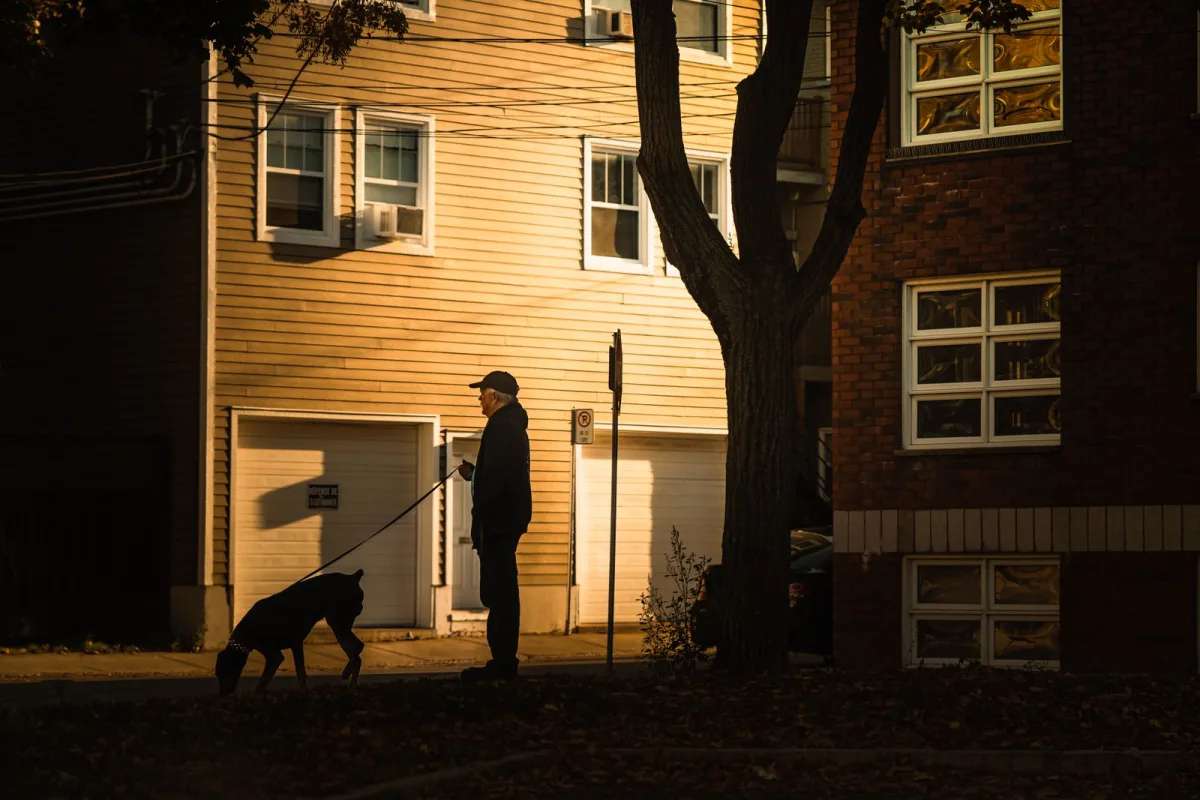
Table of contents
The holiday plates are cleared, everyone sinks into the sofa, and someone suggests a walk around the block. Half the table groans. An uncle insists you should sit cross-legged in vajrasana instead, because that is what his yoga teacher says.
Who is right? The research on walking after meals is more specific than most advice suggests. It tells you roughly how long to walk, when to start, and which meal matters most. This guide walks through the trials, the numbers they produced, and how to fit the habit into an ordinary day without overdoing it.
Why Walking After Meals Lowers Blood Sugar
When you eat carbohydrates, glucose enters your blood and usually peaks within an hour or so. Your body then releases insulin to move that glucose into cells. Large or repeated spikes force the system to work harder, which is a concern for anyone with prediabetes or diabetes.
Working muscles change that picture. Contracting muscles pull glucose out of the blood to use as fuel, and they can do part of this without relying on insulin. A walk timed to the rise in blood sugar gives that glucose somewhere to go at exactly the right moment.
The effect does not need hard exercise. In the trials below, people walked at an easy, comfortable pace, the kind you can hold while talking.
What the Trials Found
Three studies give the clearest picture. They differ in who took part and how long they ran, which is useful, because it shows the effect holds across groups.
Ten minutes after each meal beats one long walk
Researchers at the University of Otago in New Zealand ran a crossover trial with 41 adults with type 2 diabetes, average age 60. For two weeks, participants were told to walk 30 minutes once a day. For another two weeks, they were told to walk 10 minutes after each main meal. Total walking time was the same.
Continuous glucose monitors tracked the results. Published in Diabetologia, the trial found the after-meal glucose rise was about 12% lower with the post-meal plan. After the evening meal, when people ate the most carbohydrate and sat the most, it was about 22% lower.
Walking beats standing
A 2022 meta-analysis in Sports Medicine, led by researchers at the University of Limerick, pooled seven randomized crossover trials. All compared breaking up long sitting with short bouts of standing or light walking.
- Standing breaks modestly lowered post-meal glucose, but did not change insulin.
- Light walking breaks lowered both glucose and insulin, with a larger effect.
- Walking versus standing: walking still came out ahead on both measures.
The authors concluded that light walking was the better activity break. That matters for anyone who cannot get outside: a few minutes pacing the hallway still counts.
Timing beats duration
A 2025 trial in Scientific Reports, from Ritsumeikan University in Japan, tested 12 healthy young adults after a standard glucose drink. They either rested, walked 10 minutes immediately, or walked 30 minutes starting half an hour later.
Both walks lowered average blood sugar over two hours compared with rest. The short, early walk did as well as the long, later one, and it also blunted the peak more clearly. The sample was small and healthy, so treat it as supporting evidence rather than proof.
What the research does not show yet
These are short studies. The Otago trial ran for two weeks per condition, and every trial in the Limerick meta-analysis lasted a single day. None of them shows how much post-meal walking lowers HbA1c, the three-month average doctors use to track diabetes.
The Limerick authors said as much, calling for longer studies in everyday settings. So the honest summary is this: post-meal walking reliably blunts the spike in front of you, while its long-term payoff is likely but not yet measured directly.
Worked Example: What the Numbers Look Like
The Japanese trial reported actual glucose values, which makes the effect easy to picture.
- Resting after the drink: average blood sugar over two hours was 135.8 mg/dL.
- Ten-minute walk right away: the average fell to 127.9 mg/dL.
- The difference: about 8 mg/dL, or roughly 6% lower, from ten minutes of easy walking.
Now scale the Otago result to a day. Three 10-minute walks add up to 30 minutes, the same as one longer walk. Yet splitting it around meals cut the after-meal rise by about 12% on average, with the dinner walk doing the most work. You get more benefit from the same 30 minutes simply by moving the timing.
Over a week that is 210 minutes of walking, which also clears the CDC's target of at least 150 minutes of activity a week for preventing type 2 diabetes.
Walking After Meals vs Vajrasana
Vajrasana, the kneeling thunderbolt pose, is widely recommended in India for sitting after meals. Yoga teachers say it helps digestion by directing blood flow toward the abdomen.
The difference is evidence. We found no randomized trial comparing vajrasana with walking on blood sugar. Walking, by contrast, has several controlled trials with continuous glucose monitoring behind it. Vajrasana keeps large leg muscles still, which is the opposite of what clears glucose after a meal.
If you enjoy the pose, there is no need to drop it. For blood sugar, walk first, and if you like, sit in vajrasana afterward.
How to Build the Habit
The trials point to a simple routine. Adjust it to your schedule and health.
- Start soon after you finish eating. In the Japanese trial, a walk begun right away did as well as a longer one started later, because it met glucose on the way up.
- Aim for 10 minutes. Shorter still helps, and longer is fine if you feel comfortable.
- Prioritize dinner. The evening meal tends to be the largest and is followed by the most sitting, which is where the Otago trial saw the biggest gain.
- Keep the pace easy. You should be able to hold a conversation.
- Indoors counts. Pacing, climbing stairs or tidying the kitchen all keep muscles working.
The habit fits the holiday season well, when big meals stack up over a few weeks. Our article on why a single pound of holiday weight gain matters explains why small daily habits in December pay off for years.
Who Should Check With a Doctor First
For most people a gentle walk after eating is low risk. A few groups should talk to a clinician before changing their routine.
- People taking insulin or certain diabetes pills. Some medicines can push blood sugar too low when combined with new activity. Your care team may want to adjust timing or monitoring.
- People with heart or lung conditions, or chest pain or breathlessness on exertion.
- People with foot problems from diabetes, such as numbness or slow-healing sores, who need the right footwear and checks.
If you have never had your blood sugar tested, a post-meal walk is no substitute for that. Diabetes often causes no symptoms for years, as our guide to undiagnosed diabetes explains.
Frequently Asked Questions
How long should you walk after eating to lower blood sugar?
About 10 minutes at an easy pace is enough to see an effect in trials. In one study of adults with type 2 diabetes, 10 minutes after each meal worked better than a single 30-minute daily walk.
Is it better to walk before or after a meal?
For blood sugar, after. Walking soon after eating meets the glucose rise as it happens, which is why trials timed to meals show bigger reductions than walks taken at other times of day.
Is walking after dinner good for diabetes?
Yes, and it appears to be the most useful time. The Otago trial found post-dinner walking lowered the after-meal glucose rise by about 22%, the largest effect of any meal. Check with your care team if you use insulin.
Is vajrasana better than walking after meals?
There is no trial evidence that vajrasana lowers blood sugar. Walking has several controlled studies showing lower post-meal glucose, so walking is the better-supported choice.
The Bottom Line on Walking After Meals
A short, easy walk soon after eating is one of the best-tested habits for blunting blood sugar spikes. Ten minutes is enough, dinner is the meal that benefits most, and spreading your walking around meals gets more out of the same total time.
Start with tonight's dinner. Leave the dishes for ten minutes, step outside, and let your muscles handle some of the sugar for you.
Written by
Priya Raman
Health & Living
Covers health, wellness, and everyday living for Quick Trend Insights, with an interest in separating what the research supports from what the marketing claims.
Related Articles
View all
Sleeping 9 Hours After 50: When Long Sleep Is a Warning
Sleeping 9 hours or more after 50 is linked to higher risks of death and dementia. See what new studies found and when long sleep calls for a doctor visit.

Seasonal Affective Disorder: Does a SAD Lamp Really Work?
Seasonal affective disorder returns every winter. See what trials show about SAD lamps, how much daylight you lose by city and how to use a lamp properly.
Vitamin D and Sleep: What the New Study Found
Vitamin D and sleep: a new Johns Hopkins study found low vitamin D linked to 23 fewer minutes of sleep a night. What it proves, what it can't, and what to do.