
Frozen Pipes: Why They Burst and What a Claim Costs
Frozen pipes burst between the ice and a closed tap, and the average claim tops $17,000. See which pipes freeze first, what insurance covers and how to stop it.
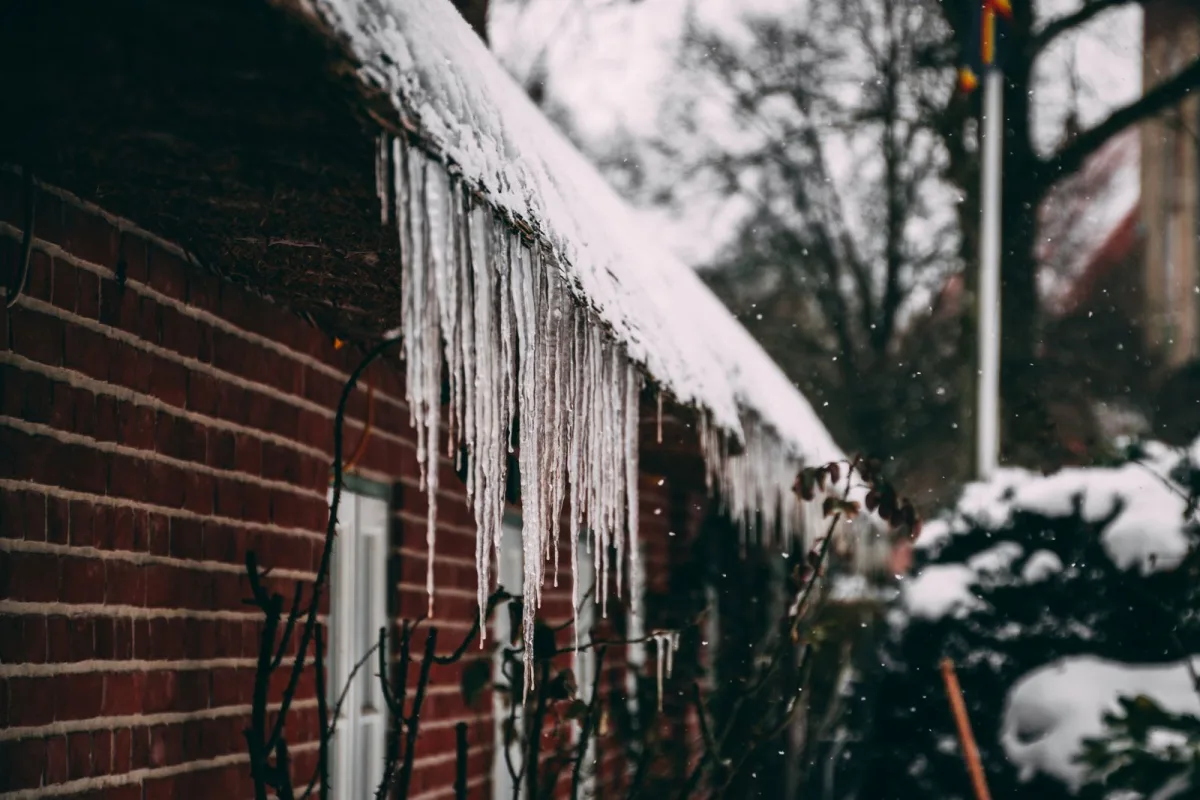
Table of contents
You fly home after a long holiday weekend, open the front door, and hear water running somewhere inside the walls. The thermostat was set low to save money, the forecast said 15°F, and a pipe along an outside wall gave out sometime on Saturday. Frozen pipes are one of the most expensive problems a home can have in winter, and most of the damage happens in a few hours that nobody is around to see.
The good news is that bursting follows a predictable pattern, and the fixes are cheap compared with the bill. This guide explains why pipes actually burst, which ones are most at risk, what an insurance claim looks like, and the steps that matter most before the first hard freeze.
Why Frozen Pipes Burst
Most people picture ice swelling until the pipe splits open right where it froze. That is not quite what happens. Water expands by about 9% as it turns to ice, as This Old House explains, and the first ice to form acts like a plug.
The burst usually happens downstream of the ice, where there is little or none. Once a plug seals a section of pipe, the water trapped between it and a closed faucet has nowhere to go. As more ice forms, that trapped water gets squeezed until the weakest point gives way, often a joint or a section that has been stressed before.
Water on the other side of the plug can flow back toward the main supply, so it rarely builds the same pressure. That is the whole logic behind letting a faucet drip: an open tap gives the trapped water an escape route, so pressure never builds to the bursting point.
Which Pipes Freeze First
State Farm, citing its claims experience, says the danger zone is below 20°F for pipes in uninsulated spaces. The places to check:
- Exterior walls: kitchen and bathroom supply lines often run along them, inside cabinets that block warm air.
- Attics and crawl spaces: unheated and frequently drafty.
- Garages and basements: especially lines feeding a laundry area or an outdoor faucet.
- Outdoor hose bibs: a connected garden hose traps water in the faucet body.
- Anywhere with air leaks: a small gap that lets in a stream of cold air can freeze a pipe in a heated room.
Cold snaps in places that rarely freeze do outsized damage, because homes there are not built for it. State Farm's five costliest states for freeze claims from January 2024 through June 2025 were Illinois, Oregon, Washington, Texas and Tennessee.
What a Frozen Pipe Claim Costs
Water does damage fast. It soaks drywall, swells flooring, ruins insulation and can lead to mold if it is not dried quickly. Two data sets show the scale:
- Industry average: the Insurance Information Institute (Triple-I) reports an average water damage and freezing claim of $17,240 for 2020 to 2024, with 1.42 claims per 100 insured homes each year.
- One large insurer: State Farm said in January that it paid more than $628 million on over 20,000 freeze-related water claims from January 2024 through June 2025. The average payment topped $30,000, and repairs can take weeks or months.
What insurance does and does not cover
The National Association of Insurance Commissioners says homeowners policies generally cover damage from a sudden and accidental discharge, and frozen pipe damage is often covered if you took reasonable steps to prevent freezing. If your insurer decides you did not, the claim may be denied. Policies generally expect you to keep the home at a minimum temperature, or to shut off the water if the home is vacant.
Coverage typically pays for the damaged walls and floors, not for fixing the pipe itself. Vacancy clauses matter too: Triple-I notes that many standard policies limit coverage after a home sits empty for an extended stretch, often 30 to 60 days.
Worked Example: Dripping a Faucet vs a Burst Pipe
Many people skip the drip because it feels wasteful. Run the numbers and the choice is easy.
- The drip. The Environmental Protection Agency says a faucet dripping once per second wastes more than 3,000 gallons a year. That works out to about 8 gallons a day.
- A cold stretch. Drip one faucet on ten freezing nights and you use roughly 80 gallons. That is a small slice of what a household uses in a normal week.
- The leak. State Farm says a small crack in a pipe can release more than 250 gallons in a single day. Over a three-day weekend away, that could be 750 gallons inside your walls.
- The bill. If you file a claim near the Triple-I average of $17,240 with a $1,000 deductible, you pay the first $1,000 yourself, plus the plumber's bill for the pipe, plus weeks of disruption.
Ten nights of dripping uses about a third of what a cracked pipe can leak in one day, and it removes the pressure that causes the crack in the first place.
How to Prevent Frozen Pipes This Winter
Most prevention takes an afternoon and a few dollars of supplies. Work through this list before the first hard freeze:
- Disconnect and drain garden hoses, then shut off and drain any indoor valve feeding outdoor faucets.
- Insulate exposed pipes in the attic, crawl space, garage and basement with foam sleeves.
- Seal air leaks near pipes, especially where they pass through exterior walls.
- Open cabinet doors under sinks on outside walls during cold snaps so warm room air reaches the pipes.
- Let faucets drip on the coldest nights, both hot and cold sides if the pipes run along an outside wall.
- Find your main shutoff valve now, label it, and make sure everyone in the house can reach and turn it.
How warm to keep the house
The advice varies, which is worth knowing. State Farm says to keep the home heated to at least 55°F. Triple-I recommends a minimum of 65°F, noting that the air inside walls where pipes run is substantially colder than the room. If you are on a tight budget, our breakdown of how winter heating costs depend on your fuel shows what a few degrees really cost.
If you are going away
Keep the heat on, and ask a neighbor to check the house every day or two. Triple-I suggests having the water system drained by a professional for long absences. A shutoff stops freezing damage but also disables any fire sprinkler system, so check before you do it.
What to Do If a Pipe Freezes or Bursts
If water is spraying, shut off the main valve first. Then keep away from outlets and appliances near standing water, and call a plumber.
If a pipe is frozen but not leaking, you will often notice a faucet that gives only a trickle. State Farm's guidance is to keep the faucet open and apply gentle heat, such as a hair dryer, starting at the faucet end and working toward the frozen section. Never use an open flame or a torch. Do not run fuel-burning heaters indoors to warm a space either; our guide to carbon monoxide risks during winter outages explains why.
Once the water is off, photograph and video everything before you clean up, and contact your insurer. A power cut makes all of this harder, so keep a flashlight near the shutoff valve. If an outage drags on, our guide to how long food stays safe in a fridge without power covers the kitchen side.
Frequently Asked Questions
At what temperature do pipes freeze?
Water freezes at 32°F, but State Farm says pipes in uninsulated areas such as attics, crawl spaces and outside walls are most at risk when outdoor temperatures drop below 20°F. Wind and drafts can freeze pipes sooner.
Should I drip hot or cold water to prevent frozen pipes?
Drip from faucets on outside walls. If both the hot and cold lines run through a cold wall, open both slightly. The point is to relieve pressure and keep a little water moving.
Does homeowners insurance cover frozen pipes?
Usually, if the burst was sudden and you took reasonable steps such as keeping the home heated. Insurers may deny claims if they find neglect, and most policies pay for the water damage rather than the pipe repair.
How long does it take for pipes to freeze?
It depends on the temperature, wind, insulation and pipe location. Exposed pipes in a drafty crawl space are the most vulnerable, and a single hard overnight freeze can be enough, which is why short cold snaps cause so many claims.
The Bottom Line on Frozen Pipes
Frozen pipes burst because trapped water has nowhere to go, not simply because ice expands. That means a dripping tap, an open cabinet and a warm house prevent most claims. An afternoon of insulation and a labeled shutoff valve cost a tiny fraction of an average claim.
Do the checklist this weekend, before the coldest nights arrive. If a pipe does go, shut the water off fast, document everything and call your insurer the same day.
Written by
Priya Raman
Health & Living
Covers health, wellness, and everyday living for Quick Trend Insights, with an interest in separating what the research supports from what the marketing claims.
Related Articles
View all
Raw Cookie Dough: Why the Flour Is the Real Risk
Raw cookie dough can make you sick even without eggs, because flour is a raw food. See recent flour outbreaks, risky holiday crafts and how to eat dough safely.

Experience Gifts vs Material Gifts: What Research Shows
Experience gifts make people feel closer than objects, research shows, but requested gifts win too. See the studies, trade-offs and how to split a gift budget.
Is Bottled Water Safer Than Tap Water? What Tests Show
Is bottled water safer than tap water? Compare US rules, the plastic particle research, a family's yearly cost, and when bottled is the better choice.