
Budget Android Phones Are Vanishing: What to Buy Now
Budget Android phones are vanishing as memory costs soar. See why cheap phones now cost more, which specs makers quietly cut, and how to buy one that lasts.
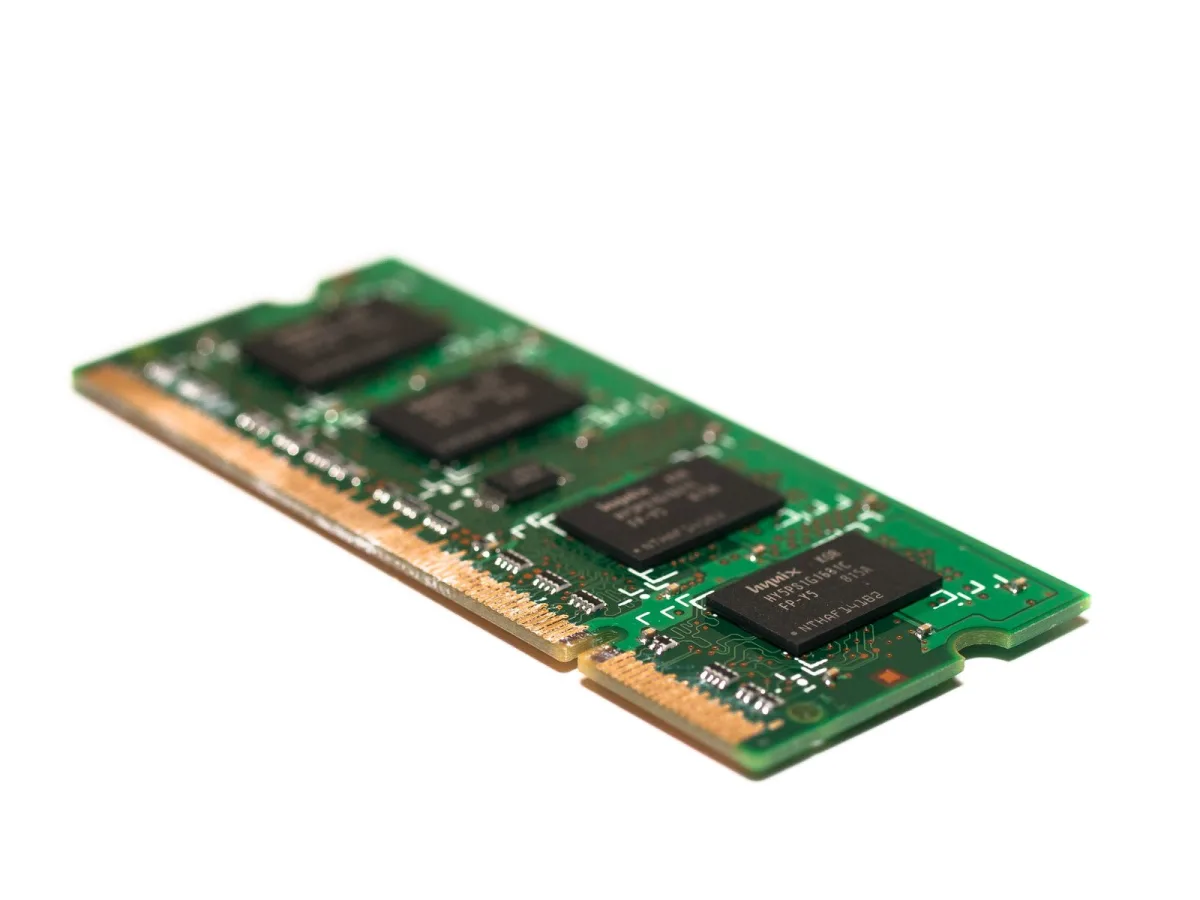
Table of contents
Your teenager's phone just died, or your parent needs a basic smartphone for a holiday gift, and you head to the prepaid aisle with $150 in mind. A couple of years ago that bought you a real choice. Now you find a thin shelf: a few models with specs you would not wish on anyone, and the one you remember is suddenly $199.
You are not imagining it. Budget Android phones are being squeezed out by a memory chip shortage driven by AI data centers. Counterpoint Research reported on November 26 that U.S. smartphone shipments fell 9% in the third quarter, and that "higher memory prices hit the low end of the Android market hardest." In the spring quarter, U.S. sales of phones under $100 fell 64% from a year earlier.
This guide explains why cheap phones are disappearing, how makers are quietly cutting what you get, and how to spend $150 to $350 without buying a phone you will regret in a year.
Why Budget Android Phones Are Disappearing
Every phone needs two kinds of memory: RAM, which runs apps, and storage, which holds your photos. Both come from the same handful of chipmakers. Those makers are now selling as much as they can to AI data centers, which pay far more per chip than a phone brand selling a $129 handset. Our explainer on how the memory chip shortage is raising device prices covers the supply side in detail.
A flagship phone can absorb that cost. A cheap one cannot. Counterpoint forecast in March that memory would make up 43% of the bill of materials for handsets wholesaling below $200, and that the total parts cost of entry-level phones would rise 25% in a single quarter, according to Mobile World Live. When nearly half your parts budget jumps, you have three options: raise the price, cut the specs, or stop making the phone.
Phone makers are doing all three. Counterpoint's global forecast, published November 25, says vendors are "raising prices," cutting memory configurations and withdrawing lower-margin products, and it expects the market for models below $200 to shrink.
What the Squeeze Looks Like in Stores
The numbers from the U.S. show who wins and who loses when cheap phones get expensive.
- The bottom fell out. Counterpoint found U.S. sales of sub-$100 phones dropped 64% year over year in the April to June quarter, as brands stopped shipping them or raised prices. Android Authority reported the same figure.
- Phones moved up a bracket. After Motorola raised prices on several Moto G models, the $200 to $299 segment grew nearly 200% year over year, Counterpoint said. Same phones, new price tags.
- Small brands got crushed. In that quarter, sales from Apple, Samsung, Motorola and Google fell 4% combined, while every other brand together fell 45%.
- Apple gained by default. By the third quarter, Apple held 57% of U.S. shipments, up from 50%, and Samsung edged up to 25%. Motorola, the budget Android stalwart, fell four points to 8%.
Counterpoint senior analyst Maurice Klaehne added that the three big carriers' phone sales fell 4% and that he expects a weak fourth quarter too. Counterpoint also expects carriers to be more selective with holiday promotions. That matters if you were counting on a "free phone with a new line" deal to paper over higher prices.
The Hidden Cuts: Less Memory for the Same Money
A price rise is easy to spot. A spec cut is not, and it is the bigger risk for a budget buyer. When memory is the expensive part, the cheapest way to hold a price is to ship less of it.
Watch for these trade-offs on the spec sheet:
- 4GB of RAM. Enough to boot and run one app. With a modern Android version, a browser, a messaging app and a camera all open, a 4GB phone spends its life reloading apps you just left.
- 64GB of storage. The operating system and preinstalled apps can take a large slice of that before you add a single photo. A year of pictures and app updates fills the rest.
- Short or missing update promises. Cheaper models often get fewer years of security patches. Our guide to checking whether your Android phone still gets security updates shows how to find a model's end date.
- Unknown brands at suspiciously low prices. If a phone still sells for $79 when everyone else has raised prices, ask what was cut. Some cheap devices have shipped with malware already installed, which we cover in how to check a cheap device for preinstalled malware.
As a working floor for anyone who keeps a phone two years or more, look for 6GB of RAM and 128GB of storage. Below that, you are buying a phone that will feel slow well before it stops getting updates.
Worked Example: The Cheap Phone That Costs More
Say you need a phone to last six years for a parent who does not upgrade often. You see two options in the prepaid aisle.
- Phone A: $199, 4GB of RAM, 64GB of storage, two years of security updates.
- Phone B: $349, 8GB of RAM, 128GB of storage, six years of security updates.
Phone A runs out of patches at year two and is probably struggling for storage by then. Replace it twice to cover six years, and you buy three phones: $199 times 3 is $597, before any price rises on the replacements. Phone B covers the same six years for $349, a saving of $248, and your parent learns one phone instead of three.
The math only flips if you know you will replace the phone within two years anyway, such as a first phone for a young child who is likely to lose or break it. In that case, the cheapest phone with a decent update window is the right call.
How to Buy a Budget Phone Right Now
With supply tight, the best value is rarely the newest cheapest model. These moves stretch $150 to $350 furthest.
Buy last year's mid-range instead of this year's budget model
A mid-range phone from a year ago was built before the worst of the memory cost spike, so it often carries more RAM and storage than this year's budget model at the same price. It also usually has years of updates left. Check the update end date before you buy.
Consider a certified refurbished phone
A refurbished flagship from two or three years ago can beat a new budget phone on camera, screen and build. The key is buying from a seller with a real warranty and a battery health guarantee. Our guide to buying a refurbished phone without regret lists what to check.
Do not wait for prices to fall
Counterpoint forecasts global shipments down about 14% this year and another 6% next year, with a 6% rebound only in 2028. Even then, it expects the market to stay about 14% below its 2025 size, and says manufacturer price increases are "here to stay." If you need a phone, waiting for January sales is unlikely to save much.
Look past the brand you know
Samsung's Galaxy A series held up better than most budget lines, which Counterpoint credits for Samsung's steady share. Motorola's G series is still a strong option, just at a higher price than a year ago. Compare the actual spec sheet and update promise, not last year's reputation.
Frequently Asked Questions
Why are cheap Android phones getting more expensive?
Memory chips are in short supply because chipmakers are prioritizing AI data centers. Counterpoint forecast memory would reach 43% of the parts cost of phones wholesaling under $200, so makers are raising prices, cutting RAM and storage, or dropping models.
Will phone prices go down next year?
Probably not. Counterpoint expects global shipments to fall another 6% next year before a rebound in 2028, and says manufacturer price increases are here to stay. Carriers are also expected to be more selective with promotions.
How much RAM should a budget phone have?
For a phone you plan to keep two years or more, aim for at least 6GB of RAM and 128GB of storage. Phones with 4GB of RAM and 64GB of storage tend to feel slow and run out of space quickly with current Android versions.
Is a refurbished phone better than a new budget phone?
Often, yes. A refurbished flagship or recent mid-range phone usually has a better camera and more memory than a new budget model at the same price. Buy from a seller with a warranty and check how many years of updates the model has left.
Spend a Little More, Once
The era of the decent $129 Android phone is fading, and Counterpoint's forecasts suggest it will not return soon. The danger is not just higher prices. It is phones that look affordable because the memory was cut, sold to the buyers least likely to read a spec sheet.
So read it for them. Check RAM, storage and the update end date, then price the phone over the years you will actually use it. A $349 phone that lasts six years is the real budget option.
Written by
Nora Whitfield
Technology & Science
Covers technology and science for Quick Trend Insights, with a focus on what new AI tools, consumer hardware and space missions actually change for the people following them.
Related Articles
View all
Travel eSIM vs Carrier Day Pass: Which Costs Less?
A travel eSIM can cut roaming costs by hundreds on one trip. Compare it with a $12 carrier day pass, avoid double charges, and see what WhatsApp's eSIM changes.

Smartwatch Cellular Plan: Is $10 a Month Worth It?
A smartwatch cellular plan costs $10 to $15 a month plus fees. See the three-year math, what each carrier charges, and who actually needs a cellular watch.

T-Mix Plans: Are T-Mobile's Picks Worth Paying For?
T-Mix plans give you Picks for Netflix, YouTube Premium and more. We run the single-line and family math to show when T-Mobile's perks beat paying directly.