
Nvidia SEC Probe: What It Means for Your Index Fund
The Nvidia SEC probe dragged down the AI trade. Here is what an accounting investigation does and does not mean, and the real math for index-fund investors.
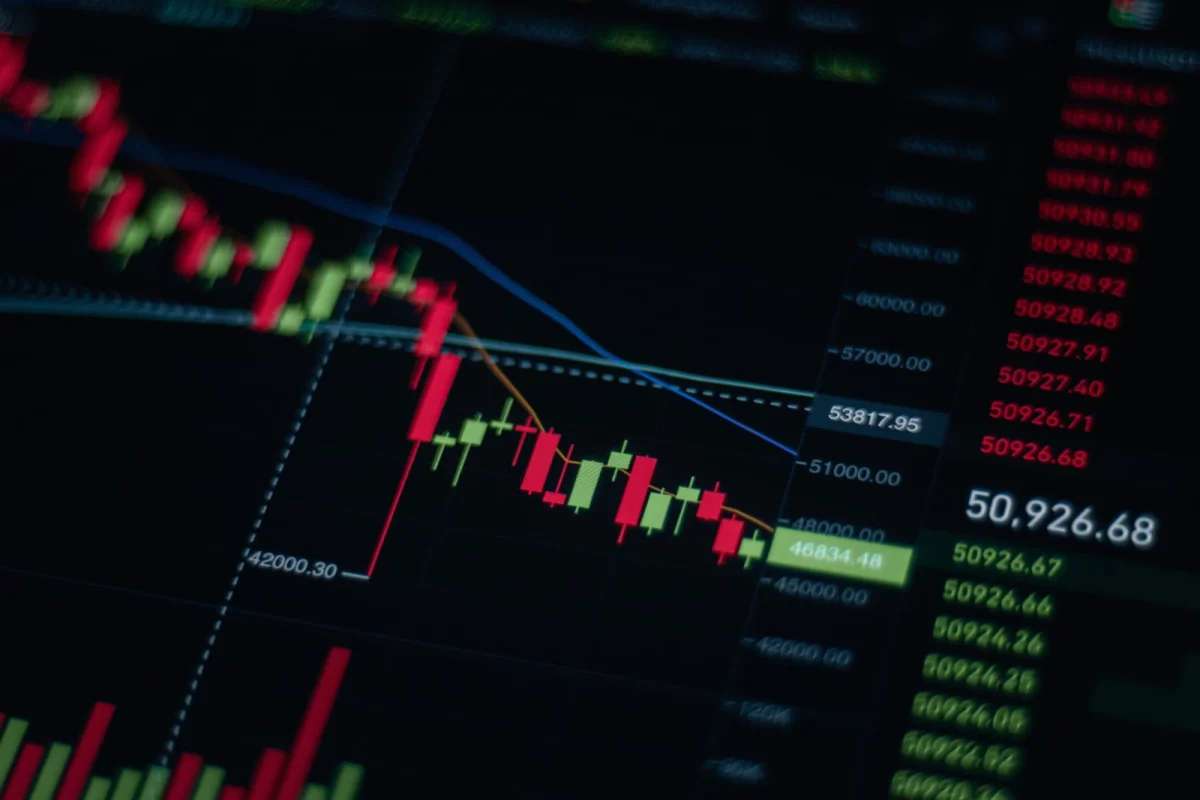
Table of contents
You open your brokerage app on Saturday morning and your S&P 500 fund is down for the seventh session in a row. You never bought a chip stock on purpose. Yet every headline is about the Nvidia SEC probe, and you want to know whether a regulator looking at one company's books should change anything about your retirement money.
Here is what happened. Reuters reported on Friday, November 20, that enforcement staff at the Securities and Exchange Commission are examining potential accounting issues at Nvidia, citing two people briefed on the matter. Nvidia shares fell about 13% that day, according to LSEG data cited by Reuters. The S&P 500 dropped 3.7%, and NBC News reported that the Nasdaq Composite fell 5.3%, erasing its gains for the year.
This guide covers what an SEC investigation actually is, why one company's trouble dragged a 500-stock index, and how much of your loss Nvidia really caused. That last number surprises most people.
What the Nvidia SEC Probe Reports Actually Say
Two news organizations have reported on the probe, and they say different things. On Tuesday, November 17, The Wall Street Journal reported that the SEC was investigating Nvidia, citing people familiar with the matter. It could not pin down the focus. Some reports described questions about whether Nvidia's disclosures gave investors an accurate picture of its business.
Three days later, Reuters added the accounting detail. Its sources said SEC enforcement staff are scrutinizing potential accounting issues. Reuters also said it could not determine when the inquiry opened or which specific issues it covers. An SEC spokesperson declined to comment, and Nvidia did not immediately respond to Reuters.
The reports land in the middle of a bigger story. Nvidia is also in the middle of a leadership change: InvestmentNews reported that Jensen Huang left the chief executive job this month and that former finance chief Colette Kress became interim CEO. Reuters reported that the crisis has knocked Nvidia shares down by more than a third.
What is known and what is not
- Known: two outlets report an SEC civil investigation, based on unnamed sources.
- Known: the SEC has not confirmed it. Its spokesperson declined to comment to Reuters.
- Not known: which accounting items are under review, when the work began, or whether anything is wrong.
- Not known: whether the inquiry will lead to charges, a settlement, or nothing at all.
Keep that list in mind every time you see a headline. A report of a probe is not a finding, and nobody outside the SEC and Nvidia knows yet what the staff is looking at.
What an SEC Investigation Does and Does Not Mean
The SEC's own guidance is blunt: "All SEC investigations are conducted privately." Staff gather facts through informal inquiries, interviews and document reviews. If the Commission approves a formal order of investigation, staff can subpoena witnesses and demand records.
Most of this happens out of view. Investigations start from many sources, including market surveillance, tips and even media reports. Reuters made the key point in its own story: investigations are not evidence of wrongdoing, and many close without any enforcement action.
The three ways it can end
- Closed with no action. The staff finds nothing worth charging and the file ends quietly.
- Settled. The SEC says many cases settle without a trial, often with a penalty and a promise to fix controls.
- Litigated. The Commission files a complaint in federal court or brings an administrative case, seeking remedies such as fines or the return of gains.
Nvidia has been through this before. In May 2022, the SEC charged the company with inadequate disclosures about how cryptocurrency mining affected its gaming business. Nvidia paid $5.5 million and agreed to a cease-and-desist order, neither admitting nor denying the findings.
Why the stock falls before anyone knows anything
Markets hate a question they cannot price. A share price is a bet on future earnings, and an accounting probe questions the earnings number itself. If a stock trades at 30 times profits, investors are paying for the "profits" part. Doubt about that figure hits harder than a weak quarter would, which is why forward P/E ratios on tech stocks only mean something if you trust the earnings underneath them.
Why One Company's News Moved the Whole Index
An S&P 500 fund owns each company in proportion to its market value. Bigger companies get bigger slices. On November 19, the day before the Reuters report, State Street's daily holdings file for the SPDR S&P 500 ETF showed these top weights:
- Apple: 8.22%
- Microsoft: 5.97%
- Nvidia: 5.70%
- Amazon: 4.08%
- Broadcom: 2.66%
- Alphabet (two share classes): 4.66% combined
- Meta: 2.12%
Add Microsoft, Nvidia, Amazon, Broadcom, Alphabet and Meta together and you get about 25% of the fund in six AI-linked companies. The top ten lines alone came to about 37%. You can read more on that imbalance in our piece on why your index fund is not as diversified as you think.
The links between those six
Concentration alone does not explain a 3.7% day. The bigger force is that these companies sell to each other. Microsoft, Amazon, Alphabet and Meta spend heavily on Nvidia and Broadcom chips. When investors start to doubt the AI buildout, they doubt the buyers and the sellers at the same moment, so the stocks fall together.
Even the newest AI listing got caught. Anthropic priced its initial public offering at $83 a share on November 18, according to the company. On Friday the shares fell about 9%, NBC News reported, leaving them only a few dollars above that price. NPR described the week as a really bad one for the AI boom.
Worked Example: How Much Did Nvidia Actually Cost You?
Say you hold $10,000 in an S&P 500 index fund on Thursday night. Here is how Friday breaks down.
- Your Nvidia slice: 5.7% of $10,000 is $570.
- Nvidia's drop: 13% of $570 is about $74. At NBC's 14% figure, it is about $80.
- Your total loss: the index fell 3.7%, so the whole fund lost about $370.
- Everything else: $370 minus $74 leaves roughly $296 from the other holdings.
So the stock at the center of the headline caused only about one fifth of your Friday loss. The other four fifths came from everything that moved with it. Compare that with someone who put the same $10,000 into Nvidia alone. A fall of more than a third over the scandal would have cost them over $3,300.
That gap is the whole case for an index fund in one number. It does not stop you from losing money in a sell-off. It stops one company's bad week from becoming your bad decade.
What an Index-Fund Investor Can Take From This
A headline about one company is a good prompt to check what you own. These steps use public information and take about ten minutes.
- Look up your fund's top holdings. Most fund providers publish them daily. Add up the AI-linked names so you know your real exposure.
- Count your overlap. If you hold an S&P 500 fund plus a Nasdaq-100 fund or a tech ETF, you own the same six companies twice.
- Separate the report from the finding. Selling on an unconfirmed probe means acting on a story whose focus Reuters itself could not determine.
- Watch the company's filings. Nvidia's quarterly and current reports to the SEC are where it must disclose material legal matters.
If you want to see what staying invested looks like over decades, run your own numbers through a compound interest calculator. A 3.7% day looks very different against a 25-year horizon.
Frequently Asked Questions
Is Nvidia under SEC investigation?
The Wall Street Journal and Reuters both reported an SEC investigation, citing unnamed people familiar with it. Reuters said the focus includes potential accounting issues. The SEC declined to comment, and neither the agency nor Nvidia has publicly confirmed the inquiry.
Does an SEC investigation mean a company committed fraud?
No. The SEC runs investigations privately to gather facts, and many close without any enforcement action. A finding of wrongdoing only comes from a settled order or a court or administrative ruling.
How much of the S&P 500 is Nvidia?
Nvidia was 5.70% of the SPDR S&P 500 ETF on November 19, according to State Street's holdings file. The weight changes daily with the share price, so it was lower after Friday's fall.
Should I sell my index fund during a tech sell-off?
That depends on your goals and time horizon, which is a question for a qualified advisor. What the numbers show is that a broad fund spreads a single company's drop across hundreds of holdings, which is the job it was built to do.
The Bottom Line for Your Portfolio
The Nvidia SEC probe is a real story with real unknowns, and the reports so far describe a question, not an answer. For an index-fund investor, the bigger lesson sits in the holdings file. About a quarter of a typical S&P 500 fund rides on the same AI bet, so news about any one of those companies travels through all of them.
Know that number for your own portfolio before the next headline arrives. Then you can judge the news by what it does to your plan rather than by how loud it is.
Disclaimer: This article is for informational purposes only and does not constitute financial advice. Always consult with a qualified financial advisor before making investment decisions. Past performance is not indicative of future results.
Written by
Marcus Vance
Business & Money
Writes on business and personal finance for Quick Trend Insights, translating markets, rates, and company strategy into what it costs or saves a household.
Related Articles
View all
FII Buying Explained: Why Sensex and Nifty Hit Highs
Record FII buying pushed Sensex and Nifty to nine-month highs as global markets fell. Here is how foreign flows move Indian stocks and what it means for SIPs.

Yen Intervention: Why 160 Per Dollar Is Japan's Line
Yen intervention explained: why Japan defends 160 per dollar, what its record ¥27 trillion in yen buying achieved, and the rate gap that keeps the yen weak.

Oil Price Drop: Why Brent Fell 32% From Its Peak
Oil price drop explained: Brent fell 32% from its October peak as the war risk premium faded and barrels returned. What it means for pump prices and investors.