
Is a Global Recession Coming? What the Data Says
Is a global recession coming? See the warning signs economists watch, from inflation and interest rates to hiring, and the steps that protect your money.
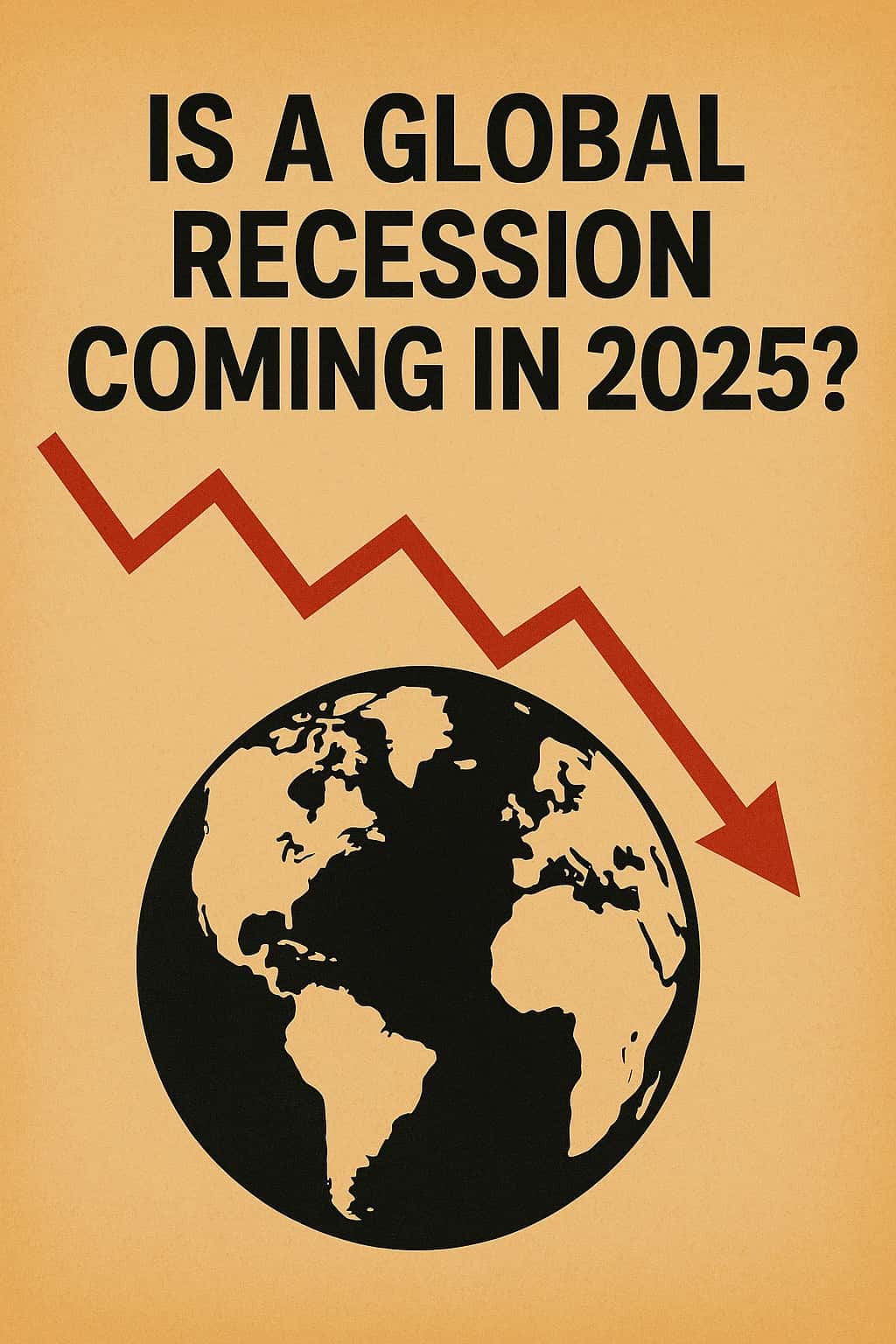
Table of contents
You’ve probably heard it on the news or seen it in your social feed: “a recession is coming.” It sounds scary, right?
But what’s really going on? Are we heading toward a global economic slowdown, or is it just another headline chasing your attention? Let’s break it down in plain English.
What's Happening with the Global Economy?
Right now, the global economy is in a weird spot.
- Inflation is still high in many countries.
- Interest rates are rising (yep, borrowing money is more expensive now).
- Job markets are shifting, especially in tech, manufacturing, and services.
- Countries like the US, UK, China, and Germany are seeing slower growth.
- And let’s not forget the impact of geopolitical tensions, like the ongoing wars and trade issues.
All of this is putting pressure on businesses, governments, and yes, our wallets.
What Exactly Is a Recession?
In simple terms:
A recession happens when the economy slows down for a long enough time, usually six months or more.
You might see:
- Companies laying off people
- Stock markets dropping
- Less spending by consumers
- Slower business growth
And when this happens globally, it’s called a global recession.
Are We Already Seeing Signs?
Many experts are waving the warning flags:
- The World Bank and IMF cut their global growth forecasts. Both update them several times a year, so a run of downgrades is an early warning.
- Big companies are already cutting costs, and people.
- Central banks (like the US Fed) are still battling inflation with higher interest rates.
- Consumers (that’s us!) are spending less due to higher prices.
All these signs point to a possible economic downturn. But don’t panic, not everyone agrees we’ll see a full-blown recession.
What Does It Mean for You?
If you're wondering, “Okay, but how does this affect me?” , here’s the deal:
- Saving becomes more important: interest rates on loans and credit cards are higher.
- Jobs may become more competitive, companies tighten hiring.
- Investments might be riskier: markets become more volatile.
- Small businesses might feel the pinch more than large ones.
So, Is a Recession Inevitable?
Well, not exactly. While the risks are real, recessions aren’t guaranteed.
Governments and central banks are working hard to balance inflation and growth.
Some economists believe we may see a soft landing, a slowdown, but not a crash.
It really depends on:
- How fast inflation cools down
- Global conflicts and trade
- Consumer confidence and spending
- Technological disruptions
What Can You Do Right Now?
Here are a few smart moves anyone can take:
- Start budgeting smarter: Cut unnecessary expenses.
- Boost your emergency fund, 3 to 6 months of expenses saved.
- Focus on job security and upskilling: Stay in demand.
- Be careful with big investments: Do your research.
Final Thoughts
The recession talk is real, but it's not the end of the world. Being informed is your best defense.
The economy works in cycles. And while this cycle may feel uncertain, it’s also a chance to prepare smarter and grow stronger.
So instead of worrying, let’s stay aware, stay flexible, and make smart choices.
Written by
Marcus Vance
Business & Money
Writes on business and personal finance for Quick Trend Insights, translating markets, rates, and company strategy into what it costs or saves a household.
Related Articles
View all
Why the Personal Saving Rate Keeps Falling
The personal saving rate fell to 3.8%, its lowest since 2022, as prices outran income. See what it means for growth and how to check your own household.

The Job Market Is Frozen, Not Collapsing
Unemployment is 4.2% but hiring has fallen to 2013 levels. See why a frozen job market hurts people a layoff wave never touches, and what you can do now.

Housing Inventory Is Back and Buyers Have Leverage
Housing inventory has climbed to a decade high in months of supply. Here is where buyers can finally push, and why a rate buydown beats a 6% price cut.