
Twice-Yearly HIV Prevention Shot: What $40 Generics Change
The twice-yearly HIV prevention shot stopped every infection in a major trial. Why it costs $28,218 in the US, $40 as a generic, and who still can't get it.
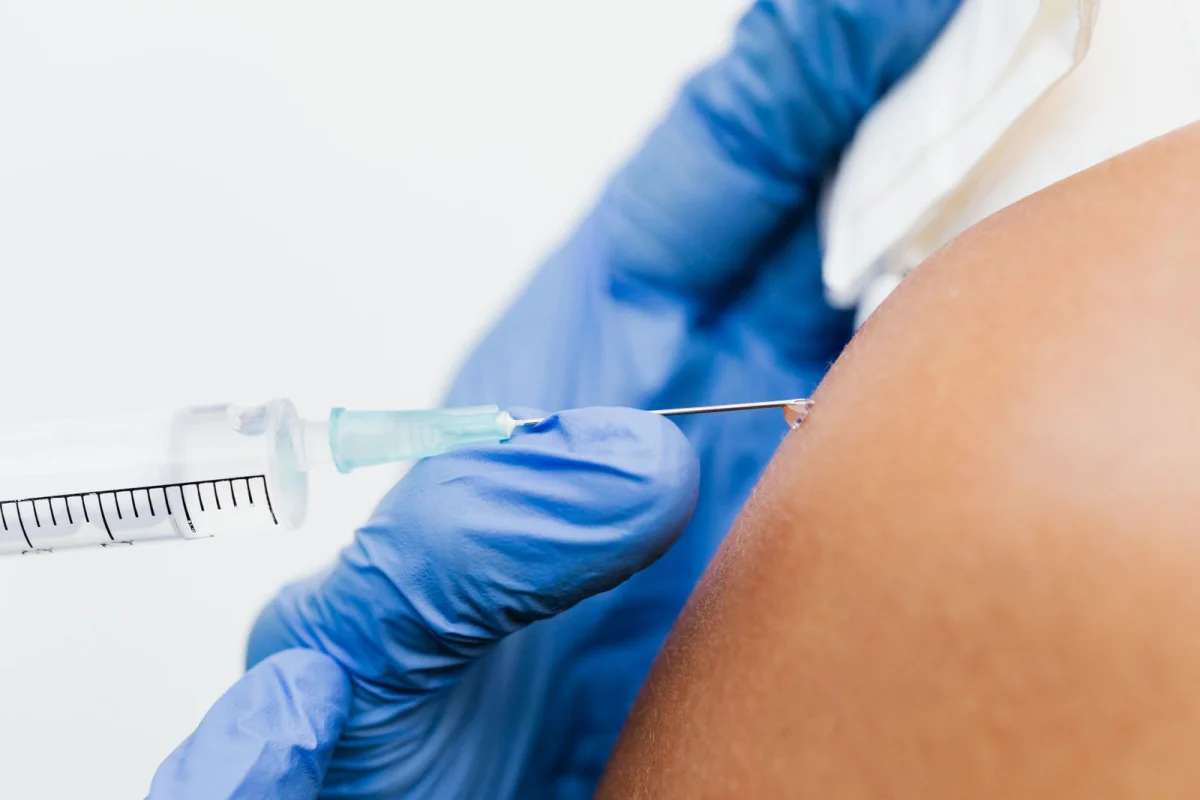
Table of contents
Picture two clinics giving the same injection. In one, a single year of it carries a list price of $28,218. In the other, the projected price is about $40. The drug inside the syringe is the same: lenacapavir, the twice-yearly HIV prevention shot that stopped every infection in a large trial of young women in Africa.
That gap is the story of this shot right now. In early November, the Associated Press reported that the US Food and Drug Administration had given a generic version from India's Dr. Reddy's a tentative approval, at a projected price of about $40 a year. If you live in the US, the UK or India, the shot you can get, and what it costs you, depends on rules that have little to do with the science. Here is what the trials showed, why the price splits so sharply, and what to ask before you consider it.
Why a twice-yearly HIV prevention shot beats a daily pill
Daily pills for HIV prevention, called PrEP (pre-exposure prophylaxis), already work very well. The problem is people, not chemistry. A pill only protects on the days you take it, and many people stop.
The PURPOSE 1 trial, published in the New England Journal of Medicine, shows this in hard numbers. It enrolled 5,338 adolescent girls and young women in South Africa and Uganda. Some got the shot, and some got one of two daily pills. Everyone also got a dummy version of the other method, so nobody knew which was real.
The results split cleanly:
- Lenacapavir shot: 0 infections among 2,134 participants.
- Daily F/TAF pill (sold as Descovy): 39 infections among 2,136 participants, or 2.02 per 100 person-years.
- Daily F/TDF pill (sold as Truvada): 16 infections among 1,068 participants, or 1.69 per 100 person-years.
The pill groups did barely better than the background rate of 2.41 in the screened population. The authors say why in one line: adherence to the pills was low. The shot removes the daily decision. You get it in a clinic, and it keeps working for six months whether or not you remember anything.
What the second trial added
The first trial only covered cisgender women. PURPOSE 2, also in the New England Journal of Medicine, tested the shot in cisgender men, transgender women, transgender men and gender-nonbinary people.
Among 3,265 people in the main analysis, two infections occurred in the lenacapavir group (0.10 per 100 person-years). Nine occurred in the daily pill group (0.93 per 100 person-years). That works out to an incidence rate ratio of 0.11 against the pill, which is where the 89% figure comes from.
So the protection held across very different groups. It did not depend on one population or one country.
The side effect you will notice
Lumps and soreness at the injection site are common. In PURPOSE 1, 68.8% of the lenacapavir group reported an injection-site reaction, against 34.9% in the placebo injection group. Very few people quit over it: 4 participants (0.2%) in PURPOSE 1, and 26 of 2,183 (1.2%) in PURPOSE 2. The Associated Press also lists headache and nausea among common side effects.
The price gap: $28,218 versus $40
Gilead Sciences, which makes the drug, won US approval for Yeztugo in June 2025. The Associated Press reports its list price as $28,218 a year before insurance. That price is why the same injection can be routine in one place and out of reach in another.
Gilead signed royalty-free licences with six generic makers. Those licences cover 120 low- and middle-income countries, mostly in sub-Saharan Africa, Asia and Latin America. Generic versions are expected to cost about $40 per person per year, which is roughly what the cheapest daily pills cost today.
A worked example: what one budget buys
Say a health programme has $100 million to spend on prevention for one year. Here is what that money covers at each price:
- At the US list price of $28,218: about 3,544 people protected for a year.
- At the generic price of $40: 2.5 million people protected for a year.
Same money, roughly 700 times as many people. That ratio is why the Clinton Health Access Initiative and Unitaid pushed so hard to get a generic approved early. The Associated Press quotes a Clinton Health Access Initiative official estimating that about 20 million people worldwide need PrEP. At $40 a year, covering all of them would cost around $800 million. At the US list price, it would cost more than $560 billion.
Who is left out of the cheap version
A licence that covers 120 countries still leaves gaps. According to Doctors Without Borders (MSF), as reported by Al Jazeera, at least 26 middle-income countries are excluded from the generic deal. Brazil, Mexico, Argentina and Peru are among them. MSF also told Al Jazeera that the excluded countries accounted for close to 23% of new HIV infections worldwide in 2023.
Funding is the other squeeze. UNAIDS figures cited by Al Jazeera put international HIV funding down 18% in 2025, to $7.3 billion. The number of people receiving prevention medicine fell from 1.4 million in 2024 to 1.1 million in 2025. A cheap drug still needs someone to pay for it, plus nurses, testing and clinic time.
There is also a timing gap. The FDA approval for the Dr. Reddy's generic is "tentative", the agency's standard label while the original is under patent. That means the generic cannot be sold in the US. Countries that need their own regulator to sign off may wait longer than places that accept the FDA review.
What it means for you in the US, UK and India
If you live in the US
You can only get the branded shot. Most people pay far less than list price because insurers usually cover HIV prevention. Gilead also runs a co-pay programme for people with commercial insurance. Coverage was patchy at launch, though. According to NBC News, CVS initially held off adding the shot to its drug coverage lists. If your plan refuses, ask your clinic whether a prior authorisation can fix it. Our guide to paying less when health insurance premiums jump covers how to compare plans at renewal.
If you live in the UK or India
Access runs through your national health service or regulator, not a pharmacy shelf. The generic licence's focus on lower-income countries means wealthier markets still deal with Gilead. In India, the shot's arrival depends on local approval. Dr. Reddy's, an Indian drugmaker, makes the generic that won FDA tentative approval, according to the Associated Press, but that approval covers export markets. Ask a sexual health clinic what is available to you now rather than assuming the export price applies at home.
The testing rule nobody can skip
You must test negative for HIV before starting, and again at each injection. This is not paperwork. The Associated Press notes that drug-resistant HIV has emerged in people who had an undiagnosed infection when they began.
The reason is simple. A prevention dose is not a treatment regimen. If someone already has HIV, a single drug can let the virus learn to resist it, which can limit later treatment options. Regular testing catches that early.
That also means the shot is not "set and forget" in the way the six-month gap suggests. You still need a clinic visit twice a year and a test each time. For most people, that is still far easier than 365 pills. The decision about whether the shot suits you, and how it fits your health history, belongs with a clinician.
Price gaps like this are not unique to HIV drugs. Our breakdown of what GLP-1 drugs actually cost each month shows the same pattern of list price, insurance and real out-of-pocket cost.
Frequently Asked Questions
How effective is the twice-yearly HIV prevention shot?
In the PURPOSE 1 trial, no one among 2,134 women on lenacapavir became infected. In PURPOSE 2, two of more than 2,000 participants on the shot were infected, an 89% lower rate than with a daily Truvada-type pill.
How much does lenacapavir cost?
In the US, the branded version, Yeztugo, lists at $28,218 a year before insurance. Licensed generics for 120 lower-income countries are projected at about $40 per person per year. What you pay in the US depends on your insurance and Gilead's co-pay programme.
Is generic lenacapavir available in the US?
No. The FDA gave a generic from Dr. Reddy's a tentative approval, which means it meets standards but cannot be sold while the original is under patent. The generic is meant for licensed lower-income countries.
Do you need an HIV test before getting lenacapavir?
Yes. You need a negative HIV test before starting and at each injection visit. Starting the shot with an undiagnosed infection can lead to drug-resistant HIV, so a clinician will test you every time.
The shot works. Access is the open question.
Two large trials show the science is settled for now: a jab every six months beat daily pills because it removed the need to remember. What decides whether it reaches you is price, licensing and funding, not efficacy. If you are weighing prevention options, book a sexual health appointment, ask whether the shot is offered and covered, and talk through whether it fits you. The cheapest generic in the world does nothing until someone walks into a clinic to get it.
Written by
Priya Raman
Health & Living
Covers health, wellness, and everyday living for Quick Trend Insights, with an interest in separating what the research supports from what the marketing claims.
Related Articles
View all
Holiday Weight Gain: Why One Pound Matters More Than Five
Holiday weight gain averages under a pound, not five, but most people keep it. The calorie math, the 10-year cost and the habit that stopped it in a trial.
Carbon Monoxide Poisoning: Why Winter Outages Turn Deadly
Carbon monoxide poisoning spikes in winter outages and looks like flu. The generator rules, the alarm count your home needs and the clues that tell CO apart.
Irregular Sleep Schedule: Why Your Heart Notices the Drift
An irregular sleep schedule may raise heart risk, new studies suggest. See what the research found, its limits, and how to measure your own bedtime drift.