
ODI New Ball Rule: Why Two Balls Become One at Over 35
ODI new ball rule explained: two balls for 34 overs, then the fielding side keeps one, so the death-overs ball is 33 overs old. What that changes for bowlers.
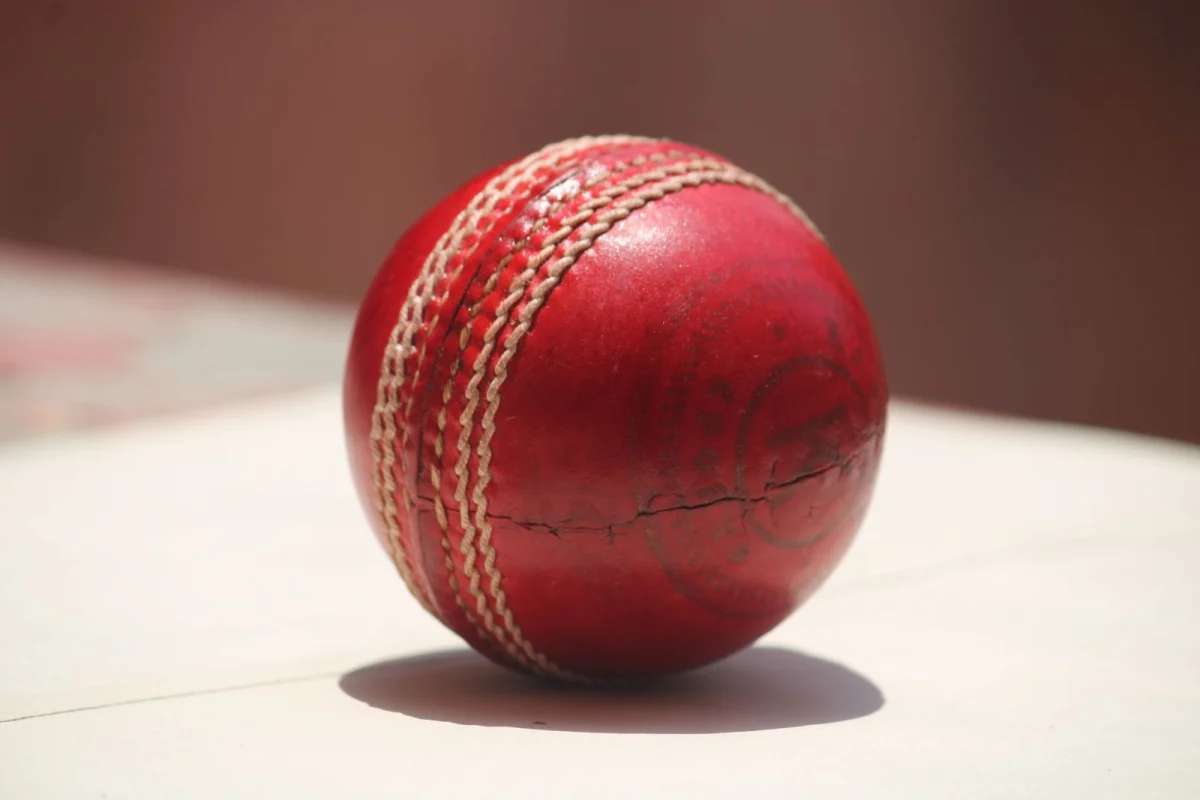
Table of contents
You are watching a one-day international and something odd happens after the 34th over. The umpire walks to the bowling captain holding two balls, the captain picks one, and the other goes back in the box. From that moment the same ball is used from both ends until the innings ends. If you have not followed the playing conditions closely, it looks like a ritual. It is the ODI new ball rule, and it changes how the last 16 overs of every innings play out.
For years, ODIs used two new balls per innings, one from each end, and neither ever got old. The ICC decided the balance had tipped too far towards batters, and its answer was a halfway house: two balls for most of the innings, then one. Here is how it works, what it does to the ball, and what to watch for the next time a white-ball series is on.
The old rule: two balls, never old
Under the ICC's ODI playing conditions, as printed in its 2019-20 handbook, each fielding team had two new balls for its innings, used in alternate overs, one from each end. Over 1 used ball A, over 2 used ball B, and so on.
Run the numbers on a full 50-over innings. Each ball is used in every other over, so each one is bowled for 25 overs. No ball in an ODI innings was ever more than 25 overs old.
That matters because a cricket ball changes a lot with age. A new white ball is hard and shiny. It swings early, bounces more and comes off the bat quickly. An older ball goes softer and scuffs on one side, and that wear is what lets skilled fast bowlers make it reverse swing late in an innings. Spinners also tend to grip an older ball better.
With two balls, neither got old enough for much of that to happen. Batters at the death were still facing a fairly hard ball, which comes off the bat faster.
How the ODI new ball rule works now
The ICC confirmed the change alongside other playing condition updates, as ESPNcricinfo and Wisden both reported. It was recommended by the ICC's men's cricket committee and passed by its chief executives' committee.
The rule has three parts:
Overs 1 to 34: the fielding side bowls with two new balls, one from each end, exactly as before.
After over 34: the fielding side chooses one of the two balls.
Overs 35 to 50: that single ball is used from both ends.
The change took effect for men's ODIs from 2 July 2025, beginning with Sri Lanka's series against Bangladesh. Every men's ODI since then has used it.
Who picks the ball, and why it matters
The fielding team makes the choice, not the umpires. That gives the bowling captain a small but real tactical decision.
Usually the two balls will not have worn equally. One may have been hit into the stands and come back scuffed. The other may have more shine on one side because one bowler has looked after it. A captain with strong reverse-swing bowlers will tend to keep the rougher ball. A captain relying on spin might want the ball that is softer and easier to grip.
A worked example: how old is the ball at the death?
Here is the arithmetic on a full, uninterrupted innings under each rule.
Old rule:
Ball A: overs 1, 3, 5 and so on up to 49 = 25 overs.
Ball B: overs 2, 4, 6 and so on up to 50 = 25 overs.
Age of the ball for over 50: 25 overs.
New rule:
Overs 1 to 34: each ball is used in 17 overs.
Overs 35 to 50: the chosen ball is used for 16 more.
Age of the ball for over 50: 17 + 16 = 33 overs.
So the ball bowled at the death is now about a third older, 33 overs against 25. In deliveries, that is 198 balls of wear against 150. Our percentage calculator puts the jump at 32%.
Nobody can turn that into an exact number of runs saved, because pitches, conditions and bowlers vary too much. But the direction is clear. A softer, rougher ball in the last 16 overs should be harder to hit cleanly and easier for skilled bowlers to move.
What happens in shortened matches
Rain is the obvious complication. If an ODI is reduced to 25 overs or fewer per side before the first innings begins, each team gets only one new ball for its innings. That part matches the earlier playing conditions too.
The reasoning is the same sum in reverse. In a 25-over innings with one ball, the ball reaches 25 overs old, the same as under the old two-ball rule in a full match. So short games do not get a uniquely hard ball at the death.
The threshold is set before the first innings starts. A match that begins as a full 50 overs and is then cut short during play keeps the two-ball start.
How this compares with Tests and T20s
Each format handles ball age differently:
Tests: one new ball at the start of each innings, with a new ball available to the fielding captain after 80 overs. So a Test ball can easily reach 80 overs old.
ODIs: two new balls for 34 overs, then one ball for the last 16.
T20 internationals: one new ball per innings. In 20 overs it never gets very old in any case.
Seen that way, the new ODI rule moves the 50-over game a little closer to Test cricket's long-ball tradition, while keeping the early two-ball phase that gives bowlers swing at the start.
What it means when you watch
You can see the rule's effect if you know where to look.
Watch overs 35 to 40. That is when the captain's choice shows up. A team holding the rougher ball will often bring its best reverse-swing bowler back here.
Watch the spinners in the middle overs. With one ageing ball, spin can play a bigger part after over 35 than it did when both balls were still fairly hard.
Watch the death overs. Batters still have fielding restrictions to work around, but they now face a ball that is 33 overs old rather than 25. A yorker that reverses late is generally harder to hit for six than a full ball with a hard, new one.
These matches also sit inside a wider set of rule changes. The same update brought in the nominated list of replacements explained in our guide to how a cricket concussion substitute is picked. And if you want to know where the line falls on what bowlers may legally do to an old ball, see our explainer on what cricket's laws ban on ball tampering.
Why the ICC changed it
The ICC framed the change as an attempt to readdress the balance between bat and ball. In plain terms: the format had become too easy for batters late in an innings, and the two-ball rule was one of the reasons.
The ICC stopped short of going back to one ball for all 50 overs. The 34-over split is a compromise. Bowlers get a softer ball for the last third of the innings, and batters still face a ball that is visible and in decent shape.
Frequently Asked Questions
How many balls are used in an ODI innings?
Two new balls are used for overs 1 to 34, one from each end. After the 34th over, the fielding team picks one of them and that ball is used for overs 35 to 50.
Who chooses the ball after 34 overs in ODIs?
The fielding team chooses which of the two balls to keep. It usually picks the ball that suits its bowlers, such as a rougher ball for reverse swing.
What is the ball rule in a rain-shortened ODI?
If the match is reduced to 25 overs or fewer per side before the first innings starts, each team uses a single new ball for its whole innings.
When did the ODI two-ball rule change?
The new rule applies to men's ODIs from 2 July 2025, starting with Sri Lanka's series against Bangladesh.
Why did the ICC change the ODI new ball rule?
The ICC said it wanted to readdress the balance between bat and ball. Using one older ball for the last 16 overs gives bowlers more help at the death.
One ball, sixteen overs, more for bowlers
The next time you see the umpire hold up two balls at the end of the 34th over, you will know what is happening. The bowling side is choosing its weapon for the last 16 overs, and that choice can shape how many runs come at the death.
It is a small rule with a measurable effect on the ball: 33 overs of wear at the finish instead of 25. Whether that is enough to pull scores back in the 50-over game is something you can judge for yourself, one death over at a time.
Written by
Eli Turner
Culture & Play
Covers entertainment, gaming, and sport for Quick Trend Insights, tracking how streaming economics and platform decisions reach the audience.
Related Articles
View all
Olympic Host Selection: How a City Wins the Games
Olympic host selection explained: the four stages to the 2036 vote, what the IOC scores, seven bidders including Ahmedabad, and why the Brisbane route ended.

F1 Points System: How a Tie on Points Is Split
F1 points system explained: what each finish pays, how short races score, and how countback and qualifying split two drivers level on points in the standings.
Concussion Substitute Rules: How a Cricket Sub Is Picked
Concussion substitute rules explained: why Prasidh replaced Akash Deep, the five names teams must list, the seven-day stand-down and how referees approve swaps.