
Concussion Substitute Rules: How a Cricket Sub Is Picked
Concussion substitute rules explained: why Prasidh replaced Akash Deep, the five names teams must list, the seven-day stand-down and how referees approve swaps.
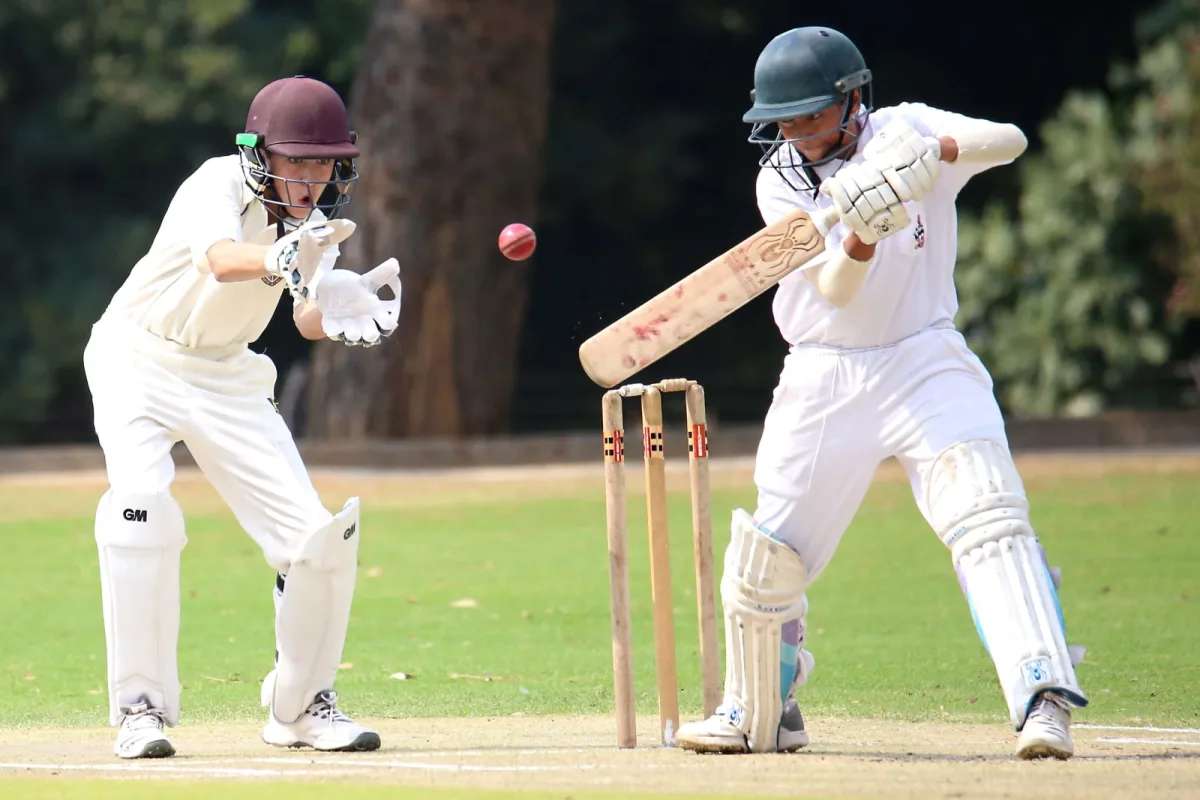
Table of contents
You are watching India fight to stay in a Test in Christchurch. Your best bowler from the first innings, a man with five wickets, takes two blows to the helmet while batting. He walks off, and a few hours later he is out of the match. Then a different fast bowler, one who was not even in the XI, jogs out to take his place. That swap is the concussion substitute rule, and it decides more matches than most fans realise.
It happened on Day 3 of the second Test at Hagley Oval, when Prasidh Krishna came in for Akash Deep. Plenty of viewers asked the obvious questions. Why him and not Mohammed Siraj? Can the new man bowl straight away? And when can Akash play again? The answers sit in a few pages of the ICC's playing conditions, and they changed in important ways recently.
What happened at Hagley Oval
Akash Deep had been India's standout bowler in the match. According to reports from Outlook India and The Tribune, he took five wickets as New Zealand made 356 in their first innings. Then he added 29 runs with the bat as India were bowled out for 246, a deficit of 110.
During that innings he was struck on the helmet twice. He batted on, but delayed concussion symptoms appeared later, and the team's medical staff ruled him out of the rest of the Test. Prasidh Krishna, who was part of the squad for the first Test, was named as his concussion replacement. By stumps New Zealand were 133 for 3, a lead of 243.
The timing hurt India twice. They lost the bowler who had done the most damage, and they lost him just before New Zealand batted again. Without a substitute, India would have had only four bowlers to work with for the rest of the match.
How the concussion substitute rule works
The rule has three moving parts: who decides a player is concussed, who decides on the replacement, and what the replacement is allowed to do.
The doctor decides the diagnosis
The team's medical representative makes the concussion call, not the umpires. If a player is hit on the head, the team doctor or physio assesses him on the field and again later. Symptoms often show up hours after the blow, which is exactly what happened with Akash Deep. The rule allows for that: a team can ask for a replacement once the diagnosis is made, even if the player carried on at first.
The referee approves the replacement
The team then asks the match referee for a substitute. According to the ICC's playing conditions, the referee should normally approve the request if the new player is a like-for-like replacement and his inclusion will not give the team an excessive advantage for the rest of the match.
"Like-for-like" is judged against the role the injured player would have played from that point on. A specialist batter should be replaced by a batter. A frontline seamer should be replaced by a seamer. If the referee thinks the request goes too far, he can attach conditions to it rather than simply say no.
The substitute is a full player
Once approved, the replacement can bat, bowl and field like anyone else in the XI. That is the big difference from an old-style fielding substitute, who could only stand in the field. Prasidh can bowl his full share of overs in New Zealand's second innings.
The injured player takes no further part. Akash Deep's five wickets and 29 runs stay on the scorecard, but he cannot come back into the match even if he feels better the next morning.
Why India sent in Prasidh, not Siraj
Siraj was available, and some reports framed the choice as Siraj being overlooked. Reports did not spell out the team's reasoning. The rules themselves now limit the choice far more than they used to.
Before June 2025, a team could pick from its whole squad, and a home side could even call up someone from outside the touring party. That gave home teams an edge, because they had a larger pool of fit players close by.
The ICC closed that gap. Under the conditions that began with the first Test between Sri Lanka and Bangladesh on 17 June 2025, each team gives the match referee a list of five designated concussion replacements before the match starts:
one wicketkeeper
one batter
one seam bowler
one spin bowler
one allrounder
When a seamer goes down, the team's request will normally be the seamer on that list. So the real decision on who replaces a fast bowler is made before the toss, not in the heat of the moment. If the replacement is also concussed later in the match, the referee may then approve someone from outside the list, still on a like-for-like basis.
The case that forced the change
The list exists because of a T20 international against England in January 2025. India replaced Shivam Dube, a batting allrounder, with Harshit Rana, a specialist fast bowler. The referee approved it, and Rana took 3 for 33.
Wisden pointed out how stretched the comparison was. Dube had bowled 72.4 overs across 89 T20s over the previous three years. Rana was there to bowl four overs flat out. Both could be described as seam-bowling allrounders on paper, so India broke no rule. But the swap looked like a team gaining a better player because of an injury.
Fixing the five names in advance removes most of that room. A team that wants a bowling allrounder as its allrounder replacement has to say so before anyone knows who will get hurt.
The seven-day stand-down
The same set of changes added a second rule that matters for the injured player. A player diagnosed with concussion during a match must now observe a minimum stand-down period of seven days before returning to play. The ICC said this came from its Medical Advisory Committee.
Here is how the date math works for Akash Deep:
Diagnosis during the Test on Sunday, 29 November.
Add the minimum seven days.
The earliest he could play again is Sunday, 6 December, and only if he clears the medical return-to-play steps.
Seven days is a floor, not a target. A player with lingering symptoms will sit out longer. The rule simply stops a team from rushing a concussed player into the next match because the series is tight.
Head injuries are a wider sports medicine story too. If you want the bigger picture on repeated blows, our explainer on what new CTE blood test studies show covers where the science stands.
How it all started at Lord's
The rule took effect on 1 August 2019 across international cricket. Two weeks later it was used in a Test for the first time.
At Lord's in the second Ashes Test, Steve Smith was struck by a Jofra Archer bouncer on day four. He returned to bat, but his concussion tests deteriorated overnight and Australia withdrew him from the final day. The referee, Ranjan Madugalle, approved Marnus Labuschagne as the replacement. Labuschagne took a blow from Archer himself, batted on, and made 59 as Australia saved the match.
What a concussion substitute can change in a match
The rule does not make a team whole. It just stops a head injury from doubling as a tactical blow. Think about what India faced:
Without a substitute: four bowlers to share perhaps 80 or more overs in New Zealand's second innings, with one of them doing far more than planned.
With a substitute: five bowlers again, with Prasidh fresh because he had not bowled in the match.
Notice that second point. A replacement who comes on mid-match has fresh legs. Referees can weigh that when they judge "excessive advantage", which is one reason they can attach conditions.
It also explains why teams do not try to game the system in the obvious way. The diagnosis comes from a medical officer whose decision can be scrutinised, and the replacement must already be on a list given to the referee before play.
Concussion substitutes compared with injury replacements
Cricket is now testing something broader. From October 2025, the ICC began a six-month trial in men's domestic first-class cricket that lets a team replace a player who suffers a serious injury on the field, not only a concussion. The trial applies to injuries suffered after the match has started, including in the warm-up, and the replacement must again be like-for-like.
That trial runs in domestic cricket only. In international Tests, a broken finger or torn hamstring still leaves a team a player short, apart from a substitute fielder. Only concussion brings in a full playing replacement.
The gap explains some odd scenes. A bowler can break down with a hamstring tear and the team plays on with ten effective players, while a batter who takes a blow to the helmet can be replaced in full. The logic is safety: the ICC wants no incentive for a concussed player to hide symptoms to avoid leaving his team short.
For other cricket rules that shape results, see our guide to what cricket's laws actually ban on ball tampering, and for the stakes in this series, our breakdown of what India need in the WTC points table.
Related reading: ODI New Ball Rule: Why Two Balls Become One at Over 35.
Frequently Asked Questions
Can a concussion substitute bat and bowl in cricket?
Yes. Once the match referee approves the replacement, he can bat, bowl and field with no limits beyond any conditions the referee sets. That is what separates him from an ordinary substitute fielder.
Who decides on a concussion replacement in cricket?
The team's medical representative diagnoses the concussion. The match referee then approves the replacement, checking that he is like-for-like and does not give the team an excessive advantage.
How long must a concussed cricketer sit out?
Under the ICC's current playing conditions, at least seven days after a concussion is diagnosed in a match. Medical staff can keep a player out longer if symptoms continue.
Who was the first concussion substitute in Test cricket?
Marnus Labuschagne, who replaced Steve Smith in the Lord's Ashes Test in August 2019 and scored 59 to help Australia draw.
Do teams have to name concussion replacements before a match?
Yes. Since June 2025, each team gives the referee five named replacements before play: a wicketkeeper, a batter, a seamer, a spinner and an allrounder.
The rule that decides who walks out next
The next time a player leaves the field after a blow to the head, you can work out who replaces him before the team announces it. Look at what role he played, then think about the five names handed in before the toss. The seamer on that list is the man warming up.
That list, plus the seven-day stand-down, is the shift from the 2019 version of the rule. It takes most of the tactics out of the swap and leaves the medical decision where it belongs. For India in Christchurch, it meant losing their best bowler but not their fifth bowling option.
Written by
Eli Turner
Culture & Play
Covers entertainment, gaming, and sport for Quick Trend Insights, tracking how streaming economics and platform decisions reach the audience.
Related Articles
View all
Olympic Host Selection: How a City Wins the Games
Olympic host selection explained: the four stages to the 2036 vote, what the IOC scores, seven bidders including Ahmedabad, and why the Brisbane route ended.
ODI New Ball Rule: Why Two Balls Become One at Over 35
ODI new ball rule explained: two balls for 34 overs, then the fielding side keeps one, so the death-overs ball is 33 overs old. What that changes for bowlers.

F1 Points System: How a Tie on Points Is Split
F1 points system explained: what each finish pays, how short races score, and how countback and qualifying split two drivers level on points in the standings.