
Why Pickleball Is Taking Over: A Complete Guide
Discover why pickleball is America's fastest-growing sport. Learn the rules, gear you need, health benefits, and how to start playing today.
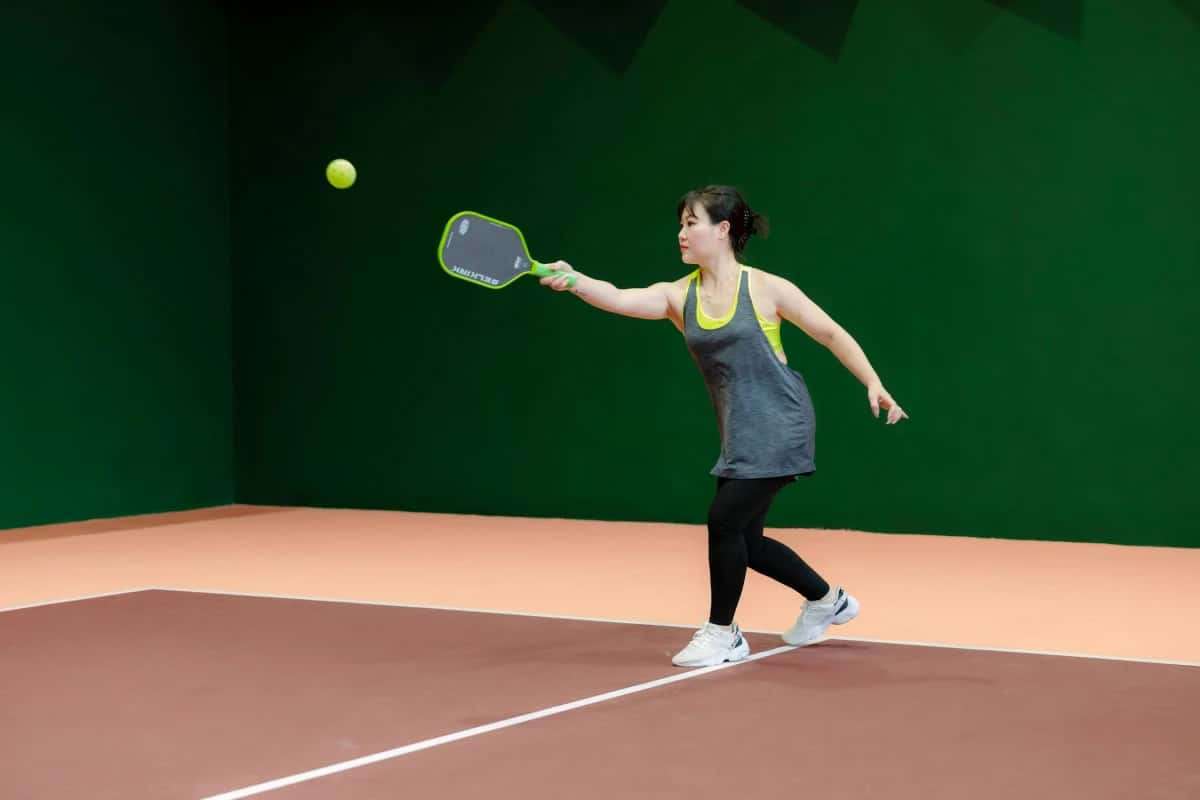
Table of contents
You've probably heard the buzz, at local parks, community centers, and even luxury resorts, a sport with a funny name is drawing massive crowds. Pickleball has exploded from a backyard pastime into the fastest-growing sport in America, and it shows no signs of slowing down.
Whether you're a competitive athlete looking for a new challenge or someone who hasn't picked up a racket in decades, pickleball has something for you. It's easy to learn, fiercely fun, and surprisingly addictive. But with millions of new players flooding courts every year, you might be wondering: what exactly is this game, and how do I get started?
This guide covers everything you need to know, from the basic rules and equipment to why celebrities and pro athletes are pouring millions into the sport.
Key Takeaways
- Pickleball participation has grown over 300% in the last three years, with nearly 50 million Americans playing
- The sport is easy to learn, affordable to start, and playable at any age or fitness level
- Celebrity investors like LeBron James, Tom Brady, and Drake own Major League Pickleball teams
- All you need is a paddle, a ball, and access to a court: entry-level gear costs under $50
- The professional scene is booming with record TV viewership and a $150-200 million capital raise planned
What Exactly Is Pickleball?
Pickleball is a paddle sport that combines elements of tennis, badminton, and ping-pong. Players use solid paddles to hit a perforated polymer ball, similar to a wiffle ball, over a net on a court roughly the size of a badminton court.
The game was invented in 1965 on Bainbridge Island, Washington, when three dads (Joel Pritchard, Bill Bell, and Barney McCallum) improvised a game to keep their bored kids entertained. What started as a family activity has evolved into a multi-billion-dollar global phenomenon.
The name? There are competing origin stories. One claims it was named after the Pritchard family's dog, Pickles, who loved chasing the ball. The other says it comes from the "pickle boat" in rowing, a crew assembled from leftover rowers. Either way, the quirky name has only helped its charm.
Why Is Pickleball So Insanely Popular?
Here's where the numbers tell a remarkable story. Pickleball has been the fastest-growing sport in the United States for four consecutive years. Participation has surged over 300% in the last three years alone, with nearly 50 million American adults playing at least once in the past twelve months.
The global pickleball market is projected to grow from $1.5 billion to $4.4 billion within the next decade, representing an 11.3% compound annual growth rate. But what's driving this explosion?
It's Ridiculously Easy to Learn
Unlike tennis, which can take months to develop a consistent rally, most beginners can start enjoying competitive pickleball rallies within their first hour of playing. The smaller court means less running, the underhand serve is forgiving, and the lightweight paddle requires less arm strength than a tennis racket.
Anyone Can Play
This is pickleball's superpower. Kids, college students, working professionals, and retirees all share the same courts. The largest age group of players is actually 25-34 year-olds with 2.3 million participants, debunking the myth that it's only for seniors. The sport also added over one million players under 18 recently, signaling massive youth adoption.
It's a Social Sport
Doubles is the most popular format, meaning you're always playing with a partner and against two opponents. The close-quarters nature of the game makes conversation easy, and the culture around pickleball leans heavily toward community, fun, and post-game socializing. Many players say they came for the exercise and stayed for the friendships.
It's Affordable
You can get started with a decent paddle for $30-$50. Balls cost a few dollars each. Many public parks have free courts, and community centers often offer drop-in sessions for a nominal fee. Compare that to golf, tennis, or cycling, and pickleball is a bargain.
How to Play: The Rules You Need to Know
Pickleball's rules are simple, which is a big part of its appeal. Here's everything you need to start playing today.
The Court
A pickleball court measures 20 feet wide by 44 feet long, the same dimensions as a doubles badminton court. The net stands 36 inches high at the sidelines and 34 inches at the center. Many tennis courts are being converted into pickleball courts, with one tennis court fitting two to four pickleball courts.
The Serve
The serve must be hit underhand, with the paddle contacting the ball below the waist. You serve diagonally crosscourt and must clear the net and land in the opposite service area. Only one serve attempt is allowed (no second serves like tennis), and the serve must clear the non-volley zone, also known as "the kitchen."
The Two-Bounce Rule
This is pickleball's signature rule. After the serve, each side must let the ball bounce once before hitting it. So the return of serve must bounce, and the third shot must also bounce. After those two bounces, players can volley (hit the ball out of the air) or play off the bounce.
The Kitchen
The non-volley zone, affectionately called "the kitchen," extends seven feet from the net on each side. You cannot hit the ball out of the air (volley) while standing in the kitchen. This rule prevents players from camping at the net and smashing everything, creating longer rallies and more strategic play.
Scoring
Games are typically played to 11 points, win by 2. Only the serving team can score points. In doubles, both players on a team get to serve before the serve passes to the other team (except at the start of the game, when only one player serves). The score is called as three numbers: the serving team's score, the receiving team's score, and which server is serving (1 or 2).
What Equipment Do You Need?
One of pickleball's biggest advantages is its low barrier to entry. Here's what you need to get started.
Paddle: Pickleball paddles are solid (no strings) and come in various materials. Beginners can start with a wood or basic composite paddle for $20-$50. Intermediate and advanced paddles made of carbon fiber or graphite run $80-$200. The paddle is smaller than a tennis racket but larger than a ping-pong paddle.
Balls: Outdoor balls have 40 smaller holes and are harder, while indoor balls have 26 larger holes and are softer. A pack of balls costs $10-$15 and will last through many sessions.
Shoes: Court shoes with good lateral support are recommended. Tennis shoes or volleyball shoes work well. Avoid running shoes, which are designed for forward motion and can cause ankle injuries during the quick side-to-side movements pickleball demands.
Court access: Use the Places2Play directory on USA Pickleball's website to find courts near you. There are currently over 14,000 known pickleball locations across the United States, with new ones opening constantly.
The Pro Scene: Big Money and Bigger Names
Pickleball isn't just a recreational hobby anymore. It's becoming a legitimate professional sport with serious money behind it.
Major League Pickleball (MLP) and the Professional Pickleball Association (PPA Tour) have merged to form a unified professional organization. The combined entity now features 20 teams competing in a coed, team-based format that makes matches exciting and accessible for TV audiences.
The investor list reads like a who's who of sports and entertainment. More than 75 celebrities own teams, including LeBron James, Tom Brady, Kevin Durant, Patrick Mahomes, Drake, Naomi Osaka, Michael B. Jordan, and Gary Vaynerchuk. The latest expansion team, the Palm Beach Royals, was purchased at a record-high valuation.
Viewership is surging too. The PPA Masters Championship drew an average of 791,000 viewers on CBS, the most-watched pickleball event in history. And with plans to raise $150-200 million in new capital, the unified league is building a vertically integrated pickleball platform that could rival established sports leagues in media and fan engagement.
Health Benefits: More Than Just Fun
Beyond the social and competitive appeal, pickleball delivers real health benefits that make it an ideal form of exercise for nearly everyone.
Cardiovascular fitness: A typical pickleball session involves constant movement: short sprints, lateral shuffles, and quick changes of direction. Studies show that playing pickleball three times per week can meaningfully improve heart health, blood pressure, and cholesterol levels.
Low impact on joints: The smaller court and slower ball speed compared to tennis make pickleball much gentler on knees, hips, and shoulders. This is why it's become especially popular among older adults and people recovering from injuries.
Mental health boost: The social nature of the sport, combined with physical activity and the dopamine rush of competition, makes pickleball a powerful mood booster. Many players report reduced stress, improved sleep, and a stronger sense of community after making pickleball a regular part of their routine.
Calorie burn: Despite its reputation as a "gentle" sport, competitive pickleball can burn 400-600 calories per hour depending on intensity. Singles play, in particular, can be a serious workout.
Frequently Asked Questions
Is pickleball easier than tennis?
Yes, for most beginners, pickleball is significantly easier to pick up than tennis. The smaller court requires less running, the underhand serve is more forgiving, the lighter paddle is easier on the arm, and the two-bounce rule creates longer rallies even at beginner levels. Most people can enjoy competitive rallies within their first session.
How much does it cost to start playing pickleball?
You can start playing pickleball for under $50. A basic paddle costs $20-$40, and a pack of balls runs about $10-$15. Many public parks and community centers have free or low-cost courts available. Compared to most sports, the startup cost is remarkably low.
What age group plays pickleball the most?
While pickleball is often associated with retirees, the largest player demographic is actually the 25-34 age group. The sport has seen explosive growth across all age ranges, including a surge of over one million youth players. It truly is a sport for all ages.
Can pickleball help me lose weight?
Absolutely. A competitive pickleball session can burn 400-600 calories per hour. The sport involves constant movement, quick sprints, and lateral agility. Playing three or more times per week, combined with a balanced diet, can contribute meaningfully to weight management and overall fitness goals.
Where can I find pickleball courts near me?
The best resource is the Places2Play directory on USA Pickleball's official website, which lists over 14,000 pickleball locations across the United States. Many community centers, YMCAs, public parks, and recreation facilities have added dedicated pickleball courts in recent years. You can also search for local pickleball clubs and meetup groups in your area.
Ready to Play?
Pickleball's rise from a backyard invention to America's fastest-growing sport is one of the most remarkable stories in modern athletics. It's accessible, affordable, social, and genuinely fun, a rare combination that explains why millions of new players keep picking up paddles every year.
Whether you're looking for a new way to stay active, a social outlet, or your next competitive obsession, pickleball delivers on all fronts. The courts are waiting, the community is welcoming, and the learning curve is refreshingly short.
Grab a paddle and find out what all the fuss is about. You might just discover your new favorite sport.
Written by
Eli Turner
Culture & Play
Covers entertainment, gaming, and sport for Quick Trend Insights, tracking how streaming economics and platform decisions reach the audience.
Related Articles
View all
The Parlay Is Where Sportsbooks Make Their Money
Parlays hold 17.8% for sportsbooks against 5.1% on single bets. Here is the math behind that gap, and why the same stake costs you four times as much.
What Youth Sports Actually Costs a Family
Youth sports now costs families $40 billion a year. Here is the real breakdown per child, why it rose 46%, and how to keep a kid playing for a lot less.
What It Now Costs to Watch Your Team
Following one baseball team now takes six or more subscriptions. Here is the real annual cost, why rights split this way, and how to cut the bill down.