
Big Tech’s Nuclear Bet: Powering the AI Boom
Tech giants are pouring billions into nuclear power to feed hungry AI data centers. Here is why AI is going nuclear and what small modular reactors change.
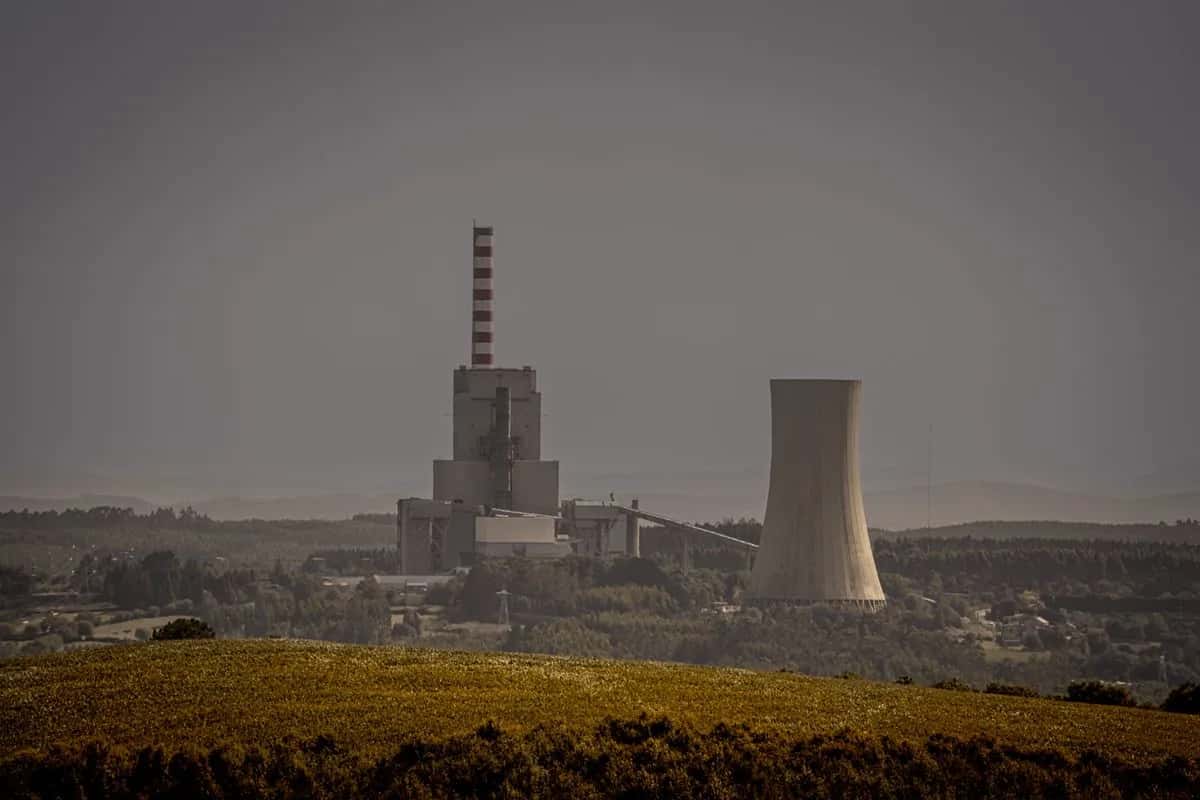
Table of contents
Artificial intelligence has a dirty little secret: it is incredibly hungry for power. Every chatbot answer, every generated image, and every AI agent runs in massive data centers that devour electricity on a staggering scale.
Now the biggest tech companies on Earth have made a surprising bet on how to feed that hunger: nuclear power. They are committing tens of billions of dollars to reactors, both old and new, in a race to keep the AI revolution running.
Here is why AI is going nuclear, what is actually being built, and what it means for the future of technology and energy.
Why AI Is So Power-Hungry
To understand the nuclear bet, you have to understand the appetite. Training and running advanced AI models requires enormous banks of specialized chips, and those chips run hot and draw huge amounts of electricity.
The scale is jarring: AI-focused facilities can require around 80 megawatts of power, more than double the roughly 32 megawatts a standard data center consumes. Multiply that across hundreds of facilities, and the demand becomes almost unimaginable.
We first sounded the alarm on this in AI's hidden energy crisis. The nuclear push is Big Tech's answer to that very problem.
Why Nuclear, and Why Now?
So why nuclear instead of more solar or wind? The answer comes down to one word: reliability.
Data centers need power that is constant (24 hours a day, 365 days a year) regardless of weather. Nuclear delivers exactly that: massive, steady, carbon-free electricity that does not stop when the sun sets or the wind dies.
For companies with aggressive climate goals and insatiable power needs, nuclear hits a rare sweet spot. It is clean and dependable at the same time, which is why it is winning out over intermittent renewables for this specific job.
The Billion-Dollar Deals
The commitments are staggering. Across a wave of deals, the major US hyperscalers have pledged over 9.8 gigawatts of nuclear capacity, backed by more than $50 billion in investment.
- Microsoft struck a landmark 20-year agreement to buy the full output of a famous reactor being brought back online.
- Amazon secured a multi-gigawatt deal from an existing nuclear plant and pledged billions in related investment.
- Meta leads by sheer volume, lining up agreements with multiple next-generation reactor developers for delivery in the 2030s.
This is the same build-at-all-costs energy that drove the Meta and Nvidia infrastructure alliance: only now aimed at the power grid itself.
The SMR Revolution
Here is where it gets futuristic. Much of the excitement centers on small modular reactors, or SMRs.
Unlike traditional gigawatt-scale plants that take a decade and billions to build, SMRs are designed to be smaller, factory-built, and faster to deploy. They can be sited closer to the data centers they power and financed more predictably.
Globally, technology companies have expressed interest in roughly 30 gigawatts of SMR capacity, with data centers the single largest driver of demand. For an authoritative overview of how these reactors work, the U.S. Department of Energy is a great resource. It is a genuine revival for an energy technology many had written off.
What It Means for the Future
This nuclear bet is bigger than data centers. By pouring billions into reactors, tech giants may accelerate a broader nuclear renaissance: funding innovation and rebuilding an industry that had stagnated for decades.
It also sits alongside the wider clean-energy shift we explored in investments in green energy. The irony is hard to miss: the AI boom, so often criticized for its energy appetite, could end up bankrolling the clean power of tomorrow.
The Challenges Standing in the Way
For all the excitement, the nuclear bet is not a sure thing. Several real hurdles could slow it down.
- Timelines. Even fast-tracked reactors take years to build and license, while AI's power demand is growing right now.
- Regulation. Nuclear projects face strict, lengthy approval processes that can delay delivery.
- Public perception. Concerns about safety and waste still shape how communities respond to new reactors.
- Unproven economics. Small modular reactors are promising but largely untested at commercial scale, so real-world costs remain uncertain.
None of these are dealbreakers, but together they mean the payoff is years away. In the meantime, tech companies will lean on a mix of sources, including natural gas and renewables, to bridge the gap. The nuclear vision is bold, but patience will be required before it fully powers the AI era.
Frequently Asked Questions
Why do AI data centers need so much power?
AI relies on large banks of specialized chips that run continuously and draw enormous electricity. AI-focused data centers can require more than double the power of a standard facility.
Why are tech companies choosing nuclear power?
Nuclear provides constant, carbon-free electricity around the clock, unlike intermittent solar or wind. That reliability makes it ideal for data centers that must run 24/7 while meeting climate goals.
What is a small modular reactor (SMR)?
An SMR is a compact nuclear reactor designed to be factory-built, deployed faster, and sited closer to where power is needed, compared with massive traditional plants that take years to construct.
How much are tech companies investing in nuclear?
Major US tech firms have collectively committed over $50 billion and more than 9.8 gigawatts of nuclear capacity to power their AI data center operations.
Is nuclear power for AI good for the environment?
Nuclear is a low-carbon energy source, so using it instead of fossil fuels can reduce emissions. It also funds innovation in clean energy, though issues like waste and safety remain part of the broader debate.
The Bottom Line
Big Tech's massive bet on nuclear power reveals just how serious the AI energy challenge has become, and how far companies will go to solve it. From reviving old reactors to funding futuristic SMRs, they are reshaping the energy landscape.
If it works, the AI era could become an unexpected catalyst for a cleaner, more reliable power grid. The technology that raised the alarm on energy may yet help answer it.
Written by
Nora Whitfield
Technology & AI
Covers the technology beat for Quick Trend Insights, with a focus on what new AI tools and consumer hardware actually change for the people using them.
Related Articles
View all
When an AI App Shuts Down, Who Gets Your Data?
When an AI app shuts down, your chat history becomes an asset in bankruptcy. See who can buy it, what the law actually protects, and the steps to take now.

Hardware Subscriptions Are Coming for Your Devices
Hardware subscriptions put features you already paid for behind a monthly fee. See what Meta and carmakers now charge, and three checks to run before you buy.

Passkeys Are Replacing Your Passwords Right Now
Passkeys cannot be phished or stolen in a breach, and 75% of people have one. Here is how they work and why your recovery flow is now the weakest link.