
Car Battery in Cold Weather: Why It Dies and How to Test
A car battery in cold weather loses about 60% of its strength at 0°F. Learn why it fails, how to test it at home with a multimeter, and when to replace it.
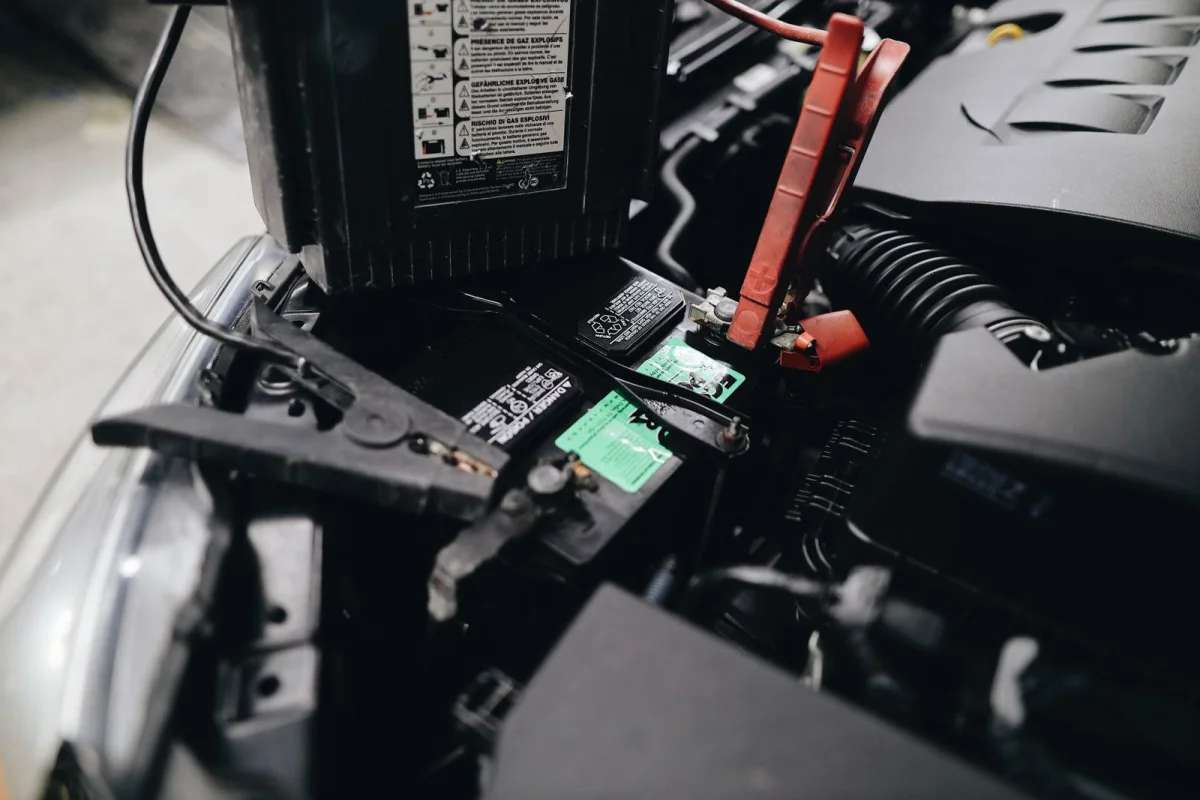
Table of contents
It is 6:40 on the first truly cold morning of the year. You turn the key, and instead of a quick start you hear a slow, groaning crank, then a click. Yesterday the car started fine. Your car battery in cold weather did not suddenly break overnight. The cold exposed a weakness that was already there.
The good news is that a failing battery usually warns you, and you can test it at home in five minutes with a cheap multimeter. This guide explains why cold drains starting power, how to read the numbers, and when replacing the battery before a freeze beats waiting for the tow truck.
Why a Car Battery in Cold Weather Loses Power
A lead-acid battery does not store electricity like a tank stores water. It makes current through a chemical reaction between lead plates and sulfuric acid. Like most chemical reactions, it slows down as the temperature drops.
That loss is big. AAA's Automotive Research Center puts it at about 35% of the battery's strength at freezing and about 60% at 0°F, figures repeated by AAA clubs in their winter guidance. So a battery with plenty of margin in summer can arrive at a January morning with less than half its usual punch.
The engine wants more at the same moment
Cold makes the engine harder to turn over. According to AAA, starting can take up to twice the normal current when temperatures fall. Supply falls while demand rises, and the gap between them is where no-start mornings come from.
A battery rarely dies from cold alone. Cold reveals the capacity that heat, age and short trips already took away.
Warning Signs to Watch Before It Fails
Most batteries give hints for days or weeks. AAA's lists of warning signs line up closely across clubs:
- A slow, labored crank or a click when you turn the key or press start
- Dim or flickering lights, especially headlights at idle, or a weaker horn
- Slow power windows, a radio that resets, or heated seats acting up
- Corrosion, swelling or a rotten-egg smell around the battery
- Age over three years, which AAA flags as the point to start testing
Short trips make all of this worse. Each start pulls a burst of energy, and a ten-minute drive may not give the alternator time to put it back. A car that sits for two weeks or more drains further, which is why AAA suggests a battery tender for cars parked through winter.
How to Test Your Car Battery at Home
You need a basic digital multimeter, which most hardware stores sell. The whole test takes about five minutes.
- Let the car rest. Park it for a few hours, ideally overnight, with everything off. A reading taken just after driving shows a misleading surface charge.
- Set the meter to DC volts on the 20-volt range.
- Touch red to positive, black to negative on the battery posts or the jump points under the hood.
- Read the resting voltage. About 12.6 volts means fully charged. A noticeably lower reading means the battery is low and needs a charge.
- Start the engine and read again. With the engine running, the reading should climb clearly above the resting figure. If it barely moves, suspect the alternator, not the battery.
Resting voltage reads slightly lower in the cold, so a reading a little under 12.6 on a frosty morning is not cause for panic. Recharge and retest before you condemn the battery.
Why voltage alone can fool you
A worn battery can show a healthy 12.6 volts and still collapse under load. Voltage tells you charge. It does not tell you capacity. That is why shops use a load or conductance test, which pulls current and watches what happens. The tester compares what the battery can actually deliver with its rating and gives a pass or replace result.
Cold Cranking Amps, Explained
The CCA number on your battery label is the single most useful figure for winter. It is the current a new, fully charged battery can deliver for 30 seconds at 0°F while staying above 7.2 volts. The rating traces to an industry standard set by the Battery Council International and SAE, as battery makers such as Optima explain.
Your owner's manual lists the minimum CCA your engine needs. Larger engines and diesels usually need more. Buying a battery below that figure saves a little money and costs you the margin you need on the coldest mornings.
A worked example with real numbers
Say your manual calls for 550 CCA, and you installed a 600 CCA battery four years ago. A shop conductance test now estimates it can deliver 420 CCA.
- Remaining capacity: 420 / 600 = 70% of what it had new
- Against your engine's need: 420 is 130 CCA short of the 550 your manual specifies
- Verdict: the battery may still start the car at 45°F, but it is already below spec on the 0°F conditions that CCA is measured at
Replace it now, on your schedule, rather than in a parking lot at dawn. AAA says batteries average three to five years, and modern cars full of electronics push that toward the low end.
How to Keep a Battery Alive Through Winter
You cannot change the weather, but you can cut the load and keep the battery charged:
- Park in a garage when you can. A few degrees warmer makes a measurable difference.
- Turn off lights, wipers and the heater before you shut the engine off, so they are not drawing power at the next start.
- Unplug phone chargers and dash cams when the car is parked.
- Clean corrosion from the terminals, or have a technician do it.
- Use a battery tender if the car will sit for two weeks or more.
Long idling is not a fix. Our look at how long to warm up your car in winter explains why a short warm-up followed by gentle driving beats ten minutes of idling in the driveway.
If it will not start: jump it in the right order
Connect the red clamp to the dead battery's positive post, then the other red clamp to the good battery's positive. Attach black to the good battery's negative, and the last black clamp to bare, unpainted metal on the dead car, away from the battery. Start the good car, wait a few minutes, then try yours.
Once it runs, keep driving for a while rather than shutting it off at the next stop. Then test the battery, because a car that needed one jump will likely need another.
Electric cars have a 12-volt battery too
EVs and hybrids carry a small 12-volt battery that powers the computers and door locks. If it dies, the car may not wake up, even with a full main pack. Cold also cuts how far the main pack takes you, as our guide to EV range in cold weather shows.
Frequently Asked Questions
At what temperature does a car battery die?
There is no single cutoff. Strength drops steadily as it gets colder, by about 35% at 32°F and about 60% at 0°F, according to AAA. A healthy battery copes with both. An old or undercharged one may fail at the first hard freeze.
How do I know if my car battery is bad or just cold?
Charge it fully, let it rest, and measure about 12.6 volts. Then have it load tested. If it holds a charge but fails the load test, the battery is worn out, not just cold.
How long does a car battery last in cold climates?
AAA says the average is three to five years, and heavy electronics or frequent short trips push it toward three. Start testing once a battery passes its third winter.
Can a dead car battery recharge itself?
No. A battery recovers some voltage as it warms, which is why a car may start in the afternoon. It still needs a proper charge from the alternator or a charger, and a weak one will fail again on the next cold morning.
Test It Before the Freeze, Not After
Cold mornings do not kill healthy batteries. They expose tired ones. Five minutes with a multimeter, a load test at a parts store or shop, and a look at the CCA figure in your manual will tell you whether yours is ready.
If it is close, replace it this week. Swapping a battery in your driveway costs less time, and less stress, than a no-start on the coldest morning of the year. While you are prepping for winter, check whether it is time for winter tires instead of all-seasons too.
Written by
Marcus Vance
Business & Money
Writes on business and personal finance for Quick Trend Insights, translating markets, rates, and company strategy into what it costs or saves a household.
Related Articles
View all
Takata Airbag Recall: How to Check Your Car Now
The Takata airbag recall now covers 1.1 million more Honda and Toyota cars, some fixed once already. Check your VIN and see what to do while parts are pending.

Lease Buyout: When Buying Your Leased Car Pays Off
A lease buyout can save thousands or quietly overpay. Compare your residual with market value, see the fees that matter and why EV leases flipped lately.
Winter Tires vs All-Season: When the Switch Pays Off
Winter tires vs all-season tires: why 45°F matters more than snow, what the snowflake symbol means, and the real yearly cost of running a second set of tires.