
Rent Freeze: Who Really Pays When Rents Stop Rising
A rent freeze saves NYC stabilized tenants about $605 a year, but costs rose 5.3%. See the math on both sides of the lease and who ends up paying the bill.
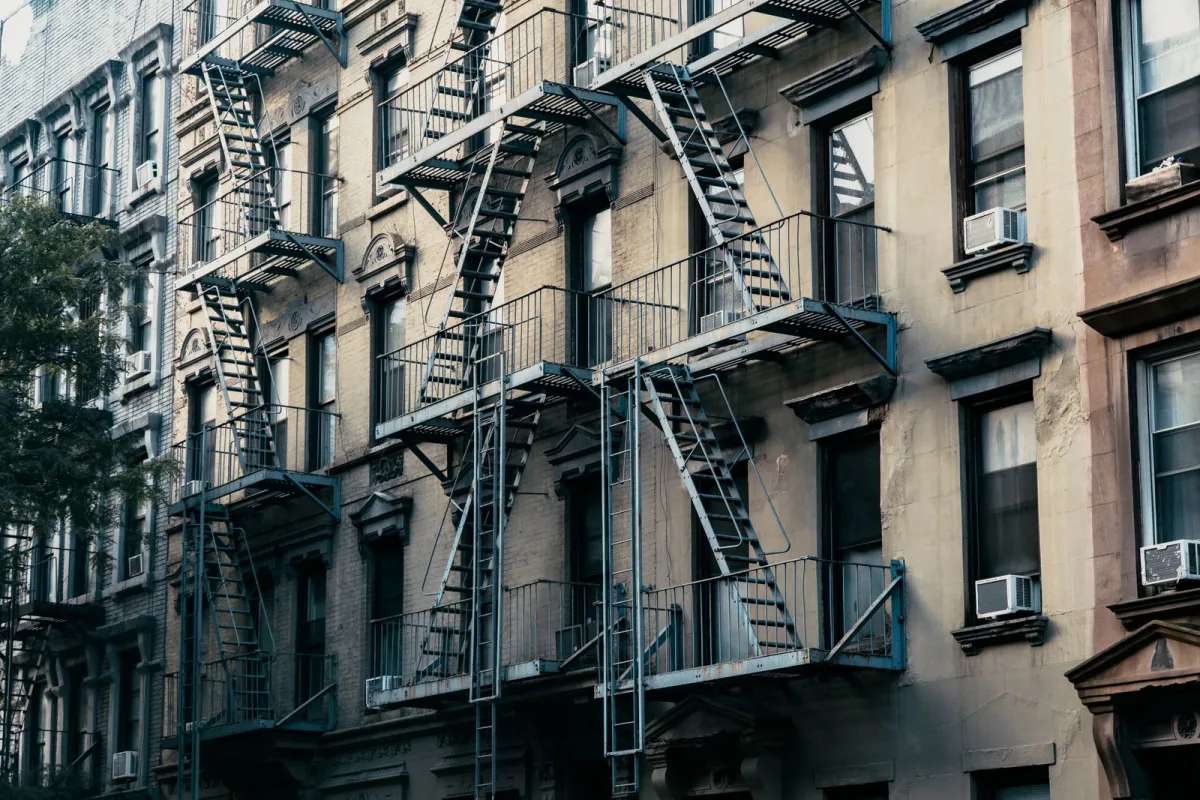
Table of contents
Picture your lease renewal letter arriving this winter. Last year it asked for 3% more. This year the new number matches the old one, to the dollar. For about a million rent-stabilized apartments in New York City, that is now settled: on November 25 a Manhattan judge upheld the city's rent freeze and threw out a landlord lawsuit against it.
A rent freeze sounds like pure relief, and for the tenant holding the lease it mostly is. But rent pays for heat, repairs, taxes and insurance, and none of those stopped rising. Somebody absorbs the difference.
This guide walks through what the New York rent freeze does, the math on both sides of the lease, and what economists have found about who ends up paying when rents are held flat.
What the New York Rent Freeze Actually Does
New York does not cap all rents. It caps increases on rent-stabilized apartments, a regulated slice of older buildings, and the Rent Guidelines Board sets the maximum each year. The board puts the stock at roughly one million units. Tenant groups say about 2.4 million people live in them.
On June 25, the board voted 7 to 1 for its Order 58. The terms, from the board's published order:
One-year renewals: 0% for leases starting October 1 through September 30 of next year.
Two-year renewals: also 0%, a first for the board.
The previous year: 3% for one-year leases and 4.5% for two-year leases.
The board has frozen one-year leases before, in 2015, 2016 and 2020. It had never held both terms at zero. That is why landlords sued in July, arguing the vote followed Mayor Zohran Mamdani's campaign promise rather than the data.
Why the Judge Let the Rent Freeze Stand
Justice Brendan Lantry of the State Supreme Court in Manhattan did not rule on whether a freeze is good policy. He ruled on whether the board had a rational basis for it, which is the legal test for this kind of challenge.
According to amNewYork and HousingWire, he found the board's 42-page explanatory statement covered every factor the law requires. He called the mayor's campaign promise "reckless and irresponsible" and said an email between the board chair and a City Hall aide cast a "dark shadow" over the board's independence. Neither was enough to overturn the vote.
HousingWire reports the judge also acknowledged the freeze could make refinancing or renovation harder for owners. That line points at the real economic question, which the court left alone.
The Tenant Math: What a Rent Freeze Saves You
The board's latest Income and Expense Study puts average collected rent at $1,681 a month in buildings with stabilized units. Use that as the baseline.
Worked example, one-year lease. Under last year's 3% guideline, your rent would have risen by $50.43 a month. Over twelve months, the freeze keeps about $605 in your pocket.
Worked example, two-year lease. Last year's 4.5% guideline would have added $75.65 a month for the full 24 months. The freeze saves you about $1,815 over the lease.
Now add inflation. The consumer price index rose 3.7% over the year to September, according to the Bureau of Labor Statistics. A flat rent in that environment is a real rent cut of roughly 3.6%, because each dollar you pay is worth less. To see how that gap compounds if prices keep rising, run your rent through the inflation calculator.
The Landlord Math: Costs Did Not Freeze
The board publishes a Price Index of Operating Costs every spring. Its April report found costs for buildings with stabilized apartments rose 5.3% over the year. The components moved very differently:
Fuel: up 11.0%, the largest increase.
Insurance: up 10.5%.
Maintenance: up 6.0%.
Utilities: up 5.6%.
Labor: up 3.0%.
Real estate taxes: up 2.6%.
Worked example, the owner's side. The Income and Expense Study puts average operating costs at $1,203 per unit per month and net operating income, the money left after running costs, at $688. Apply a 5.3% cost increase with rent flat. Costs rise by about $64 a month per unit. Net operating income falls to roughly $624, a drop of about 9%.
That is an illustration, since the cost study and the income study cover different periods. But the board's own staff ran the formal version. Its "Net Revenue" formula found owners needed 3.75% on one-year leases and 6.25% on two-year leases just to keep net operating income level. The board chose zero.
Who Really Pays for a Rent Freeze
The cost does not vanish. It lands in a few predictable places, and economists have studied each one.
The building itself
The first cushion is maintenance. When income falls behind costs, repairs get deferred. The board reports that 9.2% of buildings with at least one stabilized unit already had negative net operating income before the freeze. Those owners have no margin left to absorb a 5.3% cost rise. The Small Property Owners of New York, one plaintiff group, said the freeze would push more small owners "to the edge of the cliff."
The squeeze is uneven. According to amNewYork, the board found net operating income rose 6.2% across buildings with any stabilized units but only 2.4% in fully stabilized ones. Mixed buildings can lean on their market-rate units. Older, fully regulated buildings cannot.
Future renters
The best-known research comes from San Francisco. Stanford economist Rebecca Diamond and co-authors studied a 1994 law that extended rent control to small older buildings. Covered tenants were about 19% less likely to move, and the protection helped them stay. But landlords cut the rental supply in those buildings by 15%, largely by converting to condos and redeveloping.
New York's case differs. Stabilized units are already regulated, and the 2019 Housing Stability and Tenant Protection Act tightened the rules on how those rents can rise, even between tenants. So the San Francisco supply loss is unlikely to repeat directly. The likelier pressure is quieter: less renovation, slower turnover, and fewer stabilized apartments coming back to market after a tenant leaves.
Market-rate tenants
If you rent an unregulated apartment, the freeze does not touch your lease. Stabilized tenants who stay put longer also mean fewer apartments turning over citywide, which tightens the market you search in. Our guide to why winter gives renters the upper hand at lease renewal covers how to use timing in that market.
What a Rent Freeze Means If You Rent Anywhere Else
Most US renters live under no rent regulation at all, so the New York ruling changes nothing about your next renewal. It does show the tradeoff any city faces when it holds a price below its cost: short-term relief for current tenants, long-term strain on the housing that serves them.
Two practical points travel well. First, if you are weighing whether to keep renting at all, our breakdown of the rent or buy break-even math calculators miss shows how a frozen or slow-rising rent changes that comparison. Second, a rent you can predict for two years is worth something on its own, which is why a two-year freeze matters more than the headline percentage suggests.
Frequently Asked Questions
Is the NYC rent freeze still in effect?
Yes. The freeze has applied to stabilized leases starting on or after October 1, and the November 25 ruling dismissed the landlords' challenge. The landlords' lawyer said they were weighing next steps, so an appeal is possible.
Does the NYC rent freeze apply to market-rate apartments?
No. It covers only rent-stabilized apartments, which the Rent Guidelines Board puts at about one million units. Market-rate leases are not capped, and landlords can set renewal rents freely.
How long does the rent freeze last?
The order covers leases that begin between October 1 and September 30 of next year. A one-year lease signed in that window stays flat for a year, and a two-year lease stays flat for two years.
Do rent freezes reduce housing supply?
Research from San Francisco found that extending rent control cut the rental supply in covered buildings by 15%. New York's stabilized stock is already regulated and harder to convert, so the more likely effect is deferred repairs and fewer units returning to market.
Relief Now, a Bill Later
The New York rent freeze gives a stabilized tenant real money: roughly $605 a year on a one-year lease and about $1,815 across a two-year one. In a year of 3.7% inflation, that is a genuine cut in what housing costs.
The bill shows up in buildings, not on your lease. Costs rose 5.3%, nearly one in ten stabilized buildings was already losing money, and the board's own formula called for increases of 3.75% to 6.25%. Watch the next guideline vote in June. Whether the board holds at zero again will show whether this is a one-year breather or a lasting shift.
Disclaimer: This article is for informational purposes only and does not constitute financial advice. Always consult with a qualified financial advisor before making investment decisions. Past performance is not indicative of future results.
Written by
Marcus Vance
Business & Money
Writes on business and personal finance for Quick Trend Insights, translating markets, rates, and company strategy into what it costs or saves a household.
Related Articles
View all
PCE Inflation: Why the Fed Watches It Over CPI
PCE inflation hit 3.8% in October. Learn why the Fed watches it over CPI, why core PCE now runs hotter, and what it costs a household spending $5,000 a month.
Global Rate Hikes: Why Central Banks Are Raising Again
Global rate hikes are back as the Fed, ECB, Bank of England and others tighten together. Learn why, how far rates may go, and what it costs your mortgage.

MSME Loans: Why the RBI Wants Banks to Lend Small
MSME loans are in focus after the RBI Governor urged banks to lend small. See the credit gap, the ₹20 lakh collateral-free rule and what changes for you.