
Real vs Artificial Christmas Tree: The Break-Even Math
Real vs artificial Christmas tree: a $250 fake beats a $90 real tree by year three, if you keep it. The cost math, tariff effect and carbon break-even.
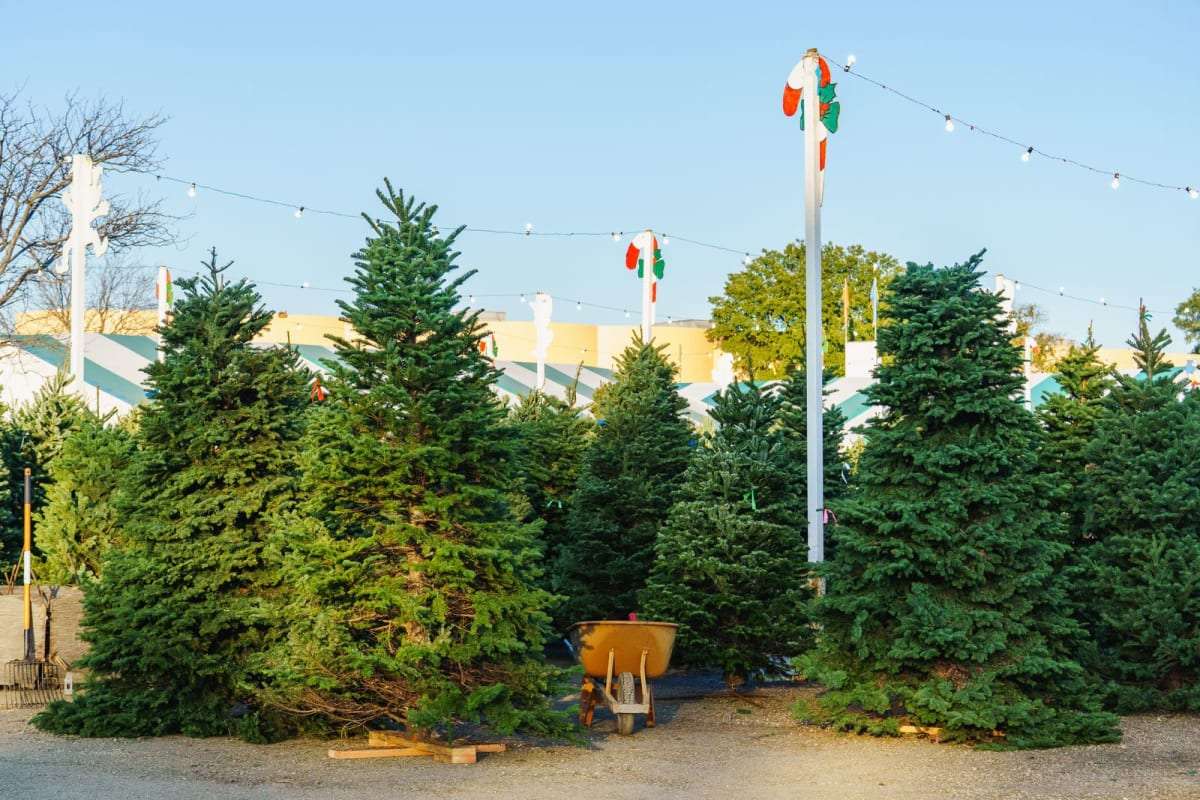
Table of contents
It is the weekend after Thanksgiving, and you are standing in a tree lot holding a tag that says $95. Your partner points out that the artificial tree at the big-box store costs $250 and would last a decade. You both run the numbers in your heads and come up with different answers.
The real vs artificial Christmas tree question is a break-even problem, and it has a clear answer once you put in your own prices and how long you will actually keep the fake one. The same logic applies to the carbon footprint, with one twist most people miss. This guide runs both calculations with current prices so you can settle the argument before the lot closes.
What each option costs now
Start with the price tags, because both sides have moved.
These are last season's prices, the latest published figures, so treat them as a guide rather than this year's tag.
Real trees. Fox Television Stations reported last season's national average of roughly $80 to more than $100 for a farm-grown tree, depending on size and species. City prices run higher. Growers have signalled stable supply: in a survey by the Real Christmas Tree Board, reported by ABC News, 84% of wholesale growers said they did not plan to raise wholesale prices.
Artificial trees. Prices at Target, Walmart and Amazon run from about $64 to over $600, depending on height and whether lights are built in. Tariffs have pushed these up. The American Christmas Tree Association, the trade group for artificial tree sellers, estimated a 10% to 20% increase. That matters because, according to US Census Bureau figures cited by ABC News, 88% of artificial Christmas trees, ornaments and decorations imported came from China.
Most households have already chosen. An October survey by the same association found about 83% of households planning a tree would pick an artificial one.
The real vs artificial Christmas tree break-even math
The question is simple: in which year does the fake tree's one-time cost drop below what you would have spent on real trees?
Take a mid-range example. A real tree costs $90 a year. A 7.5-foot artificial tree costs $250, bought once.
- Year 1: real $90, artificial $250. Real is cheaper by $160.
- Year 2: real $180 total, artificial $250. Real still cheaper by $70.
- Year 3: real $270 total, artificial $250. Artificial pulls ahead by $20.
- Year 10: real $900 total, artificial $250. Artificial saves $650.
So a $250 artificial tree pays for itself in its third Christmas. The formula works for any prices: divide the artificial tree's price by the yearly cost of a real one. Here, $250 divided by $90 is 2.8 years.
How tariffs and fancier trees shift the answer
Change the inputs and the break-even moves fast:
- A tariff-inflated $300 tree: $300 divided by $90 is 3.3, so the payoff comes in year four.
- A $600 pre-lit tree: $600 divided by $90 is 6.7, so you need seven Christmases to come out ahead.
- A $60 real tree from a cheaper lot: a $250 artificial tree now takes 4.2 years, so you need five Christmases.
Real tree prices also rise over time, which favours the artificial tree. You can see how much with our inflation calculator: put in today's $90 and see what the same tree costs in ten years at a steady inflation rate.
The costs the price tag leaves out
A fair comparison counts the extras on both sides:
- Real tree: a stand (a one-time purchase that lasts years), and in some areas a fee for collection or disposal after the holidays. Many cities collect trees for free, so check yours.
- Artificial tree: storage space for 11 months, and the risk that built-in lights fail before the branches wear out. If you have to replace a pre-lit tree early, the break-even resets.
- Both: the lights. Our piece on Christmas lights electricity costs shows that LED strings cost far less to run than older ones, whichever tree they go on.
The years you actually keep it decide everything
Here is the part that breaks most calculations. The math above assumes you keep the artificial tree for a decade. Many people do not.
The Fox Television Stations report cites industry figures that most owners use an artificial tree for about 10 years on average. But it also cites a survey in which 62% of owners plan to keep their tree for up to six years. People move, upgrade to a taller model, or tire of the look.
If you keep a $250 tree for six years, it still wins: six real trees at $90 would cost $540. If you replace it after two years, you have spent more than two real trees would have cost and still need a new tree. Be honest about your habits before you buy on the "lasts ten years" promise.
The carbon footprint: same break-even logic
The environmental question works the same way. An artificial tree carries a big one-time footprint from plastic and metal manufacturing and shipping. A real tree carries a smaller footprint every year.
The most-cited estimate comes from a 2018 life-cycle assessment commissioned by the American Christmas Tree Association, reported by TIME. It put an artificial tree's lifetime footprint at about 18.6 kg of carbon dioxide. The same study found an artificial tree matches a farmed tree's impact if you reuse it for at least five years.
Treat that figure with care. The study was paid for by the artificial tree industry. Estimates differ widely: National Geographic reports that they range from five years to two decades, depending on how often the fake tree is reused and whether the real tree is recycled.
Disposal is the twist
A real tree's footprint depends mostly on what happens after Christmas. TIME reported a range of about 5 to 50 kg of carbon dioxide for a farm-grown tree, mostly driven by disposal. A tree chipped into mulch or composted keeps its footprint low. One that ends up in landfill or a fire releases more of its stored carbon.
So the greenest choices are at the extremes. Keep an artificial tree for many years, or buy a real tree from a local farm and make sure it goes to your city's chipping or composting programme.
Which one should you buy?
Use the two numbers that matter most: how many years you will keep an artificial tree, and what a real tree costs you each year.
- Buy artificial if you will keep it at least five years, have storage space, and pay more than about $50 a year for real trees (the $250 tree divided by five years).
- Buy real if you move often, lack storage, have a cheap local supply, or love the scent and ritual enough to pay for it.
- Either way, a real tree needs water every day. Our guide to Christmas tree care explains why a dry tree is a fire risk.
Frequently Asked Questions
Is it cheaper to buy a real or artificial Christmas tree?
Over several years, artificial is usually cheaper. A $250 artificial tree costs less than buying a $90 real tree each year from the third Christmas onward. In the first two years, a real tree is cheaper.
How many years do you need to use an artificial Christmas tree?
To beat real trees on cost, divide the artificial tree's price by what you pay for a real tree each year. That is about three years for a $250 tree against $90 real ones. To match a real tree's environmental impact, an industry-funded study suggests at least five years.
Are real Christmas trees better for the environment?
It depends on disposal. A locally grown tree that is chipped or composted has a small footprint. An artificial tree reused for many years can match or beat it. Estimates of the break-even range from five years to two decades.
Why are artificial Christmas trees more expensive this year?
Tariffs on imports from China. The American Christmas Tree Association estimated artificial tree prices would rise 10% to 20%, and Census data show most artificial trees and decorations are imported from China.
Do the math once, then enjoy the tree
The real vs artificial Christmas tree debate gets heated, but the answer is arithmetic. Divide the artificial tree's price by your yearly real-tree cost, then compare that to the number of years you will honestly keep it. If the second number is bigger, buy the artificial tree and keep it as long as you can. If not, buy a real one and send it to the chipper in January. Either way, you will have settled the argument before the lot runs out of good trees.
Disclaimer: This article is for informational purposes only and does not constitute financial advice. Always consult with a qualified financial advisor before making investment decisions. Past performance is not indicative of future results.
Written by
Priya Raman
Health & Living
Covers health, wellness, and everyday living for Quick Trend Insights, with an interest in separating what the research supports from what the marketing claims.
Related Articles
View all
Holiday Tipping: Who to Tip First When Your Budget Is Tight
Holiday tipping adds up fast. Who Americans actually tip, the $20 limit on gifts for mail carriers, and how to trim a $370 tip list to $300 without guilt.
Fake Black Friday Deals: How 'Was' Prices Inflate Savings
Fake Black Friday deals rarely lie about today's price, only yesterday's. What 'was' prices must legally mean and a 2-minute check to find your real discount.
Package Theft: Who Pays When Your Box Goes Missing
Package theft hits 3 in 10 Americans. Learn who owes you when a delivered box vanishes, the 60-day card dispute rule, and when a lockbox pays for itself.