
Beef Prices: Why the Cattle Herd Keeps Them High
Beef prices stay high because the US cattle herd is at a 75-year low. See what USDA data says comes next and how swapping cuts saves you $100 or more a year.
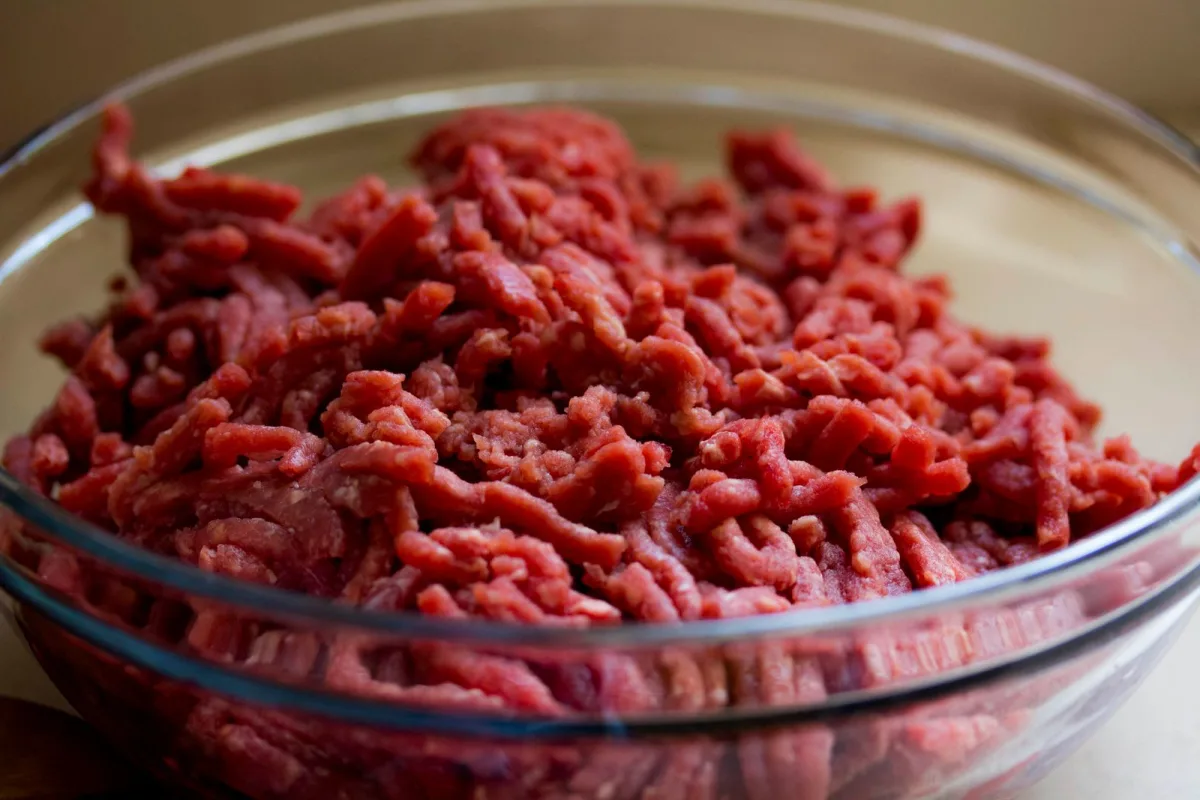
Table of contents
You pick up a two-pound pack of ground beef for taco night and the sticker reads $13.50. Six years ago the same pack cost about $8. Nothing about the meat changed. What changed is the number of cows in America, and that number moves slower than almost anything else in your grocery cart.
Beef prices have stayed high for so long that it is fair to ask when they will come down. The honest answer from the government's own forecasters is: not soon. This guide explains why the cattle herd keeps beef expensive, what the latest federal data shows, and how much you can save by changing which cuts and proteins you buy.
What Beef Prices Look Like Right Now
The Bureau of Labor Statistics tracks average retail prices across US cities every month. In October, 100% ground beef averaged $6.76 a pound. It peaked at $6.92 in August and has eased slightly since, but it is still 7% above where it sat in September of last year. October of last year has no reading, because the federal shutdown interrupted data collection.
Steaks have climbed further in dollar terms. Boneless USDA Choice sirloin averaged $13.85 a pound in October, and boneless chuck roast averaged $9.08. Compare that with boneless chicken breast at $4.10, a price that has barely moved all year.
The USDA's Economic Research Service, which publishes the government's food price forecasts, expects beef and veal prices to finish the year 9.0% higher than last year. Beef is one of seven grocery categories, out of the 15 the ERS tracks, that it expects to rise faster than their 20-year average pace. If you want to see what that does to a fixed budget, our inflation calculator shows how fast a 9% rise compounds.
Why the Cattle Herd Is So Small
Everything starts with the cow herd. The USDA's National Agricultural Statistics Service counts cattle every January. On January 1 it found 86.2 million cattle and calves in the country, slightly below 86.5 million a year earlier. Beef cows, the mothers that produce every future steak, numbered 27.6 million, down 1%.
Extension economists at Clemson University call that inventory a 75-year low. The 2025 calf crop came in at 32.9 million head, down 2%, so there were fewer young animals in the pipeline as well.
Ranchers did not shrink their herds on a whim. Several years of drought in key cattle states burned up pasture and pushed feed costs higher, and many producers sold cows they could no longer afford to feed. Each of those sales added beef to the market in the short term. It also removed a cow that would have produced a calf every year for years to come.
The Rebuilding Trap: Why Growth Cuts Supply First
Here is the part that surprises most shoppers. When ranchers finally start rebuilding, beef supply drops before it rises.
The reason is simple biology. A young female, called a heifer, can either go to a feedlot and become beef or stay on the ranch and become a mother. The Economic Research Service notes that when the herd begins to expand, fewer cows and heifers are sent to slaughter, which shrinks the supply of beef in the near term. Every heifer held back today is beef that does not reach your store this year.
That process has started. The January count showed beef replacement heifers up 1% to 4.71 million, the first increase since the January 2021 report, according to Clemson's analysis. The ERS said in October that feedlot placements remain at historically low levels, partly because of that retention.
How long the pipeline takes
A heifer kept back has to be bred, carry a calf through a lengthy gestation, and raise it. Then that calf must grow before it becomes beef. The ERS describes the later stages: calves are usually weaned at 3 to 7 months, may graze for another 3 to 4 months, and then spend 90 to 300 days in a feedlot. Stack those steps and a decision a rancher makes today shows up as ground beef roughly two to three years later.
This is why the ERS describes beef as moving in a cattle cycle of about 8 to 12 years, from expansion through peak and decline. Hogs and chickens reproduce far faster, which is why pork and poultry prices recover in months rather than years.
What the USDA Expects Next
The forecasts point to tight supply well into next year. In its October livestock outlook, the ERS projected US beef production of 24.80 billion pounds this year and 24.68 billion pounds next year, a small further decline. It expects a slow slaughter pace to continue through 2027.
Imports are filling some of the gap. US beef imports from January through August reached 4.36 billion pounds, up about 14% from 3.81 billion pounds in the same months last year, with Australia the largest supplier. The USDA has also begun reopening ports to Mexican cattle in phases, with Santa Teresa, New Mexico reopening on September 24. The ERS says those imports will offset only part of the decline.
Meanwhile, wholesale beef prices in October were 6.0% higher than a year earlier, according to the ERS. Wholesale costs usually reach store shelves with a lag, which is the same pattern we described in what rising wholesale prices mean for your cart.
What Higher Beef Prices Cost Your Household
Numbers per pound feel abstract until you multiply them out. Take a household that buys two pounds of ground beef a week, or 104 pounds a year.
- At October 2020 prices ($4.01 a pound), that came to about $417 a year.
- At October's prices ($6.76 a pound), it costs about $703 a year.
- The difference is roughly $286 a year for the same food.
That gap is one reason why grocery costs have felt worse than the headline numbers, a pattern we explored in why your grocery bill beats the inflation rate.
How to Pay Less Without Giving Up Beef
You do not have to stop buying beef. You just need to know where the price gaps are. Using October's BLS averages, here is what a 4-ounce raw portion costs:
- Sirloin steak: about $3.46
- Chuck roast: about $2.27
- Round roast: about $2.09
- Ground beef: about $1.69
- Boneless chicken breast: about $1.02
Swap the cut, not the meal
Chuck and round cost far less than sirloin because they come from harder-working muscles. They need slow cooking, braising or thin slicing, but they deliver the same beef flavor. If your household has a two-pound steak night once a month, switching from sirloin to chuck saves about $114 a year at October's prices.
Stretch ground beef
Mixing ground beef half and half with lentils, beans or mushrooms in tacos, chili or pasta sauce halves the beef cost of the dish. Swapping one of your two weekly pounds of beef for chicken breast saves about $138 a year on its own.
Many households are already doing this. The ERS projects chicken consumption per person to rise nearly 4% this year as shoppers move away from high-priced beef, while beef consumption slips slightly.
Buy on sale and freeze
When your store runs a sale on family packs, buy extra and freeze it in meal-sized portions to lock in the lower price. A chest freezer only pays off if you actually rotate the stock, so start with the freezer you already have.
Frequently Asked Questions
Why are beef prices so high right now?
The US cattle herd is at its smallest level in about 75 years after drought and high feed costs pushed ranchers to sell cows. Fewer cows mean fewer calves and less beef. As ranchers now hold back heifers to rebuild, supply tightens further in the short run.
When will beef prices go down?
Probably not soon. The USDA's Economic Research Service expects beef production to fall slightly again next year, to about 24.68 billion pounds. Because a retained heifer takes roughly two to three years to translate into beef, meaningful relief depends on several years of herd growth.
Is ground beef cheaper than chicken?
No. In October, ground beef averaged $6.76 a pound and boneless chicken breast averaged $4.10, according to the Bureau of Labor Statistics. Per 4-ounce portion, that is about $1.69 for beef versus $1.02 for chicken.
What is the cheapest cut of beef to buy?
Among the cuts the BLS tracks, ground beef and round roast are usually the cheapest per pound, followed by chuck roast. Chuck and round work best braised, slow cooked or sliced thin, and they cost far less than sirloin or ribeye.
The Bottom Line on Beef Prices
Beef prices are high because the herd is small, and the herd stays small because rebuilding it takes years of biology that no policy can rush. Expect tight supply through next year, with imports softening the blow rather than reversing it.
Your best defense is mix and timing. Trade sirloin for chuck, stretch ground beef with beans, buy roasts on sale, and let chicken carry a meal or two each week. Those small swaps can put a few hundred dollars back into your grocery budget while ranchers slowly rebuild the herd.
Written by
Priya Raman
Health & Living
Covers health, wellness, and everyday living for Quick Trend Insights, with an interest in separating what the research supports from what the marketing claims.
Related Articles
View all
Package Theft: Who Pays When Your Box Goes Missing
Package theft hits 3 in 10 Americans. Learn who owes you when a delivered box vanishes, the 60-day card dispute rule, and when a lockbox pays for itself.

How Long Does It Take to Form a Habit? Not 21 Days
How long does it take to form a habit? Research says about 66 days, not 21. See the real timeline, why most people quit early, and five ways to speed it up.
Thanksgiving Leftovers: How Long They Last in the Fridge
Thanksgiving leftovers keep 3 to 4 days in the fridge, per the USDA. Get the day-by-day plan, the 2-hour rule, and how to freeze and reheat them safely.