
Reheating Rice: Why Leftover Rice Can Make You Sick
Reheating rice is not the danger. The toxin forms while rice cools slowly. Here is the one-hour rule, the UK vs US storage gap and how to keep leftovers safe.
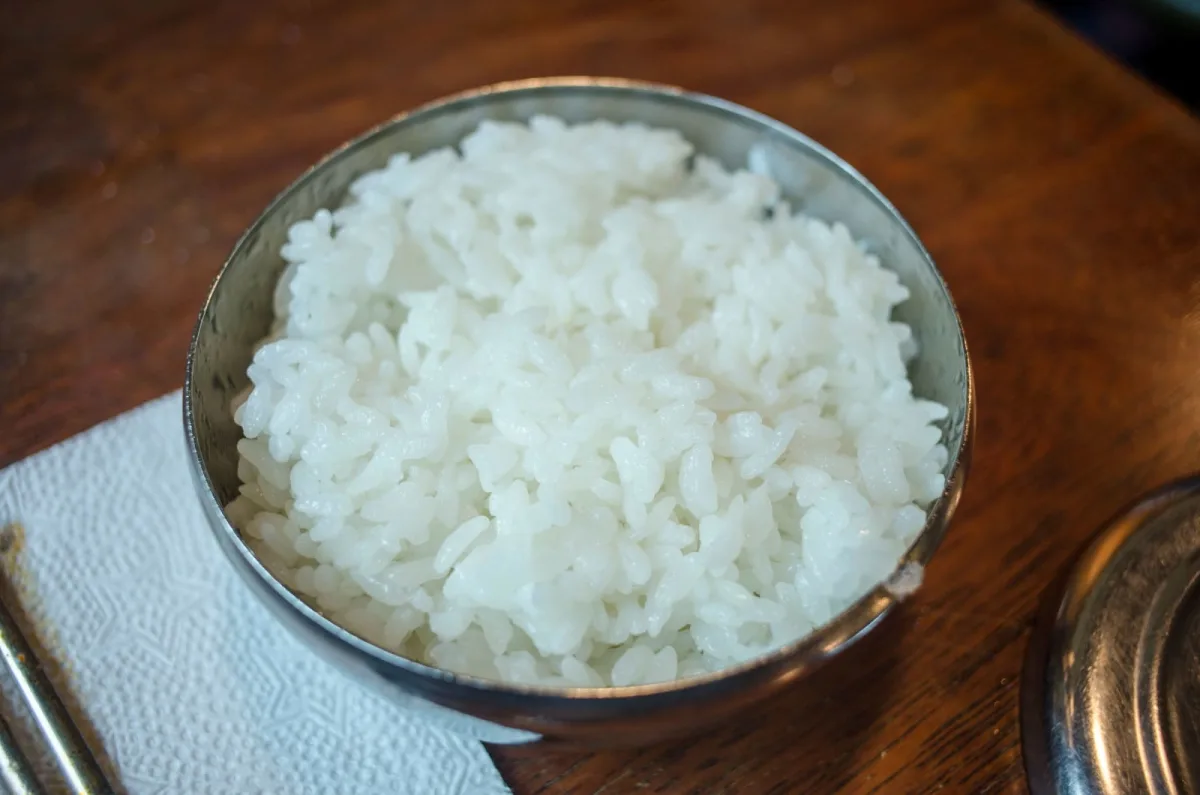
Table of contents
You cook a big pot of rice on Sunday night, eat half, and leave the pot on the stove while you clean up and watch a show. At midnight you remember it, put the lid on, and slide it into the fridge. On Wednesday you microwave a bowl for lunch. Most weeks nothing happens. But reheating rice that sat out like that is one of the more reliable ways to give yourself a few hours of vomiting, and the microwave does nothing to stop it.
The reason is not the reheating at all. It is what happened in the pot during those hours on the stove. Once you see the mechanism, the rules from food safety agencies stop sounding fussy and start sounding like simple timing.
Why Reheating Rice Is a Timing Problem, Not a Heat Problem
Raw rice grows in soil, and soil carries Bacillus cereus. The bacterium protects itself by forming spores, which are tough dormant cells. Food Standards Scotland notes that these spores can survive normal cooking, so a freshly cooked pot of rice can still hold living spores.
Hot rice is not the danger. Neither is cold rice. The risk sits in the long, slow middle, when a pot drifts from steaming down to room temperature over several hours. That warm, moist, starchy food is close to ideal for the spores to germinate and multiply.
Here the problem gets nasty. As the bacteria grow, one strain makes a toxin called cereulide. University of Florida food safety extension material puts the best temperature range for making that toxin at 77°F to 86°F (25°C to 30°C), which is roughly a warm kitchen. The same source says the toxin is so heat stable that food would need to be held at 249°F (121°C) for more than 80 minutes to inactivate it.
Your microwave gets the rice to about boiling for a minute or two. That kills many of the bacteria, but the toxin they already made is still there. You eat it, and the clock starts.
What Fried Rice Syndrome Feels Like
The illness from this toxin has a nickname among food scientists: fried rice syndrome. The University of Florida material links the vomiting form of Bacillus cereus mostly to starchy foods kept at the wrong temperature, with fried rice as the classic case. Restaurants often cook rice in bulk and leave it out to dry before frying it the next day.
- Onset: about 1 to 6 hours after eating, which is faster than most food poisoning.
- Main symptoms: nausea and vomiting, sometimes with cramps.
- Duration: usually less than a day for healthy adults.
Because it is short and messy, most people never see a doctor. That is why the official numbers are estimates. The CDC's foodborne illness burden model, published by Scallan and colleagues, puts domestically acquired Bacillus cereus illness in the United States at about 63,400 cases a year, with a wide range of uncertainty around that figure. If symptoms are severe, if you cannot keep fluids down, or if the person sick is very young, old or pregnant, call a clinician rather than waiting it out.
The UK Says One Day, the US Says Four. Who Is Right?
Read British and American advice side by side and you get two very different answers. That gap confuses people, and most guides skip it.
The UK rule for rice specifically
Food Standards Scotland tells you to cool cooked rice as quickly as possible, ideally within one hour, then keep it in the fridge and eat it within 24 hours. It also says to reheat rice only once and to make sure it is steaming hot all the way through. UK councils repeat the same one day limit in their own food safety leaflets.
The US rule for leftovers in general
The USDA's Food Safety and Inspection Service gives a broad rule for cooked leftovers: refrigerate within two hours (one hour if the room is above 90°F) and use them within 3 to 4 days. It defines the danger zone as 40°F to 140°F, where bacteria grow fastest. Rice is not singled out.
These rules do not contradict each other as much as they look. The US rule assumes the food went into a cold fridge quickly. The UK rule adds a safety margin for one food that carries a heat proof toxin risk. If your rice cooled fast and your fridge runs at 40°F or below, the bigger danger came before the fridge, not after. If you are not sure how long it sat out, the shorter UK window is the safer bet.
A Worked Example: Sunday Meal Prep, Two Ways
Say you cook 3 cups of dry rice at 7 p.m. on Sunday. That makes roughly 9 cups cooked, enough for six lunches. Here is how two versions of the same evening play out.
Version A: the pot on the stove
You leave the rice in the pot with the lid on. A deep pot of rice holds heat for hours, so the middle stays in that 77°F to 86°F toxin zone for a long stretch. You put it in the fridge at 11 p.m., four hours later. By the USDA's own two hour rule, this batch should already be thrown out. Reheating it on Wednesday does not help, because any toxin formed on Sunday night is still in it.
Version B: spread, chill, freeze
You spread the rice on a tray at 7:15 p.m., let the steam escape for about 20 minutes, then split it into six flat containers. They go into the fridge by 8 p.m., well inside the one hour target. You keep two portions in the fridge for Monday and Tuesday and freeze the other four. Those frozen portions keep their quality for 3 to 4 months under USDA guidance.
Binning Version A throws away six lunches and the time you spent cooking them. Version B costs one tray and about 15 extra minutes. The same habit pays off across every batch you cook, much like the rules in our guide to how long Thanksgiving leftovers last in the fridge.
How to Cool, Store and Reheat Rice Safely
The whole game is getting rice through the warm zone fast, then keeping it cold. These steps come straight from the agency advice above.
- Get it out of the pot. Food Standards Scotland says to take rice out of the cooker, steamer or pan, because the pot keeps it warm.
- Spread it thin. Shallow containers or a tray cool far faster than a deep mound.
- Split big batches. Smaller portions cool quicker and let you reheat only what you will eat.
- Fridge as soon as it stops steaming. Aim for under an hour from cooking.
- Freeze anything past tomorrow. Flat freezer bags stack well and thaw quickly.
- Reheat once, until steaming. Stir halfway through microwaving so no cold spots remain.
A rice cooker's keep-warm setting is a different case. It is designed to hold rice hot, and the USDA treats food held at 140°F or above as outside the danger zone. Trouble starts if the cooker is switched off and the rice sits inside it for hours, because then it cools slowly in exactly the range you are trying to avoid.
Leftover Rice Mistakes That Smell Fine
You cannot rely on your nose here. The toxin does not change how rice smells or looks. Rice that made someone sick can seem perfectly normal.
- Takeout left in the bag overnight. Restaurant rice may already have sat warm before it reached you. Fridge it the moment you get home.
- Fried rice made from old rice. Day-old rice is great for texture, but only if it went into the fridge fast the night before.
- Cold rice salads and sushi rice. Eating rice cold is fine if it cooled quickly and is eaten within a day. The reheating step was never the protection.
- Reheating twice. Each warm-up and cool-down gives surviving spores another window.
Power cuts are a related risk. If your fridge was off for hours, cooked rice is one of the first things to throw away. Our guide on how long food stays safe in a fridge without power covers the four hour mark. And if you are wondering why a pantry staple can carry germs at all, the same soil story explains why raw flour is the real risk in cookie dough.
Frequently Asked Questions
Is it safe to reheat rice the next day?
Yes, if it cooled quickly and went into the fridge within about an hour of cooking. Reheat it until it is steaming hot all the way through, and only reheat it once. The danger comes from rice that sat warm for hours before chilling.
How long can cooked rice sit out?
The USDA's general rule is no more than two hours at room temperature, or one hour above 90°F. UK advice for rice is stricter and aims for under one hour, because the Bacillus cereus toxin can form at warm room temperatures.
Can you get food poisoning from reheated rice?
You can, from rice that was stored badly before it was reheated. The toxin is heat stable, so reheating does not destroy it. Symptoms are usually vomiting and nausea within 1 to 6 hours.
Can you freeze cooked rice?
Yes. Cool it fast, pack it in flat portions and freeze it. The USDA says frozen leftovers keep their best quality for 3 to 4 months. Reheat straight from frozen or thaw it in the fridge.
How long does cooked rice last in the fridge?
UK food agencies say eat it within 24 hours. The USDA allows 3 to 4 days for leftovers in general. If you do not know how long the rice sat out before chilling, stick to the shorter limit.
The One Habit That Makes Leftover Rice Safe
Everything above comes down to the first hour after the rice finishes cooking. Get it out of the pot, spread it out and put it in the fridge while it is still faintly warm. Do that, and reheating rice becomes as ordinary as reheating soup.
Skip it, and no amount of microwave time can undo what happened on the stove. Tonight, try the tray trick once. It takes a few minutes, and it turns a pot of leftovers into a week of lunches you can trust.
Written by
Priya Raman
Health & Living
Covers health, wellness, and everyday living for Quick Trend Insights, with an interest in separating what the research supports from what the marketing claims.
Related Articles
View all
Pomodoro Technique: What the Studies Actually Found
Does the Pomodoro technique work? Two Maastricht studies tested 25 and 24 minute timers against self-chosen breaks. Here is what they found and which to try.

Foods Toxic to Dogs: What Your Holiday Table Hides
Foods toxic to dogs peak at the holidays. See the chocolate dose math by dog weight, why xylitol and grapes are so dangerous, and when to call the vet at once.
Condensation on Windows: What Winter Glass Tells You
Condensation on windows is a humidity reading. See when single and double panes fog at 0°F, the EPA's indoor humidity guide and the fixes that keep sills dry.