
Lost Luggage Compensation: What Airlines Owe You Now
Lost luggage compensation now tops out at 1,519 SDRs, about $2,000, but many guides quote the old cap. Claim deadlines, the bag fee refund rule and an example.
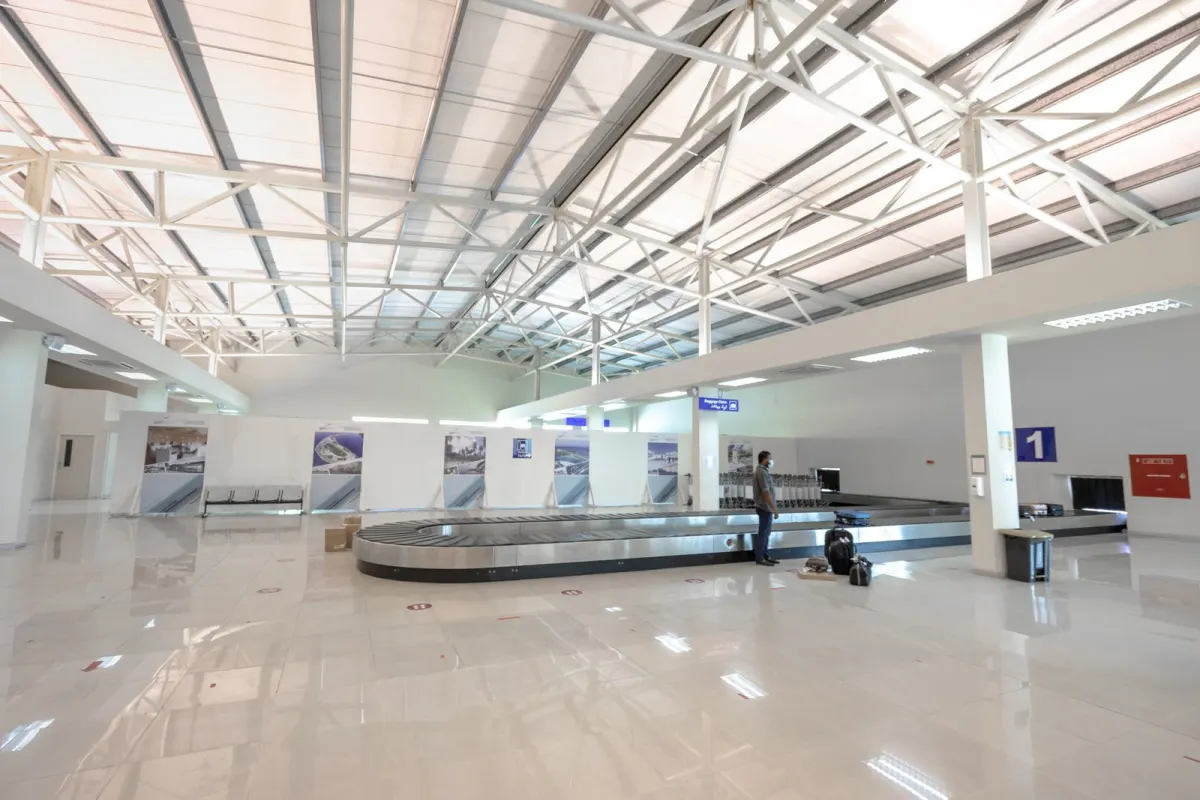
Table of contents
You land in New York after a long holiday trip from Delhi through London. The carousel stops, the crowd thins, and your suitcase never appears. Your winter coat, the gifts and your medication are somewhere between two continents. The agent hands you a form and says the bag should turn up "in a day or two."
That form matters more than it looks. Lost luggage compensation depends on a few deadlines and two sets of rules, and missing one can cost you hundreds of dollars. The limits also changed recently, and many guides still quote the old figure. Here is what airlines owe you, how to claim it, and a worked example of a delayed bag on a real holiday route.
How often bags go missing, and why
The odds are better than they used to be. SITA, the aviation technology company that tracks baggage handling worldwide, reported that the mishandling rate fell 23% in its latest annual report. About 24 million bags were mishandled out of roughly 5 billion passengers.
At 4.9 bags per 1,000 passengers, that is about one mishandled bag for every 204 passengers. Most of those bags are late, not gone. In SITA's previous report, delayed bags made up 74% of mishandled baggage. Lost or stolen bags were 8%, and damaged or pilfered bags were 18%.
The biggest single cause is the connection. Transfer bags made up 39% of mishandling cases, according to SITA. Your bag has to move between planes, often between terminals, in the same window you do. If your first flight is late, you might sprint and make it. Your bag often does not.
That makes connecting trips riskier than nonstop ones. Holiday routes with a change of plane in a busy hub, often between terminals, give your bag the most chances to miss a flight.
Lost luggage compensation: the two sets of rules
Which rules apply depends on where you are flying.
International trips: the Montreal Convention
Most international flights fall under the Montreal Convention, an international treaty that sets how much airlines must pay for bags and how fast you must claim. The UK, the US, India and the EU all apply it.
The limit rose on December 28, 2024. According to an IATA memo on the revision, the cap for destruction, loss, damage or delay to baggage went from 1,288 to 1,519 Special Drawing Rights (SDRs). An SDR is a unit of value set by the International Monetary Fund. IATA's memo valued one SDR at about $1.32 in mid-2024, which puts the new cap at roughly $2,000. Many claim guides still quote the old 1,288 figure, so check the date on anything you read.
The limit is a maximum, not a payout. You still have to prove what you lost or spent, usually with receipts.
US domestic trips: the DOT limit
For flights within the US, Department of Transportation rules say airlines cannot cap liability below $4,700 per passenger for lost, damaged or delayed bags.
The bag fee refund
The DOT also requires airlines to refund the fee you paid to check a bag that is significantly delayed or lost. A bag counts as significantly delayed if it is not delivered within:
- 12 hours of arrival on a domestic trip.
- 15 hours on an international trip where the nonstop flight between the US and the foreign airport is 12 hours or less.
- 30 hours where that nonstop flight is longer than 12 hours.
There is one condition. The airline owes nothing until you file a Mishandled Baggage Report. On a trip with several airlines, you file it with the carrier that flew your last leg.
The deadlines that decide your claim
Under the Montreal Convention, the clock starts when you get your bag back, and the deadlines are strict.
- Damaged bag: a written complaint within 7 days of receiving it.
- Delayed bag: a written claim within 21 days of the bag being made available to you.
- Lost bag: the bag is generally treated as lost once it has not arrived 21 days after it should have, or earlier if the airline admits the loss. Claim as soon as that happens.
These timings match the guidance published by the French government's public service portal and by Citizens Advice in the UK. The airport report starts the process, but it may not count as the written claim the convention requires. Always follow up in writing, by email or the airline's claim form, and keep a copy.
A worked example: a three-day delay on a holiday trip
Take the trip from the opening. You fly Delhi to London to New York, and your bag arrives three days late. The London to New York leg is a nonstop flight of under 12 hours, so the DOT's 15-hour rule applies.
Here is what you can claim:
- The bag fee. You paid $100 to check a second bag. It arrived 72 hours late, well past the 15-hour line, and you filed a Mishandled Baggage Report at the airport. The airline must refund the $100.
- Reasonable essentials. You bought a coat, toiletries and two days of clothes for $280, and kept every receipt. You submit them in writing within 21 days of getting your bag back. That sits far below the roughly $2,000 Montreal cap.
- Your total claim: $100 + $280 = $380.
Now change one detail: the bag never arrives. After 21 days it is treated as lost, and the contents were worth $3,000. Under the Montreal Convention, the airline's liability stops at 1,519 SDRs, about $2,000. You would be about $1,000 short, unless you declared a higher value at check-in and paid any fee, or have travel insurance to cover the gap.
If you are converting a claim between rupees, pounds and dollars, our currency converter makes it quick to check the numbers.
How to protect yourself before you fly
The best claim is the one you never need to make. A few habits cut the risk and the hassle:
- Pack medication, one change of clothes and chargers in your carry-on. A delayed bag is an inconvenience. A delayed bag with your medicine in it is a crisis.
- Photograph your packed bag and its contents. It makes proving value much easier.
- Leave longer connections on international trips, since transfers cause the most mishandled bags.
- Use a tracking tag if you want to see where your bag is, so you can point the airline to it.
- Think twice about checking a bag at all. Our guide to checked bag fees and how to pay less covers when carry-on only makes sense.
- Check your insurance. Travel insurance and some credit cards cover delayed or lost bags above the airline's limit. Our breakdown of when holiday travel insurance pays explains what to look for.
Frequently Asked Questions
How much compensation do you get for lost luggage?
On international trips under the Montreal Convention, up to 1,519 Special Drawing Rights, roughly $2,000, based on what you can prove you lost. On US domestic flights, airlines cannot cap liability below $4,700 per passenger. Payouts are usually based on receipts and the value of the items.
How long before lost luggage is considered lost?
Under the Montreal Convention, a bag is generally treated as lost if it has not arrived 21 days after it should have, or sooner if the airline admits it is lost. Until then, it counts as delayed.
Do airlines refund baggage fees for delayed bags?
Yes, in the US. DOT rules require a refund of the checked bag fee if your bag is more than 12 hours late on a domestic trip, or 15 to 30 hours late on an international one, as long as you file a Mishandled Baggage Report.
How long do I have to claim for delayed baggage?
Under the Montreal Convention, you must send a written claim within 21 days of receiving the delayed bag. For damage, the limit is 7 days. A report at the airport may not count, so always follow up in writing.
File the form, then file the claim
Lost luggage compensation is not automatic. The airport report starts the clock, and the written claim gets you paid. Keep every receipt, note the hours your bag was late, and use the current 1,519 SDR limit when you work out what you are owed. Pack the things you cannot live without in your carry-on, and a missing suitcase becomes a story rather than a ruined holiday.
Written by
Priya Raman
Health & Living
Covers health, wellness, and everyday living for Quick Trend Insights, with an interest in separating what the research supports from what the marketing claims.
Related Articles
View all
Dynamic Currency Conversion: Always Pay Local Abroad
Dynamic currency conversion adds 2.6% to 12% when you pay in your home currency abroad. A worked €200 example, where the offer hides and how to say no.

Aircraft Deicing Delays: Why Your Winter Flight Waits
Deicing delays follow a federal rule, a truck queue and a fluid with a time limit. How long deicing takes, why planes get sprayed twice and your refund rights.
UK ETA for Holiday Trips: Cost, Timing and Scams
A UK ETA now costs £20 per traveller, kids included, and airlines check it at boarding. What a family pays, when to apply, the transit rule and fake sites.