
Solar Eclipse Travel: Spain vs Egypt for Totality
Solar eclipse travel for August 2 is booming. Compare Spain and Egypt on totality length, weather, heat and hotel prices before the last rooms on the path go.
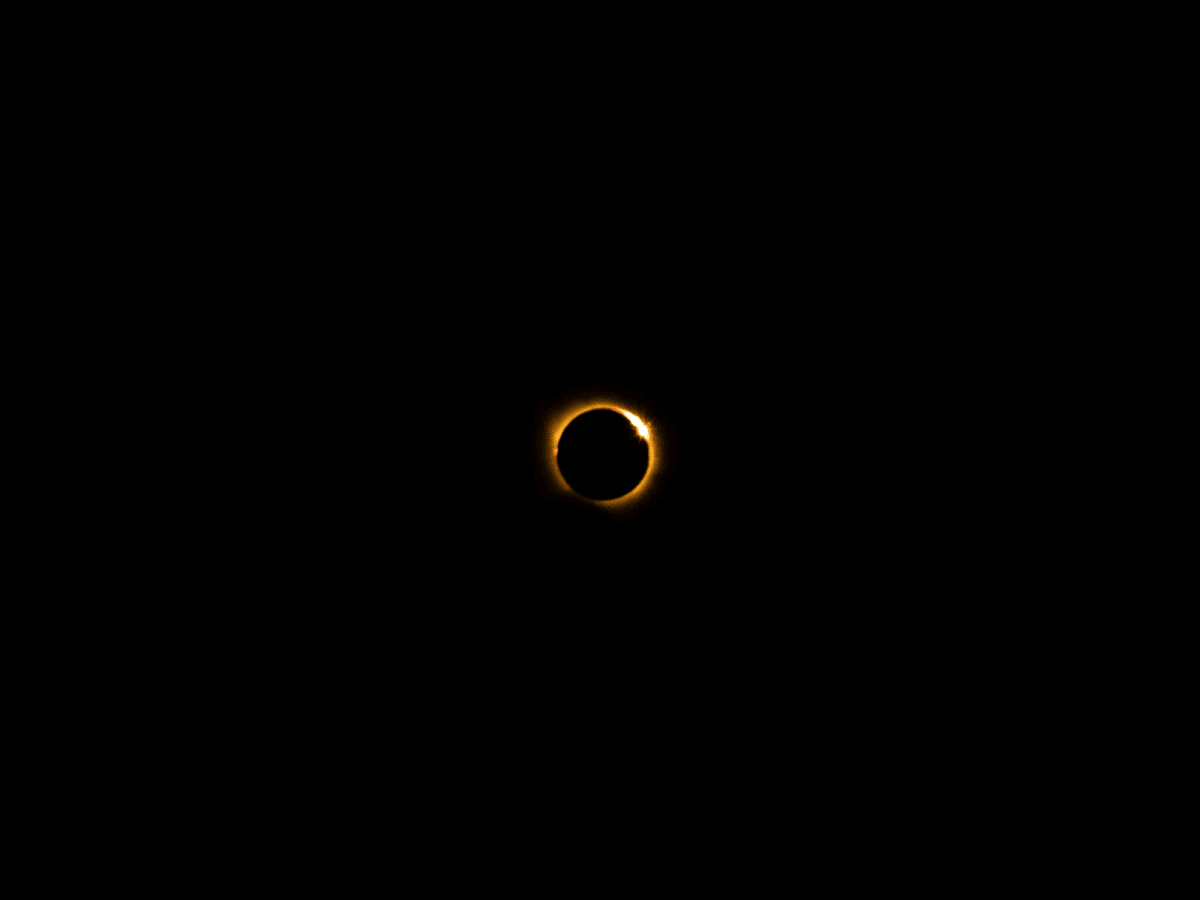
Table of contents
Maybe you stood on a Spanish hillside on August 12 and got about a minute of darkness before the sun set. Maybe you watched the photos and wished you had gone. Either way, you have a second chance, and it is a far bigger one. Solar eclipse travel is already booming for August 2, 2027, when the moon's shadow crosses southern Spain, North Africa and Egypt with up to 6 minutes and 23 seconds of totality.
The rooms are going fast. More than 90% of Luxor listings on Booking.com for the eclipse dates were already gone by the summer, CNN reported. This guide compares the two main choices, Spain and Egypt, on totality, weather, heat and cost, so you can decide while there is still something left to book.
Why Solar Eclipse Travel Is Selling Out a Year Early
Most total eclipses give you two or three minutes. This one gives you more than six at its best spot, which is why astronomers call it the eclipse of the century. Space.com notes that no eclipse visible from land will run longer until 2114.
The path is also unusually easy to reach. NASA lists totality across southern Spain, Morocco, Algeria, Tunisia, Libya, Egypt, Saudi Arabia and Yemen. Timeanddate.com estimates that about 89 million people live inside that path, and around 4.6 billion will see at least a partial eclipse.
Tour operators moved first. Egypt's Ahram Online reported in October that operators in at least 10 overseas markets had limited or sold-out eclipse departures, and at least one sold-out Nile cruise is running a waitlist. The packages are gone or going, but independent travelers still have options if they act this winter.
How Long Totality Lasts Where You Stand
Totality is the only part that matters. A 99% partial eclipse looks like a dim afternoon. At 100%, the sky goes dark, stars appear and the sun's corona shows up as a white halo. So the first question is not "where is nice?" but "how many seconds do I get?"
Here are the figures for the main spots, from timeanddate.com and The Points Guy:
- Málaga, Spain: 1 minute 57 seconds, with maximum eclipse at 10:49 local time.
- Cádiz, Spain: 2 minutes 56 seconds, with maximum at 10:46 local time.
- Gibraltar: 4 minutes 32 seconds, with the eclipse starting around 9:45 a.m.
- Northern Morocco: almost 5 minutes. The rest of the country sees only a partial eclipse.
- Oran, Algeria and Sfax, Tunisia: more than 5 minutes each.
- Luxor, Egypt: 6 minutes 22 seconds, with maximum at 13:05 local time.
Notice the jump between Málaga and Gibraltar. They are only about 100 kilometers apart as the crow flies, yet one gets more than twice the darkness of the other. Moving a short drive toward the center line can double your totality. Granada, home of the Alhambra, sits outside the path entirely.
Spain runs on Central European Summer Time and Egypt on Eastern European Summer Time, an hour apart. If you are coordinating with friends flying in from New York or Mumbai, our time zone converter turns those local times into your own.
What Spain's August 12 Eclipse Taught Travelers
Spain just ran a full rehearsal. The August 12 eclipse was the country's first total eclipse in over a century, and the Associated Press reported that millions crowded into cloudless towns to watch it. Authorities had expected at least half a million extra visitors.
Three lessons carry straight over to next August:
- Eclipse glasses ran out. AP reported that glasses sold out at many Spanish pharmacies before the day. Buy yours months ahead.
- Heat was the real hazard. Temperatures topped 35°C (95°F) in many viewing areas. Next time, totality falls in mid-morning in Spain but near midday in Egypt.
- Crowds were managed, not avoided. Spain set up about 350 official viewing sites and deployed more than 33,500 police officers. Expect road closures and long exits from the best spots.
The August 12 path also showed what scarce rooms do to prices. In Reykjavik, under cloud and rain, hotel rooms averaged more than $1,000 for eclipse night, roughly double the prior year's rate, AP reported. A clear sky is never guaranteed, but a high bill is.
Spain vs Egypt: The Real Tradeoffs
Choosing between them means you are trading seconds of totality against comfort, cost and risk. Neither is the obvious winner for everyone.
Choose Egypt if totality length is everything
Luxor gets the full six-plus minutes, often with ancient temples in view. Space.com describes the chance of cloud in Egypt and Libya as near zero. The costs are real, though. The Points Guy warns that temperatures can pass 100°F, so you will need shade, water and sun protection for hours. It also notes ongoing regional unrest, so check the US State Department advisory level and enroll in its Smart Traveler program before you book.
Choose Spain if you want an easier trip
Southern Spain gives you roughly 2 to 4.5 minutes depending on where you stand. Totality arrives in the mid-morning, before the worst of the heat. You also get far more hotel stock along the Costa del Sol and around Cádiz, plus easy rail and road links. If you want the longest totality on the Spanish side, head south toward Gibraltar, where it runs past four and a half minutes.
Morocco and Tunisia sit in the middle
Northern Morocco offers nearly five minutes, and Tangier is a short ferry ride from southern Spain. That makes a split trip possible: stay on the Spanish coast, then cross for the eclipse if forecasts favor Africa that week.
Worked Example: Pricing Six Minutes of Darkness
Put real numbers on it. Say two people book three nights in Luxor at the rate CNN reported for many remaining rooms, £2,000 a night.
- Luxor hotel: 3 nights × £2,000 = £6,000, about $8,000.
- Totality: 6 minutes 22 seconds, or 382 seconds.
- Cost per second of darkness: £6,000 ÷ 382 = about £15.70 a second.
Now compare a Cádiz stay. Suppose you find a room at €400 a night, a figure we are assuming for illustration because Spanish eclipse rates are not yet widely published. Three nights cost €1,200 for 176 seconds of totality, or about €6.80 a second. Spain gives you fewer seconds, but each one costs less than half as much.
Points can change that math. The Points Guy lists sample summer redemptions of about 40,000 Hilton Honors points a night at the Hilton Luxor and about 20,000 World of Hyatt points a night at La Zambra in Spain, though eclipse dates may price higher. If you have been sitting on a balance, read our guide to why airline miles are quietly losing value first. An eclipse trip is exactly the kind of fixed-date redemption where points can beat cash.
Booking Steps That Still Work Now
- Pick your minimum totality first. Decide whether two minutes is enough or whether you want five-plus. That choice rules countries in or out.
- Book a refundable room today. Free-cancellation rates let you hold a spot while you compare. Cancel the backup later.
- Look one town over. Hurghada and other Red Sea resorts already sell day trips to Luxor for eclipse day. In Spain, inland towns inside the path cost less than beachfront Cádiz.
- Set a fare alert. Many airlines only sell seats about a year out, so not every late-summer flight is on sale yet. Alerts catch the new inventory as it opens.
- Buy certified glasses early. NASA advises glasses that meet the ISO 12312-2 standard for every partial phase. Take them off only during totality.
- Read the insurance fine print. Standard policies do not pay out because clouds blocked the view. Our guide to when travel insurance pays and when it won't explains what "cancel for any reason" cover really buys.
Frequently Asked Questions
Where is the best place to see the August 2 solar eclipse?
For the longest totality, Luxor in Egypt gets about 6 minutes 22 seconds, with near-zero cloud odds. For an easier, cheaper trip, Gibraltar offers 4 minutes 32 seconds and southern Spain 2 to 3 minutes.
How long will the eclipse last in Spain?
It depends on the spot. Timeanddate.com puts totality at 2 minutes 56 seconds in Cádiz and 1 minute 57 seconds in Málaga. Gibraltar, at the southern tip, gets 4 minutes 32 seconds.
Is it too late to book an eclipse trip to Egypt?
Not entirely, but most packages and many Luxor hotels are sold out or priced above £2,000 a night. Look at Red Sea resorts with day trips, waitlists on Nile cruises, and refundable rooms that may reopen.
Do I need special glasses to watch a total solar eclipse?
Yes, for every partial phase before and after totality. NASA recommends eclipse glasses that meet the ISO 12312-2 standard. You can remove them only during the brief total phase.
When is the next total solar eclipse after August 2?
According to timeanddate.com, the next total solar eclipse anywhere on Earth falls on July 22 the following year. That one does not cross Europe or North Africa, which is part of why demand for August 2 is so high.
Decide on Seconds, Then Book This Winter
Solar eclipse travel rewards people who decide early. Pick your minimum totality, then pick the country that delivers it at a price you can live with. Egypt wins on length and clear skies. Spain wins on comfort, cost and choice.
Either way, the shadow will not wait. Hold a refundable room now, buy glasses before the shops run dry, and give yourself the best possible shot at those few minutes of midday night.
Written by
Priya Raman
Health & Living
Covers health, wellness, and everyday living for Quick Trend Insights, with an interest in separating what the research supports from what the marketing claims.
Related Articles
View all
India Visa Overhaul: What Changes for Your Trip
India visa rules just changed: fewer categories, a new Visitor Visa and forms with up to 70% fewer fields. See what it means for your trip and which visa saves.
AI Booking Agents: What United's Ban Means for You
United now bans AI booking agents from buying or changing its tickets. See what the rule covers, what AI can still do, and how to keep your holiday trip safe.
ETIAS Scams: Don't Pay for a Permit That Isn't Live
ETIAS scams are charging travelers for a Europe permit that is not live yet. See the real €20 fee, the red flags of copycat sites, and what to do if you paid.