
AI Booking Agents: What United's Ban Means for You
United now bans AI booking agents from buying or changing its tickets. See what the rule covers, what AI can still do, and how to keep your holiday trip safe.
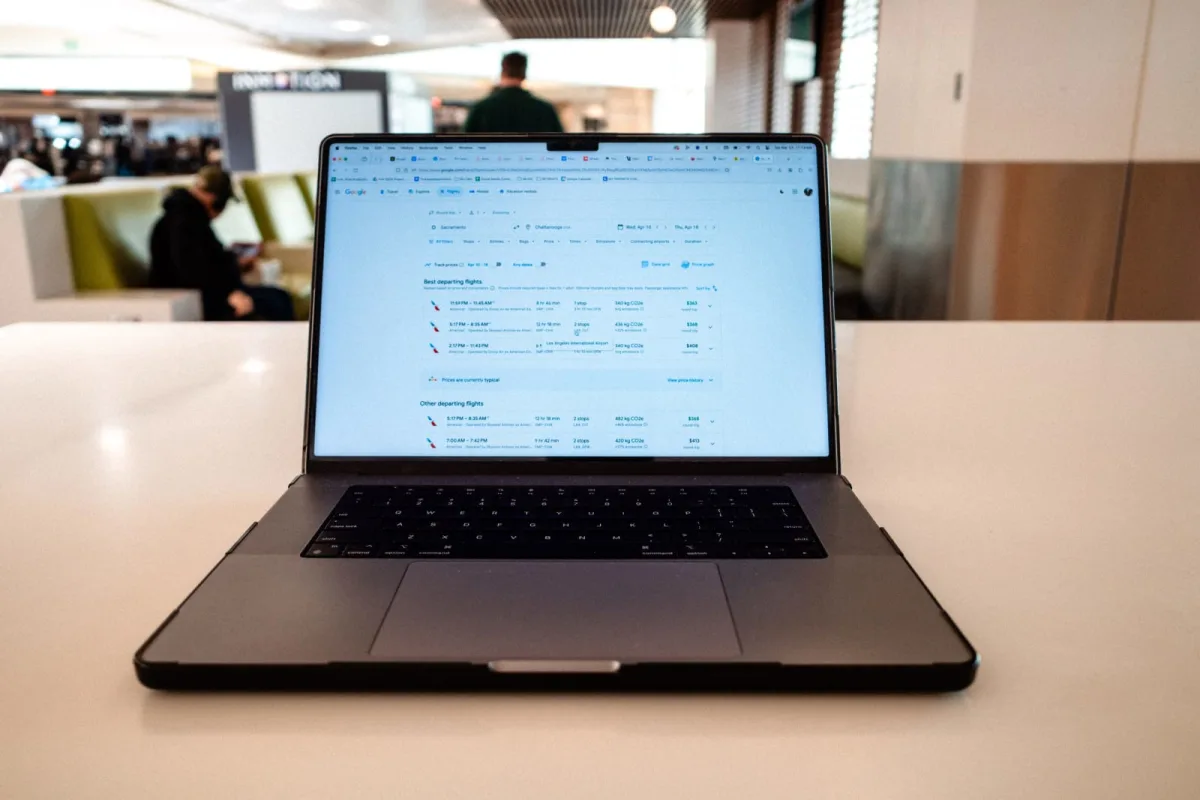
Table of contents
You ask your AI assistant to find the cheapest Chicago to Denver flight for Christmas week. It comes back with a $289 United fare, asks if you want it, and you type "yes, book it." Five minutes later you have a confirmation email and a trip you never had to click through.
That booking now breaks United's rules. On November 11, United revised its contract of carriage to ban AI booking agents from making, changing or servicing tickets, even when you approve every step. The airline also gave itself the right to cancel those reservations. If you have started letting an assistant handle travel, here is what the rule says, what AI can still do for you, and how to keep a holiday ticket from disappearing.
What United's AI Booking Agents Ban Actually Says
The change sits in the part of the contract every passenger agrees to when buying a ticket. According to Gary Leff at View from the Wing, who reported the revision the day it went live, Rule 6.J.6 adds a new item to United's list of prohibited ticketing practices: "The use of AI Agents to make, modify or service a Ticket, and/or to purchase any service or product."
That last clause matters. It covers more than the fare. Seats, upgrades, bags and other add-ons bought by an agent fall under the same ban.
A second provision, Rule 5.H, lets United cancel reservations that were made, changed or serviced by an AI agent. Live and Let's Fly, which reported the change separately, said the restriction covers autonomous and semi-autonomous assistants, including ones whose actions a traveler supervises or approves.
Who it reaches
The rule is not limited to United's own website and app. Both outlets reported that it applies to assistants that reach United through a travel agency, an online booking site or any other intermediary. In other words, routing the purchase through a third party does not make it compliant.
- Covered: an assistant that books, changes or cancels a United ticket, or buys a seat, bag or upgrade.
- Covered: the same action taken with your step-by-step approval.
- Not covered: an assistant that only searches, compares and shows you fares.
What AI Can Still Do for Your Trip
None of this stops you from using artificial intelligence to plan. The Wall Street Journal, as cited by View from the Wing, reported that agents can still display United flights and prices. Research followed by a purchase you make yourself does not violate the rule.
That leaves a lot of useful work on the table:
- Search and compare. Ask an assistant to line up nonstop options, connection times and fare classes across several airlines.
- Watch prices. Fare alerts are untouched. The assistant can tell you a fare dropped; it just cannot act on the drop at United.
- Check the rules. Have it summarize baggage allowances, change policies or what a basic economy fare excludes before you buy.
- Draft the plan. Build the itinerary, then open the airline site and complete checkout in a few minutes.
The line is simple. The assistant can recommend; you have to press buy.
Why United Drew the Line Here
United's public reasons, per Live and Let's Fly, are privacy, safety and regulatory concerns. The airline warned that handing an agent your account login could expose personal data or trigger purchases and changes you never meant to make.
There is a real regulation behind the safety argument. Federal hazardous materials rules require every airline to show passengers the list of items banned from aircraft at ticket purchase and again at check-in. Under that rule, when a passenger buys a ticket or checks in without another person involved, the passenger must acknowledge that they saw the information. An AI agent clicking "I agree" is a murky fit for a rule written around a human doing the acknowledging.
The business reason
Leff argues the bigger motive is control over sales. He reported that United CEO Scott Kirby, speaking at an event in Chicago, said: "To be honest, I don't want to create another middleman." Airlines spent years pushing customers away from online travel agencies and toward their own sites, where they avoid commissions and can sell seats and upgrades directly. An AI agent that books across every carrier is a new middleman in the same spot.
Agent bookings are still rare, which makes this the cheapest moment for an airline to set the terms. Once millions of travelers rely on them, a ban would be far harder to impose.
The Real Risk: A Cancelled Holiday Ticket
Enforcement is the open question. United says its systems can identify where a booking came from, but a reservation sold through a booking site may show only that site as the seller, not whether software made the purchase. You may never hear about it. The risk is that you do, at the worst possible time.
Here is a worked illustration with round numbers.
- On December 1, an assistant books you a $289 one-way fare for December 20.
- On December 15, United flags the booking and cancels it under Rule 5.H.
- Five days before a peak travel date, the same seat now sells for $540.
- Your extra cost: $251, before any bag or seat fees, and only if a seat is left at all.
Fare drops show the cost from the other side. Say you hold an $800 ticket and the price falls to $650. Where your fare rules allow a free change, rebooking yields a $150 credit. An assistant can spot that drop, but at United you have to make the change yourself or risk the whole booking. For more on when holiday fares move, see our guide to the holiday airfare booking window that saves most.
How to Use AI Booking Agents Without Losing a Ticket
You do not need to give up the tools. You need a workflow that keeps the purchase in your hands.
- Let the assistant research only. Ask for options, prices and fare rules, not a purchase.
- Book on the airline's own site or app. It takes a few minutes and leaves no doubt about who bought the ticket.
- Book a week or more ahead. Federal rules require airlines to let you hold a fare or cancel without penalty for at least 24 hours when you book one week or more before departure. That is your free undo button.
- Never hand over your login. Sharing loyalty account credentials with an agent is exactly the scenario United warned about.
- Screenshot the confirmation. If a booking is ever questioned, a record of you completing checkout helps.
If something does go wrong mid-trip, the rules that protect you are the same ones that apply to any disruption. Our breakdown of what airlines owe you after a ground stop covers refunds and rebooking.
Will Other Airlines Follow United?
As of mid-November, coverage of United's change did not report a matching rule at Delta, American or other large US carriers. That can change with a single contract revision, and airlines rarely announce these edits loudly. Before letting any assistant buy a ticket, search the airline's contract of carriage for the words "AI" or "agent."
There is also the accountability problem. When software books the wrong date or cancels a return flight, someone has to fix it, and the airline, the booking site and the AI company each have reasons to point elsewhere. We looked at that gap in detail in who is responsible when your AI agent makes a mistake.
Frequently Asked Questions
Can ChatGPT book a United flight for me?
Not under United's current contract of carriage. Since the November 11 revision, using an AI agent to make, change or service a United ticket is a prohibited practice, and United can cancel the reservation. The assistant can still find and show you the flight.
Will United cancel my ticket if I used AI to search for it?
No. Reporting on the rule says research is allowed. The ban covers the agent completing the purchase or changing the booking. If you searched with AI and bought the ticket yourself, you followed the rule.
Does United's AI agent ban apply to bookings through travel sites?
Yes. The rule reaches agents that access United through a travel agency or other intermediary. Buying through a booking site does not exempt an AI-made purchase.
Can I still get fare alerts for United flights?
Yes. Price tracking and alerts are not affected. What changed is that an assistant cannot act on the alert at United. You need to rebook or buy yourself.
The Bottom Line on AI Booking Agents
United has set an early marker: AI booking agents can shop for you, but they cannot buy. The rule is written broadly, covers supervised agents and third-party sites, and carries the sharpest penalty an airline has, a cancelled reservation.
For this holiday season, the safe habit is simple. Use the assistant for the hard part, comparing dozens of options, then spend three minutes booking yourself. Keep the 24-hour window in reserve, and check each airline's contract before you let software spend your money.
Written by
Priya Raman
Health & Living
Covers health, wellness, and everyday living for Quick Trend Insights, with an interest in separating what the research supports from what the marketing claims.
Related Articles
View all
India Visa Overhaul: What Changes for Your Trip
India visa rules just changed: fewer categories, a new Visitor Visa and forms with up to 70% fewer fields. See what it means for your trip and which visa saves.

Solar Eclipse Travel: Spain vs Egypt for Totality
Solar eclipse travel for August 2 is booming. Compare Spain and Egypt on totality length, weather, heat and hotel prices before the last rooms on the path go.
ETIAS Scams: Don't Pay for a Permit That Isn't Live
ETIAS scams are charging travelers for a Europe permit that is not live yet. See the real €20 fee, the red flags of copycat sites, and what to do if you paid.