
EU261 Compensation: What the New Rules Change for You
EU261 compensation pays up to €600 for a 3-hour delay. Which flights count, a worked family example, and what the reform approved in July changes next year.
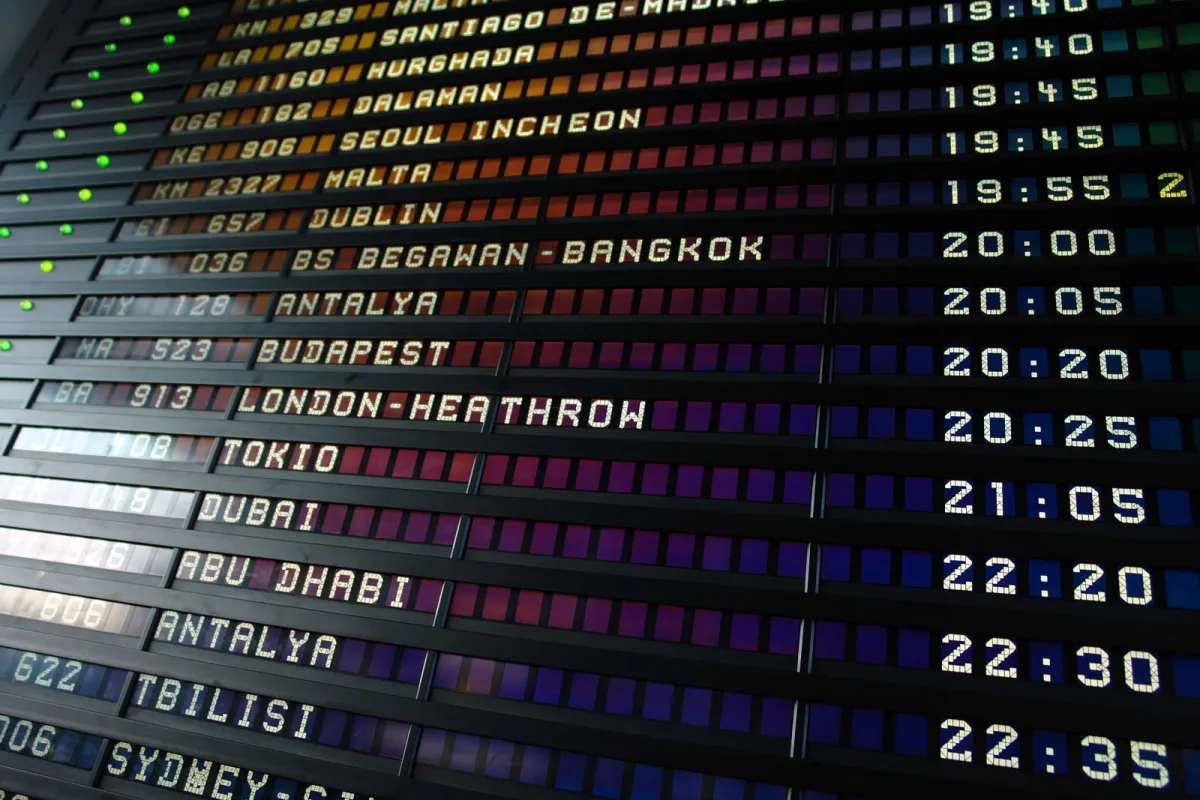
Table of contents
Your family of four lands at JFK from Paris five hours late. You missed dinner, the kids are wrecked, and the airline hands you a meal voucher you never got to use. Under European law, that flight may owe you €2,400 in cash. Most people never claim it. EU261 compensation is one of the most generous passenger rights anywhere, and the rules behind it were just rewritten for the first time in more than 20 years.
The European Parliament approved the reform on July 7 by 646 votes to 12, and the Council signed off on July 13, according to Euronews. The European Commission says the new rules apply 12 months after publication, which puts them around mid-2027. Until then, the current regulation stays in force. This guide covers what you can claim today, which flights count, and what changes next year.
How EU261 Compensation Works Today
Regulation 261/2004 gives you three kinds of protection. Care means food, drinks, phone calls and a hotel while you wait. Rerouting or refund applies when a flight is cancelled. Compensation is the fixed cash payment, and it is the one people miss.
The cash amount depends only on distance, not on what you paid. A €40 budget fare and a €4,000 business seat on the same route earn the same payout.
- €250 for flights up to 1,500 km
- €400 for flights between 1,500 and 3,500 km, and for longer flights within the EU
- €600 for flights over 3,500 km between an EU and a non-EU airport
For delays, what counts is your arrival at the final destination on your booking. If you arrive 3 hours or more late, you qualify. On the longest flights, the airline may cut the €600 in half to €300 when you land between 3 and 4 hours late. Cancellations made less than 14 days before departure also qualify, unless the airline offers a close-enough replacement flight.
Which Flights Count (the Part Americans Get Wrong)
Coverage turns on two questions: where the flight departs, and where the airline is based. The Commission's summary of the scope is short. All flights departing the EU are covered. Flights arriving in the EU are covered only when operated by an EU carrier.
- Paris to New York on Delta: covered, because it departs the EU
- New York to Paris on Delta: not covered, because Delta is not an EU airline
- New York to Paris on Air France: covered, because Air France is an EU airline
- Delhi to Frankfurt on Lufthansa: covered, for the same reason
The UK runs its own copy of the rules since Brexit, often called UK261. The UK Civil Aviation Authority lists £220 for flights under 1,500 km, £350 for 1,500 to 3,500 km, and for longer flights £260 for a 3 to 4 hour delay or £520 beyond 4 hours. A flight from London is covered by the UK version. A flight from Madrid to London on a Spanish airline falls under the EU one.
A Worked Example: One Delay, Three Outcomes
Take that family of four on an Air France flight from Paris to New York, about 5,800 km. Here is how the arrival time changes the payout.
- Lands 2 hours 50 minutes late. Under the 3-hour line. Nothing, even though the delay felt long.
- Lands 3 hours 30 minutes late. The airline may apply the half rate. 4 passengers x €300 = €1,200.
- Lands 5 hours late. Full rate. 4 passengers x €600 = €2,400.
Run the euro amount through a currency converter to see what lands in a US or Indian bank account. Then compare it with the fare. On a cheap off-season ticket, the payout can exceed what you paid for the flight.
Ten minutes on the arrival clock moved this family from zero to €1,200. So note the time the aircraft door opens, not when the wheels touch down. European courts have treated door opening as the moment you actually arrive.
When the Airline Can Say No
Airlines owe no cash for extraordinary circumstances, events outside their control that could not have been avoided with reasonable measures. Severe weather, air traffic control restrictions, security threats and strikes by people outside the airline are the usual examples.
Ordinary technical faults are not extraordinary. The reformed rules spell this out: technical defects affecting flight safety do not count, according to Euronews' summary of the final text. Late incoming aircraft, crew shortages and the airline's own staff strikes are also usually on the airline's side of the line.
Your rights to care and rerouting survive even when compensation does not. A snowstorm in Munich may cancel your cash claim, but the airline still owes you meals and a hotel while you wait. Keep receipts. The same logic runs through US rules on what airlines owe after an FAA ground stop, though the US offers no fixed cash payout.
What the New Rules Change From Mid-2027
The headline protection survives intact. The final deal keeps the 3-hour threshold and the same €250, €400 and €600 amounts, which Parliament had insisted on in its January position. Here is what does change, based on the Commission's announcement and Euronews' account of the text.
- Faster information. Airlines must tell you how to claim within 96 hours of a disruption.
- Standard forms. Airlines must offer an EU-wide form or their own. Pre-filled forms, which MEPs wanted, did not make it.
- Fixed deadlines. You get a 9-month window to claim. The airline then has 30 days to pay, reject with reasons, or invoke extraordinary circumstances.
- Rerouting with teeth. After a cancellation, the airline must find the quickest option, including other airlines, rail or bus, within 3 hours. If it fails, you can claim up to 400% of the ticket price.
- A written list of exceptions. Extraordinary circumstances move to a non-exhaustive list, and airlines must prove and explain any rejection.
- Fewer junk fees. No charges for fixing a name error or printing a boarding pass after online check-in, and children under 14 sit next to an accompanying adult free.
The 9-month window is the change to watch. Today, claim deadlines are set by national law and differ from country to country, and some run for years. Once the reform applies, a claim you sit on for a year will be too late.
How to Claim Without Paying a Middleman
Claim companies advertise heavily, and claim firms keep a share of the payout as their fee. You can do it yourself in about 15 minutes.
- Gather the evidence. Booking confirmation, boarding passes, and a photo of the arrivals board or a screenshot of the flight tracker.
- File on the airline's own claim form. Most EU carriers have a dedicated EU261 page. Name the regulation and the amount.
- Claim care costs separately if the airline asks. Attach itemised receipts for meals, taxis and hotels.
- Escalate if ignored. In the UK, the CAA says to escalate after 8 weeks to an approved dispute body or its own complaints team. In the EU, each country has a national enforcement body.
Lost bags follow a different treaty and a different claim. Our guide to lost luggage compensation covers those limits and deadlines.
Frequently Asked Questions
How much is EU261 compensation for a 3 hour delay?
€250 for flights up to 1,500 km, €400 for 1,500 to 3,500 km, and €600 for longer flights. On flights over 3,500 km, the airline can halve the payout to €300 if you arrive between 3 and 4 hours late.
Does EU261 apply to flights from the US to Europe?
Only when an EU-based airline operates the flight. A Lufthansa or Air France flight from New York qualifies, while the same route on American, Delta or United does not. Every flight leaving the EU is covered.
When do the new EU passenger rights rules start?
The Commission says they apply 12 months after publication in the Official Journal, which Euronews puts at mid-2027. Until then, current EU261 rules apply.
Is weather an extraordinary circumstance under EU261?
Yes, severe weather is the classic example, so airlines usually owe no cash. They still owe meals, hotel and rerouting while you wait.
Write Down the Door-Open Time
EU261 compensation rewards people who keep three things: their booking, their boarding pass, and the exact arrival time. With those, a 15-minute form can return €250 to €600 per traveler, and the reform will make airlines answer faster.
The rules are generous, but they are not automatic. The money goes to the people who ask.
Written by
Priya Raman
Health & Living
Covers health, wellness, and everyday living for Quick Trend Insights, with an interest in separating what the research supports from what the marketing claims.
Related Articles
View all
Flying With Christmas Gifts: What TSA Lets Through
Flying with Christmas gifts? What TSA opens, which food and liquids must be checked, the 5-liter spirits cap, and the power bank math for gadget presents.
Delhi Fog Flight Delays: What Airlines Owe You
Delhi fog flight delays explained: why CAT III lets some planes land, the DGCA meal, hotel and refund rules, and the Rs 10,000 payout fog usually voids.
Credit Card Transfer Partners: When Moving Points Pays
Credit card transfer partners can make a point worth 1 cent or 6. The value formula, Chase's new Qantas and Cathay partners, and five mistakes to avoid.