
Mexico Tourist Fee Rises: What Your Trip Now Costs
The Mexico tourist fee rises 17.8% to 1,158 pesos per person. See what it adds to flights and cruises, and how to avoid Cancún's inflated Visitax charge.
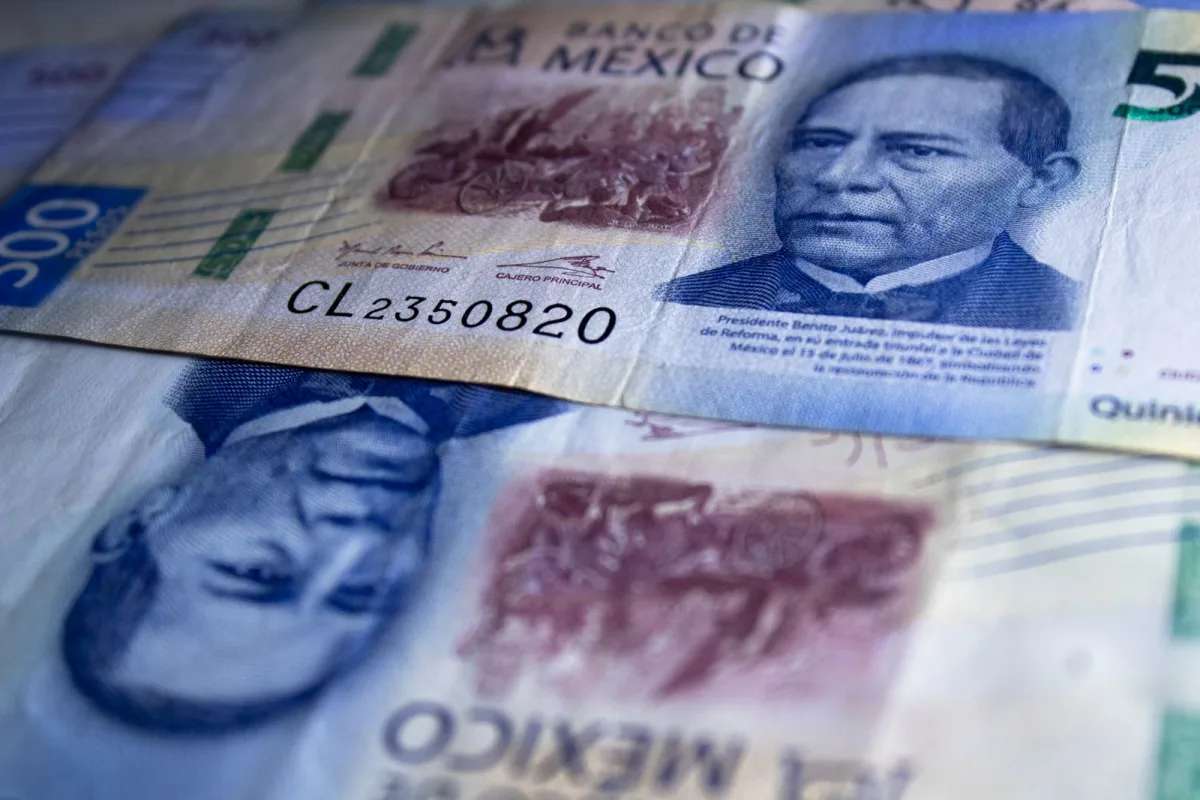
Table of contents
You price out a Cancún trip for four. The flights look fine, the resort looks fine, and you book. What you probably never see is a line buried in the fare breakdown: the Mexico tourist fee, charged once per traveler, every trip.
That fee is about to go up by 17.8%. Mexico's Congress has approved a higher visitor charge for next year, cruise passengers are on a fee schedule that keeps climbing, and travelers in Cancún are reporting state tax collectors asking for nearly double the posted rate. None of it will cancel your vacation. All of it lands on your card.
Here is what each charge costs, how it gets collected, and how to avoid paying more than you owe.
What the Mexico Tourist Fee Is and How Much It Rises
The charge has an official name: the Derecho de No Residente, or DNR. It is a federal fee paid by foreign visitors who enter Mexico without permission to work. Mexican passport holders do not pay it.
Right now the DNR is 983 pesos. Under the 2027 federal fees law, it rises to 1,158 pesos, a jump of 175 pesos or 17.8%. The newspaper Expansión reported that the original proposal was far steeper, a 35% increase to about 1,334 pesos, before the ruling Morena party trimmed it in committee.
The bill then moved fast. Bloomberg Línea reported that the Chamber of Deputies passed it 329 to 117. Publimetro reported that the Senate approved it on October 27 by 79 votes to 34, without changes, and sent it to the executive branch. The higher rate applies next year.
Why the fee keeps climbing
This is not the first increase. Expansión put the DNR at 860.56 pesos only a year earlier, so the fee is on track to rise about 35% over two years.
The money is also not mainly a tourism budget. Expansión and Publimetro both report the revenue is split 57% to the defense ministry, 15% to the National Migration Institute and 28% to the federal treasury.
Travelers who need a Mexican visa face a bigger change. Expansión reports that ordinary visa fees, which had been 648 or 990 pesos, are being standardized at 1,639.80 pesos. For anyone who paid the lower rate, that more than doubles the cost.
How You Actually Pay It: Inside Your Airfare
If you fly into Mexico, you likely never hand anyone this money. Airlines collect the DNR as part of an international ticket, according to Mexico News Daily. It shows up as one more line in the taxes and fees section of your fare.
The resident exemption problem
Foreign residents of Mexico are supposed to be exempt. Yet Mexico News Daily reported that Volaris began accepting only a Mexican passport as automatic proof of exemption in early February. Residents booking with a U.S. passport were charged, and some reported paying roughly $50 to $60 in extra fees.
Passengers told the outlet that migration officials said the resident exemption still exists. The paper also noted that Mexican immigration law does not appear to have changed. Even so, the fixes travelers described were slow and uneven: arguing at the counter, filing complaints with Profeco (Mexico's consumer agency), disputing the charge with a card issuer, or complaining to the U.S. Department of Transportation for flights leaving the United States.
If you hold Mexican residency, check the fare breakdown before you pay. Fixing a wrong charge before ticketing is far easier than chasing a refund after the trip.
Driving in by land
Land crossings work differently, because no airline is collecting on the government's behalf. Travel guides commonly describe a short-stay exemption for visitors who enter by land, but they disagree on the cutoff. Confirm the current rule with Mexico's National Migration Institute before a road trip, and keep the receipt if you pay at the border.
The Worked Example: A Family of Four in Cancún
Here is what the new fees mean in real numbers. Take two parents and two kids, ages 9 and 12, flying to Cancún next year. Airlines charge the DNR per international ticket, so all four tickets carry it.
- DNR at today's rate: 4 x 983 = 3,932 pesos
- DNR at next year's rate: 4 x 1,158 = 4,632 pesos
- Increase from the federal fee alone: 700 pesos
- Quintana Roo Visitax: 2 adults x 285 = 570 pesos (the tax applies to foreign visitors over 15, so the kids are not charged)
- Total government visitor fees: 5,202 pesos
Now add the airport problem described below. If an agent charges each parent 550 pesos for Visitax instead of 285, the family pays 1,100 pesos, not 570. That is 530 pesos lost to an inflated collection, almost as much as the federal increase itself.
What does that come to in dollars? It depends on the exchange rate on your travel dates, so run the totals through our currency converter before you set a budget. As a rough guide, if a 983-peso fee shows up as $50 to $60 on a fare, the same 17.8% increase pushes it to roughly $59 to $71 per person.
The exchange rate cuts both ways. A firm dollar makes peso-priced fees cheaper for American travelers, which we covered in our look at what a strong dollar means for trips. A weaker dollar would make the higher fee bite harder.
Cruise Passengers Face a Separate, Rising Fee
Cruise visitors used to skip the immigration fee entirely. Not anymore.
After talks with the Florida-Caribbean Cruise Association, Mexico settled on a phased per-passenger charge instead of the roughly $42 levy Congress first approved. Fox News laid out the schedule:
- July 1, 2025: $5 per foreign cruise passenger
- August 1, 2026: $10 (the current rate)
- July 1, 2027: $15
- August 1, 2028 through September 30, 2030: $21
Cruise lines or their shipping agents collect it, so it typically appears with the port charges in your booking total rather than as a bill at the pier. Ports covered include Cozumel, Costa Maya, Cabo San Lucas and Puerto Vallarta.
For a couple, the math is simple. Two passengers pay $20 on a sailing today. On a sailing after July 1, they pay $30, and from August 2028 they pay $42. Check your cruise line's fee disclosure to see how it applies to itineraries with several Mexican stops.
Cancún's State Tax and the Airport Overcharge Reports
Federal fees are only one layer. Quintana Roo, the state that includes Cancún, Tulum and Playa del Carmen, charges its own visitor tax called Visitax.
Riviera Maya News and the Diario de Yucatán both report that the state set the rate at 285 pesos per visitor and promised no increase. The Diario de Yucatán says it applies to foreign tourists over 15.
The trouble is in how it gets collected. The Diario de Yucatán reported this month that some tourists at Cancún airport were asked for up to 550 pesos per person, nearly double the posted rate. Staff from the state tax service approached passengers in departure areas with card terminals, and some travelers said they felt intimidated.
Officials have responded, though nothing is settled. Tourism Secretary Bernardo Cueto acknowledged inappropriate behavior by some collectors and said the state finance office would review it. Governor Mara Lezama said she would hold a press conference on the tax's future, and a move to a digital collection system was among the options mentioned.
How to avoid paying the inflated rate
- Know the posted amount before you reach the airport, and pay that figure, not a number someone quotes you.
- Pay through the state's official online portal before you travel or during your stay, so you are not settling it in a departure hall.
- Keep the receipt on your phone. It is your proof if someone asks again.
- Dispute a card charge with your issuer if you were billed more than the posted rate and the agent would not correct it.
Local lodging taxes come on top of all this, the same way resort fees and city taxes stack onto a hotel quote. Our guide to hotel fees that inflate your nightly rate explains how to read that part of the bill.
What to Do Before You Book a Mexico Trip
- Open the fare breakdown. Find the line for Mexico's visitor fee and confirm it is charged once per traveler, not twice.
- Ask about timing. The new rate applies next year, but how airlines handle tickets bought now for travel later is up to the carrier. If the gap matters to you, ask before you pay.
- Residents: carry your residency card and challenge an incorrect DNR charge before ticketing, not after.
- Cruisers: read the port charges line. Sailings after July 1 carry the higher $15 rate.
- Cancún visitors: settle Visitax at the posted rate through official channels and save the proof.
Frequently Asked Questions
How much is the Mexico tourist fee next year?
The federal non-resident fee, the DNR, rises from 983 pesos to 1,158 pesos per person under the 2027 fees law. That is a 175-peso increase, or 17.8%. Your dollar cost depends on the exchange rate when you buy the ticket.
Is the Mexico tourist fee included in my plane ticket?
Usually, yes. Airlines collect the DNR as part of an international ticket, so it appears in the taxes and fees section of your fare rather than as a separate payment on arrival. Check the breakdown to make sure it is there once per traveler.
Do cruise passengers pay the Mexico tourist fee?
Foreign cruise passengers pay a separate per-passenger fee, collected by the cruise line or its agents. It is $10 now, rises to $15 on July 1, and is scheduled to reach $21 from August 2028 through September 2030.
Do I have to pay Visitax when I leave Cancún?
Quintana Roo charges Visitax to foreign tourists over 15, at a posted rate of 285 pesos per person. Some travelers report airport collectors asking for up to 550 pesos, so pay the posted amount through official channels and keep your receipt.
Are foreign residents of Mexico exempt from the DNR?
Residents are supposed to be exempt, but Mexico News Daily reported that Volaris began accepting only a Mexican passport as automatic proof in early February. Residents traveling on another passport should check their fare before paying and raise any wrong charge with the airline right away.
The Bottom Line on Mexico's Higher Visitor Fees
The Mexico tourist fee is going up by 175 pesos per person, cruise fees climb again on July 1, and Cancún's state tax has a collection problem that can cost more than the federal increase. For a family of four, the honest number is a few hundred pesos more per trip, not a reason to cancel.
The money you can actually save is in the details: a fare charged correctly, a resident exemption claimed before ticketing, and a Visitax paid at the posted rate with a receipt in hand. Spend five minutes on those before you book, and the higher fee stays a line item instead of a surprise.
Written by
Priya Raman
Health & Living
Covers health, wellness, and everyday living for Quick Trend Insights, with an interest in separating what the research supports from what the marketing claims.
Related Articles
View all
Japan Tax-Free Shopping Changed: How to Get Your Refund
Japan tax-free shopping now means paying full price and claiming tax back at the airport. Here's what you pay, the kiosk steps, and the fees to ask about first.

FAA Ground Stop Refunds: What Airlines Owe You
Stuck in the FAA ground stop? See which FAA ground stop refunds airlines owe, why hotels rarely apply, and the delay rule that now starts with January flights.
Holiday Travel Insurance: When It Pays and When It Won't
Holiday travel insurance costs 4% to 10% of your trip, but it only pays for listed reasons. See the cost math, CFAR limits, and the gaps that deny claims.